
How to Master the Art of Hotel Management from Classroom to Career
Hotel Management
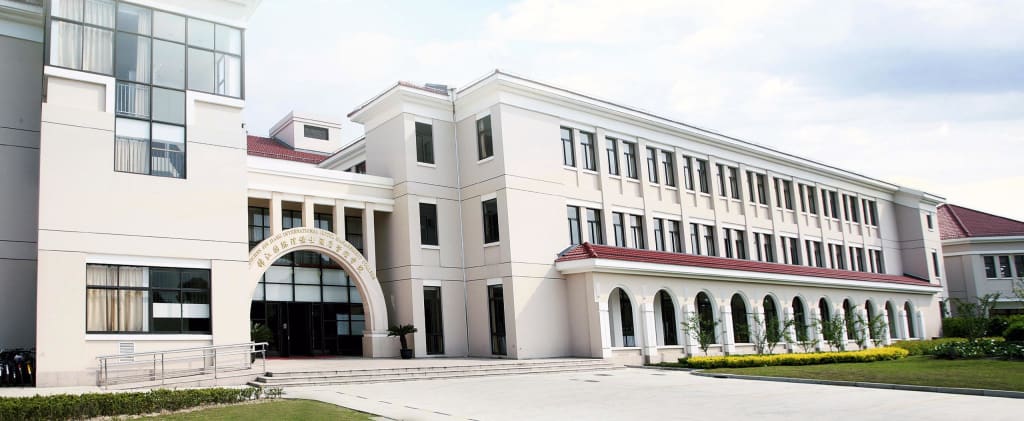
Management of a hotel is one of those rare career paths that is a combination of business, people, as well as creativity. It allows you to build a profession that is both rewarding and ever-evolving, with opportunities to travel and connect with people from all across the world. But learning hotel management takes more than just studying books. It involves the ability to develop practical skills, gain leadership qualities, as well as gather different experiences in real hospitality environments. Whether you dream of managing a luxury resort or running your own boutique property, understanding how to learn hotel management skills effectively is the first step. If you are looking for a guide and structure to start building yourself in this industry, one of the first steps that needs to be taken is joining a well-known hotel management institute.
Understanding What Hotel Management Involves
Before diving into how to learn the skills, it is important to understand what hotel management really means. It is much more than simply running a hotel. It is all about creating amazing experiences for guests, ensuring that the operations run smoothly, leading teams, as well as managing the overall business performance. Hotel management courses cover a broad mix of operational, managerial and service-related subjects. Students learn about aspects like marketing, accounting, human resources, food and beverage operations and customer relationship management. An excellent institute like AIHM focuses on both technical and soft skills.
Learning the Core Skills
Hotel management requires one to have a well-rounded set of skills that is part technical knowledge and part emotional intelligence. Every hotel depends on smooth day-to-day operations, so learning how things run is very important. You’ll be trained to manage the front desk, housekeeping, food and drinks, and even events. Running a hotel also means maintaining a good balance between providing a great service and a smart business. You’ll learn how to handle budgets, set prices, manage costs and increase revenue to keep the hotel profitable. Ensuring that each one of your guests have a great time at the hotel is also one of the most important parts of the job. You’ll learn how to welcome people warmly and deal with any problems calmly and professionally. Managing a team can be both rewarding and challenging, so leadership training will help you guide different kinds of people and stay confident under pressure.
Developing Effective Learning Habits
The next important part when it comes to mastering hotel management is to develop the right habits and the discipline needed to power through it. Always plan your study schedule, set goals and track your progress at every turn. Hospitality courses usually involve some practical projects, so time management is essential. Don’t hesitate to be proactive in class and during internships. Volunteer for projects, ask questions and look for feedback. Technical training is not the only important aspect of these learning sessions. Your ability to connect with people, remain calm under pressure and lead sets you apart. Practise teamwork, clear communication and problem-solving using real-world scenarios. After completing an internship or project, take some time to evaluate what went well and what could have been done better.
Gaining Practical Experience
The best way to learn everything there is to know about hotel management is through gaining adequate experience rather than theory. Practical training lets you see how concepts from the classroom apply in real life. Most institutions require internships as part of their course structure. During placements, students might work in front office operations, food and beverage departments, or even guest relations. This is the perfect chance to observe your seniors at work and learn how every role contributes to the overall success of the hotel.
Career Paths and Opportunities
When you are done with the learning part and you’ve gained hotel management skills, the options you have in terms of career become much greater. Graduates can start as management trainees in hotels, resorts or event companies and progress to leadership roles. Common career paths include front office manager, operations manager, food and beverage director and eventually general manager.
About the Creator
Keep reading
More stories from John Ashley and writers in Education and other communities.
What Untold Histories Lurk Behind the Monuments of Singapore’s Civic District?
The historic heart of Singapore, the Civic District, is the very place where Sir Stamford Raffles first set foot on the island. This part of the city has so much history contained within, which shines through the grand old buildings and monuments. They have seen it all, from Singapore’s early days as a trading post to its time as a British colony and its journey to becoming an independent nation.
By John Ashley2 months ago in Education
How Neuroscience Is Changing the Way We Learn
In recent decades, advances in neuroscience have reshaped our understanding of human learning. Rather than viewing learning as merely memorizing facts, researchers now see it as a biological process that physically and functionally changes the brain. This shift in perspective — from teaching content to understanding how the brain learns — is transforming educational theory, classroom practice, and lifelong learning strategies across the globe.
By Games Mode Onabout 2 hours ago in Education




Comments
There are no comments for this story
Be the first to respond and start the conversation.