
How to Build a Music Production Setup from Scratch
Music Production Setup

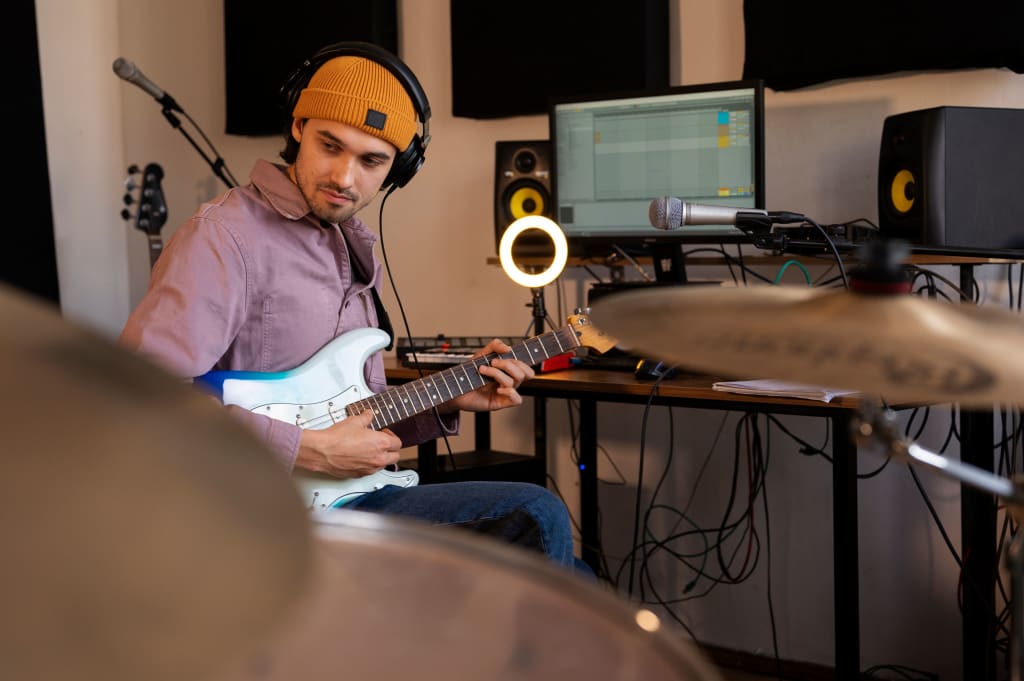
Building a music production setup from scratch is an exciting yet challenging endeavor. Whether you're an aspiring producer or an experienced artist looking to upgrade your studio, having the right tools is essential for creating high-quality music. From choosing the best speakers for music production to understanding the importance of vocal recording equipment, every component plays a crucial role in achieving professional sound quality. This guide will walk you through the process of setting up your production space, with a focus on efficiency, quality, and affordability.
1. Setting Up Your Space
Before diving into equipment, consider the environment where you’ll produce music. A quiet, acoustically treated room is ideal. Here’s what to prioritize:
Soundproofing: To prevent external noise from interfering with your production.
Desk and Ergonomics: Choose a sturdy desk to hold your equipment and ensure it’s comfortable for long sessions.
2. Essential Equipment for Your Studio
a. Speakers for Music Production
High-quality studio monitors are a must-have. Unlike regular speakers, studio monitors provide an accurate representation of your mix without coloring the sound. This allows you to make informed adjustments to your tracks. Check out this detailed guide on choosing the right speakers for music production to elevate your sound clarity.
b. Vocal Recording Equipment
Clear vocals are the backbone of any professional track. Invest in a good microphone, audio interface, and pop filter to ensure the best results. Proper voice recording tools can significantly improve the quality of your music.
c. Song Templates for Workflow Efficiency
Using a song template helps streamline your production process. Templates provide a pre-arranged framework for tracks, saving time and maintaining consistency. This is particularly useful for producers working on multiple projects.
d. Digital Audio Workstations (DAWs)
Choose a DAW that suits your needs. Popular options include Ableton Live, Logic Pro X, and FL Studio. A DAW is the central hub of your music production, so ensure it’s compatible with your workflow.
e. MIDI Controllers and Instruments
A MIDI controller adds versatility to your setup. With this tool, you can easily input notes, control virtual instruments, and enhance your production capabilities.
3. Distribution and Monetization
a. Record Label Distribution
Once your track is ready, the next step is sharing it with the world. Understanding record label distribution is crucial for getting your music onto major platforms like Spotify, Apple Music, and more. Distribution helps artists reach a global audience and gain exposure.
b. How to Make Money Making Music
In today’s digital age, there are numerous ways to earn from your music. Whether it’s through streaming royalties, live performances, or licensing, learning how to make money making music is essential for sustaining your career.
4. Tips for Maximizing Your Setup
Cable Management: Keep your workspace tidy to avoid technical issues.
Regular Maintenance: Clean your equipment to prolong its lifespan.
Continuous Learning: Stay updated on the latest trends in music production.
Conclusion:
Creating a music production setup from scratch requires careful planning and investment. By focusing on essential tools like speakers for music production, vocal recording equipment, and song templates, you can lay the foundation for professional-grade music. Additionally, understanding distribution and monetization ensures your music reaches a wider audience. Start building your dream studio today and turn your creative vision into reality. Share your thoughts in the comments below—what’s the one tool you can’t live without in your studio?
About the Creator
Keep reading
More stories from Deliver My Tune and writers in Education and other communities.
Mastering Services: The Secret Behind Polished Music
In the competitive world of music production, the quality of your sound can make or break your career. Regardless of the genre, mastering is the step that ensures your music stands out—turning raw mixes into polished, professional tracks that captivate listeners. Whether you're an indie artist, a DJ, or an emerging record label owner, understanding the power of mastering services is crucial for success.
By Deliver My Tuneabout a year ago in Education
What causes cavities
When a team of archaeologists recently came across some 15,000-year-old human remains, they made an interesting discovery. The teeth of those ancient humans were riddled with holes. Their cavities were caused by the same thing that still plagues us today: specific tiny microbes that live in our mouths.
By Munesh Yadavabout 3 hours ago in Education
How Business Coaching Helps Founders Scale With Clarity and Control
Business coaching assists founders to scale since hustle and reactivity are substituted with structure, systems and strategic leadership. Strategic coaching provides clarity in the marketing, operations, leadership, and decision-making roles of the business, eliminating the need to use the owner as the bottleneck, instead enabling the business to expand without havoc, burnout, or firefighting.
By Alice Adams4 days ago in Education
Silver Screen Magic with Mae West
American actress and singer Mae West became a popular film actress during the Great Depression. She started entertaining in vaudeville, then performed on Broadway, and finally went to Hollywood. She signed up with Paramount Pictures and made her debut in the 1932 film “Night After Night.” She also starred in musicals, comedies, and crime dramas. The American Film Institute named her one of the best classic Hollywood actresses.
By Rasma Raisters7 days ago in Geeks




Comments
There are no comments for this story
Be the first to respond and start the conversation.