
How Sustainability Is Reshaping the Furniture Industry
The Demand for Sustainable Materials: A Shift Toward Eco-Friendly Choices
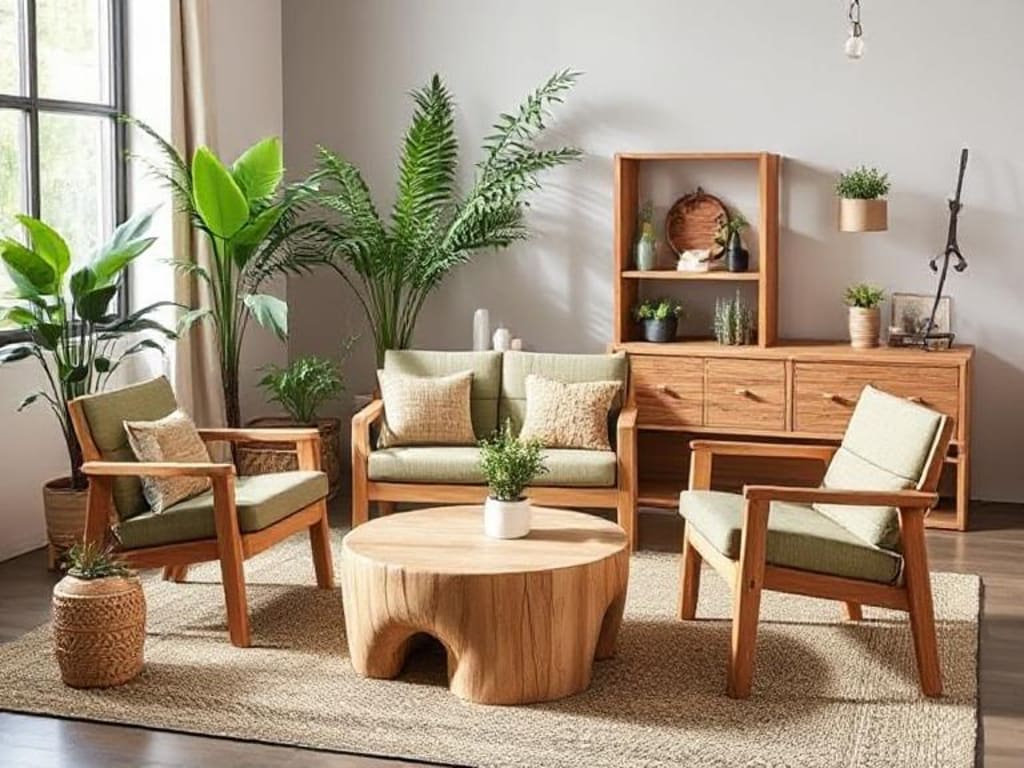
As sustainability becomes an increasingly important priority across industries, the furniture sector is undergoing a significant transformation. Consumers today are more environmentally conscious than ever before, and this growing awareness is influencing purchasing decisions. Shoppers are not just looking for aesthetically pleasing and functional furniture; they also want products that reflect their values of sustainability and ethical production. In response to this shift, furniture manufacturers are adopting new approaches to materials, design, and production processes to meet the demand for eco-friendly options. This movement is reshaping the industry, pushing it toward more sustainable and responsible practices.
One of the most notable changes in the furniture industry is the increasing use of renewable and recycled materials. Traditional materials like plastic, which contribute to environmental degradation, are being replaced by eco-friendly alternatives such as bamboo, reclaimed wood, and recycled metals. Bamboo, in particular, has gained popularity for its rapid growth and minimal environmental impact during production. Reclaimed wood, salvaged from old buildings or furniture, is another sustainable option that gives new life to old materials while reducing waste.
The move toward these materials helps reduce the environmental footprint of furniture production, allowing manufacturers to offer more sustainable products. Furthermore, non-toxic finishes and paints are being used to ensure that the furniture is not only safer for the environment but also for consumers. These materials eliminate the release of harmful chemicals like formaldehyde, which is commonly found in traditional furniture finishes. By adopting such sustainable materials, the industry is not only helping to preserve natural resources but also promoting healthier living spaces for consumers.
Circular Design: Creating a Sustainable Life Cycle for Furniture
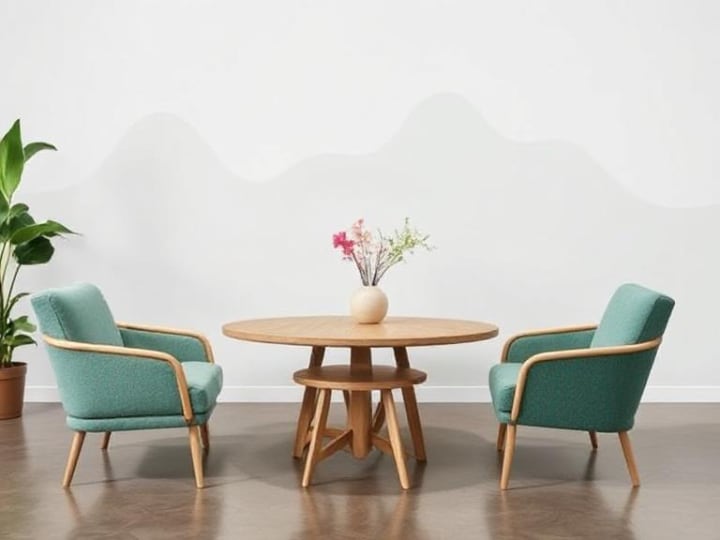
Another essential aspect of sustainability in the furniture industry is the adoption of circular design principles. This approach aims to minimize waste and maximize the longevity of products by making them easier to disassemble, repair, and recycle. Furniture that is designed with a circular life cycle in mind can be repaired or repurposed at the end of its life, which helps to significantly reduce landfill waste.
Circular design also focuses on modularity, where pieces can be easily updated or reconfigured. For example, a modular sofa with interchangeable parts allows consumers to replace worn-out sections instead of discarding the entire piece. Similarly, some companies are incorporating designs that allow furniture to be disassembled, with each part being either recycled or reused. This approach extends the product’s lifespan, ensuring that valuable materials are kept in use for longer periods and minimizing the need for new resources.
Durability and Longevity: Investing in Quality for the Long Term
Sustainability in furniture is not just about using eco-friendly materials but also about focusing on the durability and longevity of products. Furniture that is built to last is inherently more sustainable because it reduces the need for frequent replacements. As more consumers become aware of the environmental impact of fast furniture, they are seeking out high-quality, well-crafted pieces that can stand the test of time.
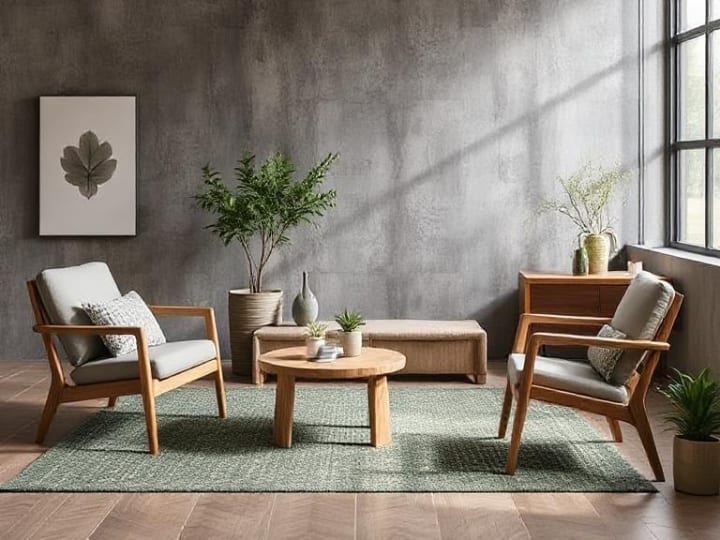
Investing in durable furniture not only helps to reduce waste but also offers long-term value to consumers. High-quality pieces often come with warranties, ensuring that they will endure everyday wear and tear. As a result, consumers are shifting their focus from disposable, cheap furniture to more thoughtful purchases that align with their sustainable values. This shift toward durability is not only better for the environment but also promotes a more responsible consumption model, where people invest in products that are built to last rather than constantly replacing items.
The Future of Sustainable Furniture: A Greener, More Responsible Industry
In conclusion, sustainability is no longer just a passing trend within the furniture industry—it's becoming a fundamental aspect of the way companies design, produce, and market their products. As consumer awareness of environmental issues continues to grow, the demand for sustainable furniture options will likely keep increasing. Manufacturers are responding by incorporating eco-friendly materials, adopting circular design principles, and prioritizing the longevity and durability of their products. These shifts not only benefit the planet but also provide consumers with high-quality, long-lasting furniture that aligns with their values.
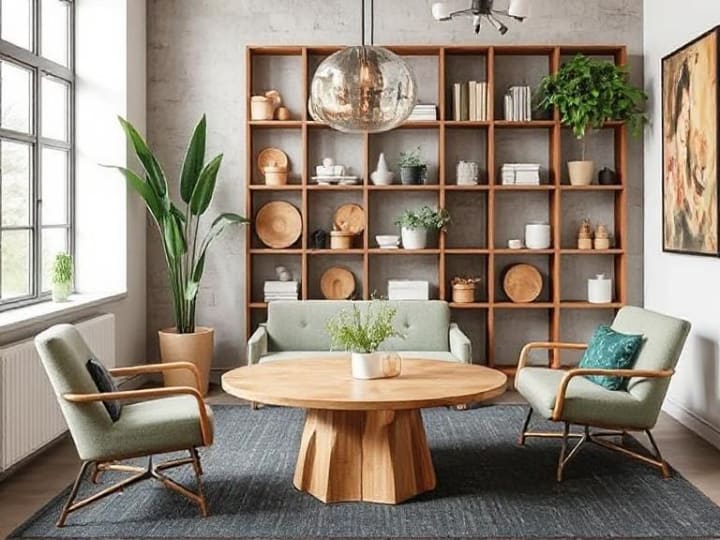
Looking to the future, the furniture industry will continue to evolve toward sustainability. As innovation and technology advance, we can expect to see even more creative and eco-conscious designs, making it easier than ever for consumers to choose sustainable options. The future of furniture is undoubtedly greener, and with continued efforts from both manufacturers and consumers, the industry will continue to grow in a way that benefits both people and the planet.
About the Creator
Keep reading
More stories from Opaa Homes and writers in Education and other communities.
Reviving History: How Vintage Furniture is Shaping Today’s Design Trends
In recent years, vintage furniture has made a striking comeback, captivating the attention of contemporary designers and homeowners alike. What was once considered outdated is now being reimagined and integrated into modern design schemes, blending nostalgia with innovation in unexpected ways. The appeal of vintage pieces lies in their timeless craftsmanship, distinctive character, and the unique story they carry. Today’s designers are taking inspiration from past decades—whether it’s mid-century modern, Art Deco, or even Victorian—and infusing these classic elements with a fresh perspective to suit modern tastes.
By Opaa Homes12 months ago in Education
5 signs you're a good driver
As one of the agency’s best employees, you’ve been selected as a finalist to potentially take on a new top-secret mission. You've already shown your aptitude for surveillance and disguise, but the agency is looking to test one last critical skill: how well you can drive. To prove yourself, you’ll need to complete a series of complicated challenges behind the wheel. As the test begins, you notice that the distances between yourself and the cars around you are being meticulously monitored. One of the most widely recommended strategies when it comes to safe driving
By Munesh Yadav2 days ago in Education
The Comfort of Arrival: Why Certain Destinations Instantly Feel Familiar
There are moments in travel that defy logic. You arrive in a place you have never visited before, step onto its streets, breathe in its air, and suddenly feel at ease. There is no adjustment period, no sense of being out of place. Instead, there is a quiet recognition, as if the destination has been waiting for you. This feeling of instant belonging is not accidental, nor is it purely romantic imagination. It is the result of emotional, cultural, psychological, and environmental factors working together to create a sense of home far from home.
By Producer James Simon5 days ago in Education



Comments
There are no comments for this story
Be the first to respond and start the conversation.