
Reviving History: How Vintage Furniture is Shaping Today’s Design Trends
The Resurgence of Vintage Furniture in Modern Design
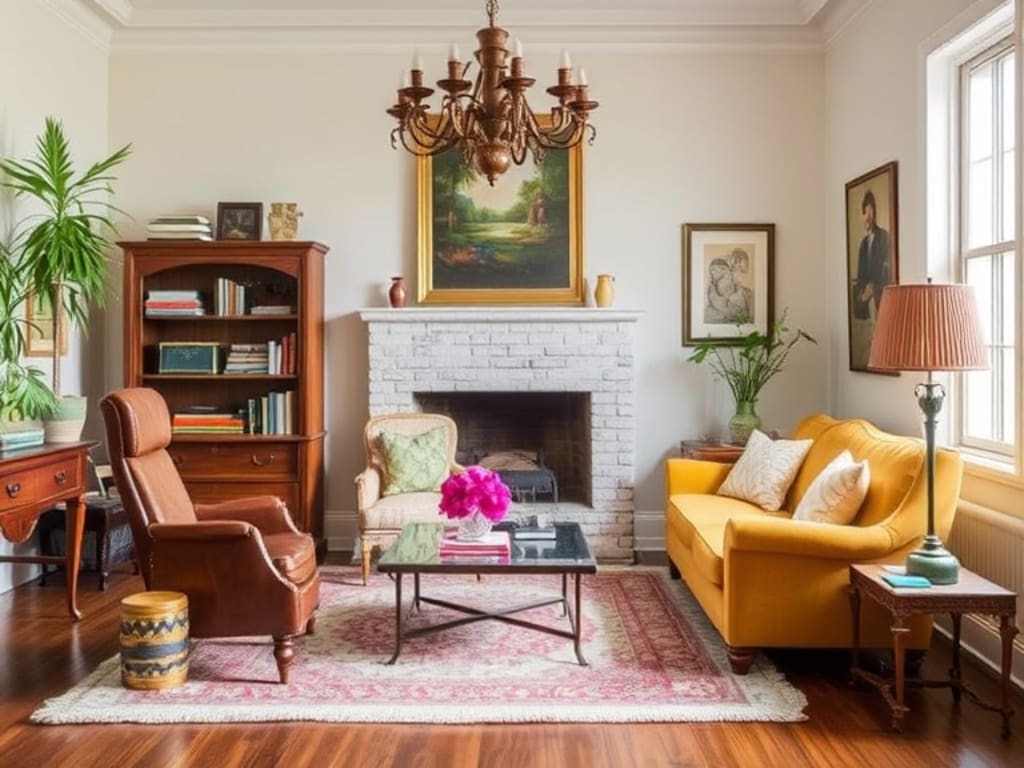
In recent years, vintage furniture has made a striking comeback, captivating the attention of contemporary designers and homeowners alike. What was once considered outdated is now being reimagined and integrated into modern design schemes, blending nostalgia with innovation in unexpected ways. The appeal of vintage pieces lies in their timeless craftsmanship, distinctive character, and the unique story they carry. Today’s designers are taking inspiration from past decades—whether it’s mid-century modern, Art Deco, or even Victorian—and infusing these classic elements with a fresh perspective to suit modern tastes.
This resurgence of vintage furniture is not just a trend driven by nostalgia. Instead, it’s about reviving the quality and artistry that was once commonplace in furniture design. While mass-produced, contemporary furniture often lacks the personal touch of handcraftsmanship, vintage pieces offer a reminder of the intricate detail and enduring quality that earlier eras prioritized. These designs are becoming more than just decor; they are a celebration of history, craftsmanship, and sustainability in a world that often values speed and convenience over durability.
Sustainability and Craftsmanship: The Appeal of Vintage
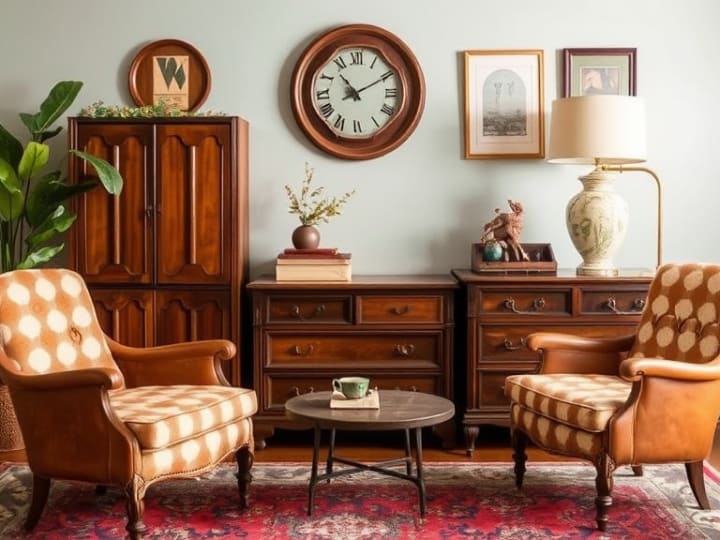
As concerns over environmental impact grow, vintage furniture aligns perfectly with the rising demand for sustainable living. In an age where fast furniture and disposable home goods dominate the market, vintage pieces offer a refreshing alternative. Consumers today are increasingly seeking out furniture that will stand the test of time rather than purchasing cheap, mass-produced items that need to be replaced every few years. Vintage furniture provides the solution, as it was often built to last and made from materials that are no longer as prevalent in modern manufacturing.
The sustainability aspect of vintage furniture goes beyond its longevity. Many vintage items are crafted from natural materials such as solid wood, leather, and metal, which are often more durable and eco-friendly than the synthetic materials used in modern furniture. By purchasing vintage items, consumers are not only contributing to a more sustainable way of living but also helping to reduce the demand for new, resource-intensive production. Furthermore, each vintage piece is a one-of-a-kind treasure, carrying with it a level of artistry and craftsmanship that is increasingly rare in today’s furniture market.
Blending the Old with the New: A Contemporary Fusion
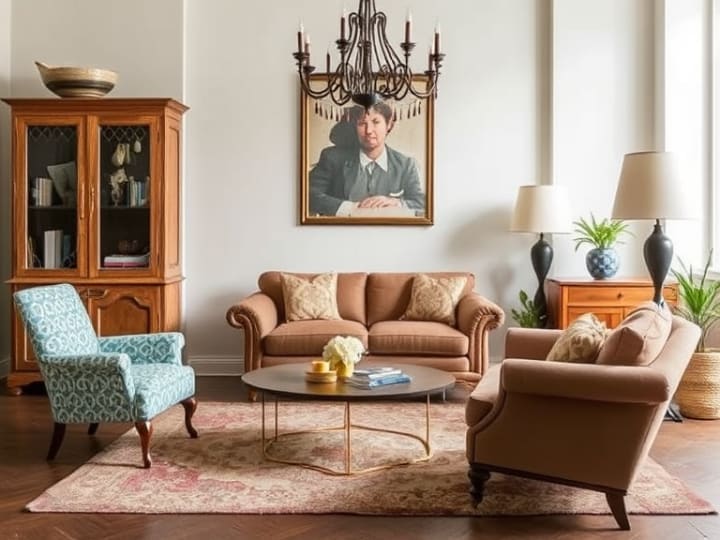
One of the most exciting aspects of incorporating vintage furniture into modern interiors is the seamless fusion of the old with the new. Designers are expertly blending traditional materials like wood, leather, and metal with contemporary, minimalist designs to create dynamic and visually striking spaces. This combination of past and present allows for a richer, more layered aesthetic that feels both fresh and timeless.
For example, a mid-century modern chair with its clean lines and functional design might be paired with a sleek, minimalist coffee table, creating an elegant balance between nostalgia and innovation. Similarly, an antique light fixture with intricate detailing can serve as the focal point in a room that features more modern elements, providing a contrast that adds depth and character to the space. These vintage elements serve as a counterpoint to the often cold, sterile nature of contemporary design, bringing warmth, personality, and history into a space.
This mix of styles also opens the door to personalization, allowing homeowners and designers to create unique interiors that reflect individual taste and style. Whether it’s an Art Deco-inspired table, a vintage rug, or a retro lamp, vintage furniture provides the opportunity to curate a space that feels distinctly your own while celebrating design history.
A Timeless Influence on Today’s Design Trends
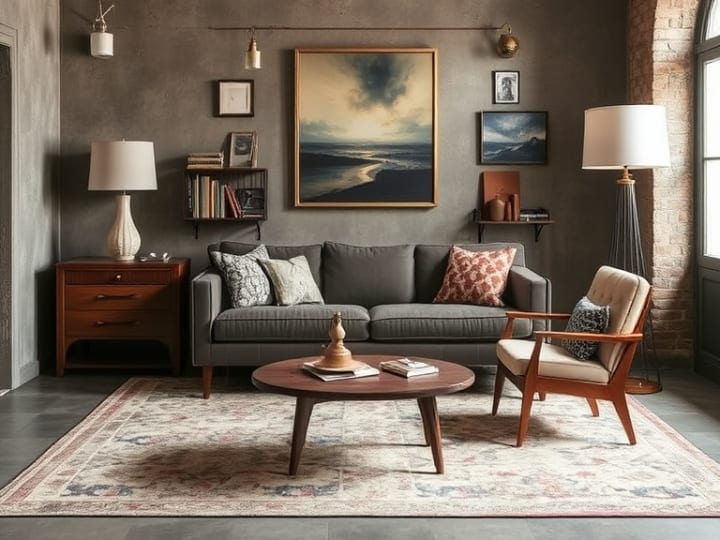
Vintage furniture is not only reshaping the interiors of today but also influencing broader design trends. The revival of vintage pieces is a nod to a time when design was centered around quality, artistry, and craftsmanship. By incorporating these elements into contemporary homes, designers are not just honoring the past; they are redefining it for a new generation. This marriage of old and new creates spaces that feel simultaneously modern and timeless, where history and innovation coexist.
Ultimately, vintage furniture is contributing to the evolution of design by offering a sense of individuality, sustainability, and artistry that mass-produced furniture often lacks. These pieces help to shape today’s design trends by adding depth, warmth, and personality to modern spaces. Whether through the careful integration of vintage elements into a contemporary interior or through the revitalization of entire design styles, vintage furniture remains an enduring influence on the way we approach design. It is a celebration of craftsmanship, sustainability, and history—elements that are as relevant today as ever.
About the Creator
Keep reading
More stories from Opaa Homes and writers in Education and other communities.
The Best Upholstery Fabrics of 2025: Comfort, Durability, and Style
As we move into 2025, upholstery fabrics are transforming to align with the ever-evolving demands of modern living. With an increasing focus on both luxury and practicality, the fabrics of the future combine cutting-edge technology with timeless design. These fabrics offer the perfect balance of comfort, durability, and style, making them an ideal choice for contemporary home interiors. Whether you’re furnishing a high-traffic area, creating a cozy retreat, or designing a sustainable space, the best upholstery fabrics of 2025 are versatile enough to suit a wide range of lifestyles.
By Opaa Homesabout a year ago in Education
Understanding Search Behavior in 2025: How Users Interact with Results, Snippets, and AI Responses
Search Behavior Has Changed Dramatically Search behavior in 2025 looks very different from what it was just a few years ago. People no longer simply type short keyword phrases and click the first blue link they see. Today’s users interact with a mix of AI-generated responses, featured snippets, voice results, video previews, and traditional search listings. Understanding these evolving behaviors is crucial for predicting what users will click, what information they trust, and how they decide where to go next.
By Power Marketing International4 days ago in Education


Comments
There are no comments for this story
Be the first to respond and start the conversation.