
How do coding software and tools assist in medical coding?
How do coding software and tools assist in medical coding?
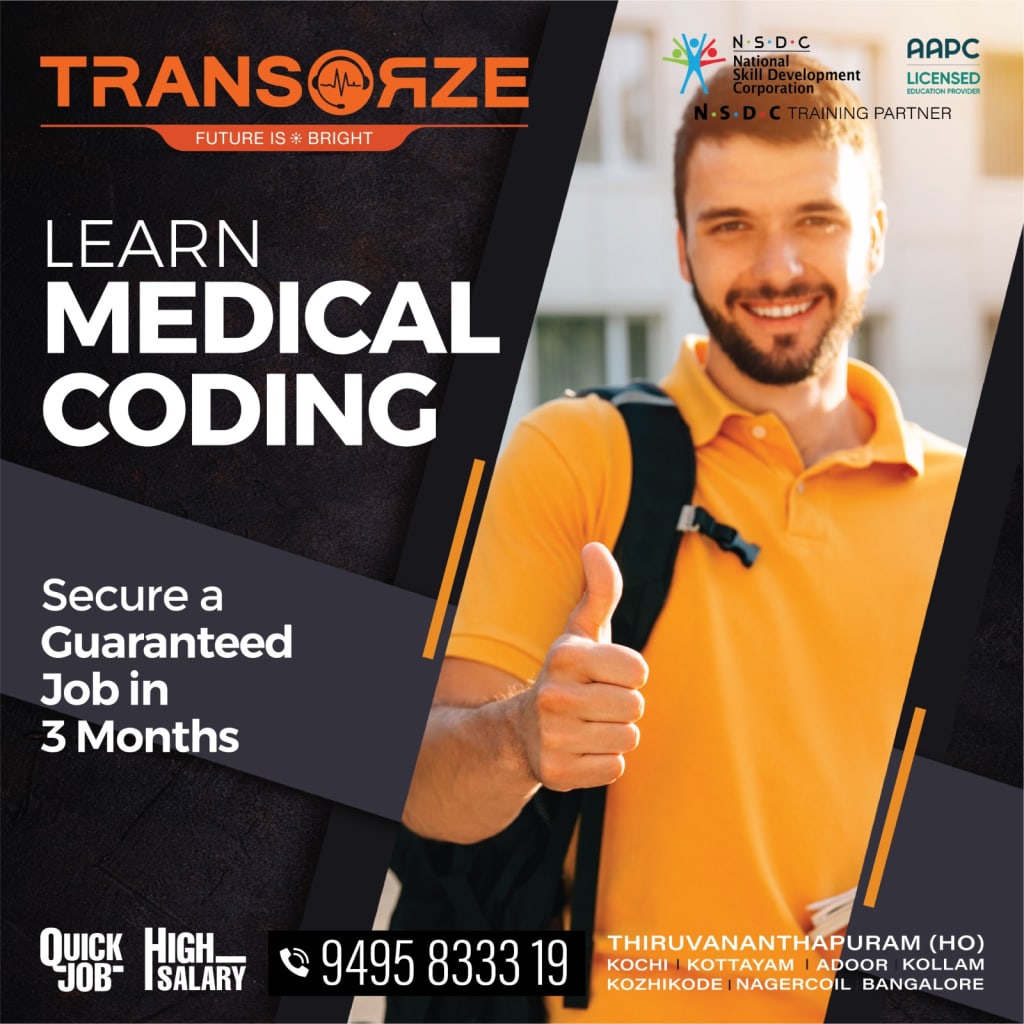
What Are My Career Options After Completing a Medical Coding Course?
Medical coding is a rapidly growing field with numerous career opportunities for individuals who have completed formal training. As the healthcare industry continues to evolve, there is a rising demand for certified medical coders to ensure accurate billing, compliance, and data management. In this blog, we'll explore the various career paths available after completing a medical coding course and provide insight into how you can grow and advance in this dynamic profession.
1. Medical Coder
The most obvious and direct career option after completing a medical coding course is to become a medical coder. In this role, you'll be responsible for translating healthcare diagnoses, treatments, and procedures into universal medical codes. These codes are essential for billing purposes, insurance claims, and maintaining accurate patient records.
Medical coders typically work in hospitals, clinics, physicians’ offices, insurance companies, and other healthcare facilities. This position requires a strong understanding of medical terminology, anatomy, healthcare regulations, and coding systems such as ICD-10, CPT, and HCPCS.
2. Medical Billing Specialist
While closely related to medical coding, a medical billing specialist focuses more on processing and managing billing information for healthcare services. Medical billers ensure that healthcare providers are compensated for their services by submitting claims to insurance companies, following up on payments, and handling any disputes or rejections that arise.
Completing a medical coding course provides a solid foundation for this role since accurate coding is essential for billing purposes. Many medical coders eventually transition to billing roles or handle both coding and billing tasks simultaneously.
3. Health Information Technician
As a health information technician, you'll manage and organize health data, ensuring that it is accurate, accessible, and secure. This role often involves working with electronic health records (EHR) systems and collaborating with medical staff to ensure the proper documentation of patient information.
Health information technicians must have a solid understanding of coding systems and healthcare regulations, making medical coding courses a perfect stepping stone for this career. You may also find opportunities to specialize in areas like data analysis, healthcare compliance, or information security within this field.
4. Coding Auditor
If you're detail-oriented and enjoy reviewing work for accuracy, a career as a coding auditor may be a good fit. Coding auditors review medical records and claims to ensure that the codes applied are correct and compliant with healthcare regulations. This role is critical in preventing errors, reducing the risk of fraud, and ensuring that healthcare providers receive the appropriate reimbursement for their services.
To become a coding auditor, you'll need in-depth knowledge of coding systems, billing processes, and healthcare regulations, which you can gain from a medical coding course. Many coders pursue this role after gaining a few years of experience in coding to enhance their skills and career prospects.
5. Compliance Officer
A compliance officer in the healthcare field ensures that the organization follows legal and regulatory requirements related to medical billing, coding, and patient privacy. They play a crucial role in minimizing risks and avoiding penalties by ensuring that all operations align with industry standards, such as HIPAA regulations.
With your medical coding background, you will already have a strong understanding of healthcare regulations, making this a natural career progression for someone interested in maintaining ethical practices and preventing compliance violations.
6. Medical Coding Trainer or Instructor
If you enjoy teaching and sharing your knowledge, becoming a medical coding trainer or instructor could be a rewarding career option. As more individuals seek to enter the medical coding field, there is a growing demand for knowledgeable instructors to guide and prepare them for certification exams and professional roles.
With experience and certification, you could work at educational institutions, coding training centers, or even provide online courses and training. This role allows you to share your expertise and help shape the next generation of medical coders.
7. Medical Office Manager
A medical office manager oversees the daily operations of healthcare facilities, including managing staff, handling billing and coding, and ensuring that the office runs smoothly. Medical office managers play a key role in coordinating between healthcare providers, patients, and insurance companies.
Having a medical coding background is beneficial in this role, as you'll have a deep understanding of the billing and coding processes, which are integral to the financial health of a medical practice.
8. Medical Records Coordinator
In this role, you will be responsible for organizing and maintaining patient medical records. A medical records coordinator ensures that all records are accurate, secure, and up to date, and that they comply with healthcare regulations. This role is ideal for someone who is detail-oriented and enjoys working with data.
A medical coding course will provide you with the knowledge needed to understand medical terminology, healthcare systems, and the importance of accurate documentation, all of which are critical to success in this position.
9. Freelance Medical Coder
If you prefer flexibility and independence in your career, you can pursue work as a freelance medical coder. Many healthcare organizations outsource their coding and billing tasks to freelancers, allowing you to work from home or take on multiple clients.
Freelance medical coding offers the freedom to set your own hours, choose your clients, and work remotely. However, it also requires strong time management skills and the ability to market your services effectively.
10. Career Advancement Through Specialization
As you gain experience in medical coding, you may choose to specialize in certain areas of healthcare, such as radiology, cardiology, oncology, or inpatient coding. Specialization allows you to command higher salaries and become an expert in a particular field. It also opens the door to more advanced positions, such as coding supervisor or director of coding.
By taking additional certifications and continuing education courses, you can further enhance your skills and knowledge, positioning yourself for leadership roles in the healthcare industry.
11. International Opportunities
Medical coding isn't limited to your home country. Countries like the United States, Australia, and the United Kingdom often seek certified medical coders, especially those familiar with their respective healthcare systems. If you're interested in working abroad or with international clients, you can explore opportunities to apply your skills globally.
With the rise of remote work, many coders now have the chance to work for companies based in different countries while staying in their home region, expanding your career options even further.
Conclusion
Completing a medical coding course opens up a variety of career paths, each offering unique opportunities for growth and advancement. Whether you choose to specialize in coding, explore related fields like medical billing or healthcare compliance, or branch out into teaching or management, the skills you gain from a medical coding course will provide a solid foundation for a rewarding career.
As the healthcare industry continues to expand, the demand for qualified medical coders will only increase, making this a stable and promising career choice for the future.
About the Creator
Keep reading
More stories from Mohammed Shijin and writers in Education and other communities.
What are the key benefits of Medical Transcription Training?
Key Benefits of Medical Transcription Training Medical transcription is a vital aspect of healthcare, where trained professionals transcribe medical reports dictated by doctors and healthcare providers. In today’s fast-paced medical environment, accuracy and speed in documentation are critical. Medical transcription training equips individuals with the necessary skills to deliver high-quality medical documentation. Below are the key benefits of undergoing medical transcription training and why it's a smart career choice.
By Mohammed Shijinabout a year ago in Education
The Duelist
The rays of a dying red sun flashed against the onrushing blade. The grey beards say the key to dueling lies in size, speed, reach, righteous fury, whatever the person in front of them pays them to say. Matteo knew better than any it was none of these and had an undefeated record on these sands to prove it.
By Matthew J. Fromm3 days ago in Fiction




Comments
There are no comments for this story
Be the first to respond and start the conversation.