
What are the key benefits of Medical Transcription Training?
Key Benefits of Medical Transcription Training?
Key Benefits of Medical Transcription Training
Medical transcription is a vital aspect of healthcare, where trained professionals transcribe medical reports dictated by doctors and healthcare providers. In today’s fast-paced medical environment, accuracy and speed in documentation are critical. Medical transcription training equips individuals with the necessary skills to deliver high-quality medical documentation. Below are the key benefits of undergoing medical transcription training and why it's a smart career choice.
1. Career Growth and Stability
One of the major advantages of medical transcription training is the promise of stable career growth. As long as there are healthcare facilities, there will be a demand for professionals who can transcribe medical records accurately. With an aging population and advancements in healthcare, the need for skilled transcriptionists is projected to grow.
Many healthcare providers are moving toward electronic health records (EHR), making accurate transcription even more important. This demand ensures a stable and growing job market for those trained in medical transcription.
2. Work-from-Home Opportunities
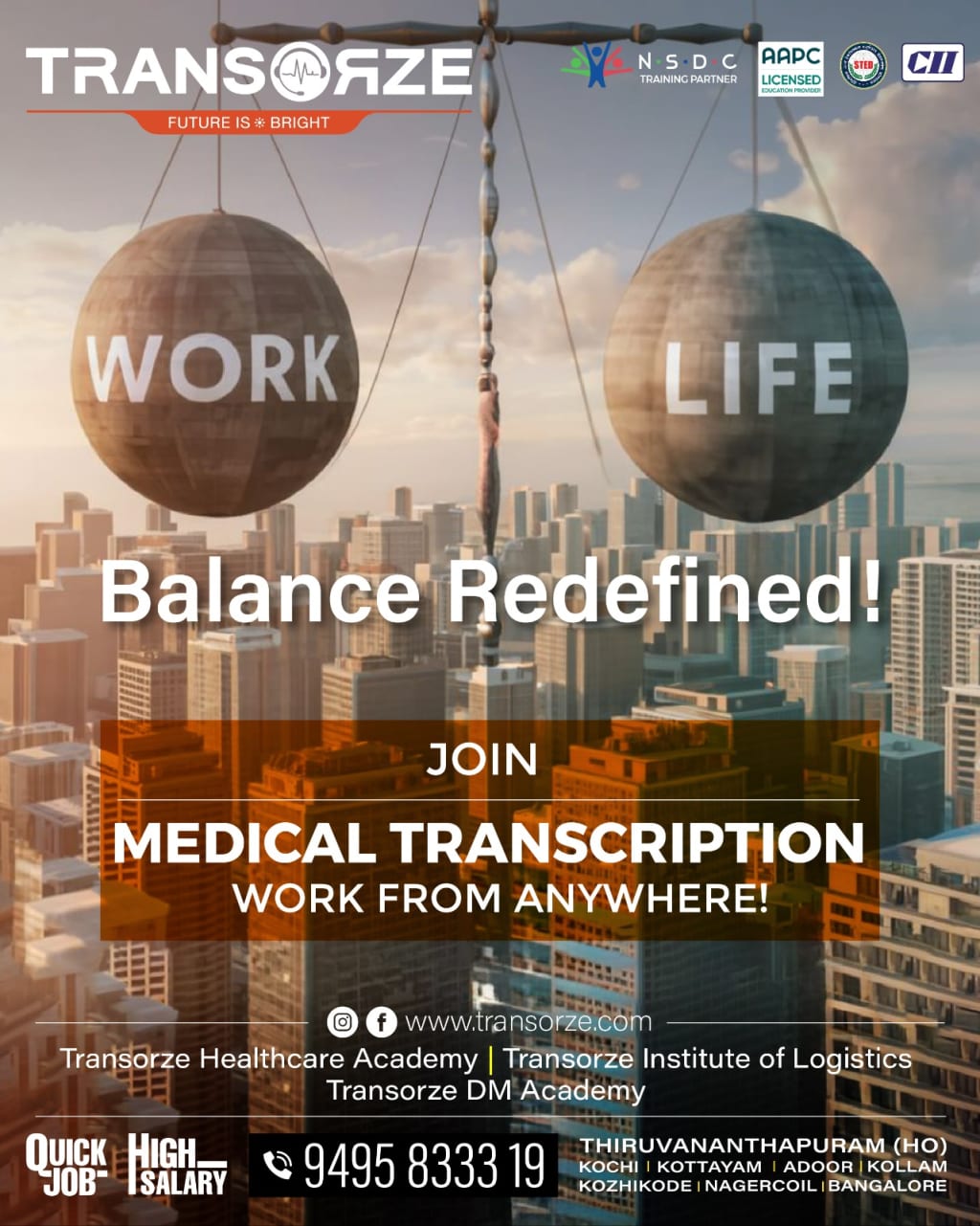
Medical transcription is one of the few healthcare-related jobs that offer the flexibility to work remotely. Once you’ve completed your training and gained some experience, you can find plenty of work-from-home opportunities, allowing for better work-life balance.
This flexibility makes the career ideal for individuals looking to work part-time, stay-at-home parents, or anyone seeking the ability to earn an income without needing to be physically present in a medical office.
3. Cost-Effective and Short Training Period
Unlike many healthcare professions that require years of education, medical transcription training can typically be completed within a few months. This makes it an affordable option for those looking to enter the healthcare field quickly.
With medical transcription, there’s no need for a long-term commitment to school or significant financial investment in a degree. Online courses are available, providing the convenience to learn at your own pace, making the training process both time-efficient and budget-friendly.
4. In-Demand Skillset
Medical transcriptionists need to be familiar with medical terminology, anatomy, and legal requirements in healthcare documentation. These are specialized skills that many people don’t possess, making trained transcriptionists highly sought after by healthcare institutions.
This demand is especially high in hospitals, outpatient clinics, and even for private practitioners who prefer to focus on patient care rather than documentation.
5. Improves Medical Knowledge
Medical transcription training doesn’t just teach transcription skills; it significantly enhances your knowledge of medical terminology, anatomy, and healthcare procedures. This training could provide you with a strong foundation in the medical field, which may open doors to other healthcare-related careers such as medical coding or billing.
Furthermore, as you transcribe reports, you'll gain exposure to a wide array of medical cases, procedures, and treatments, keeping your medical knowledge up-to-date. This continuous learning keeps the job engaging and intellectually stimulating.
6. Contribution to Quality Patient Care
Accurate medical records play a crucial role in providing quality patient care. Physicians and healthcare providers depend on well-documented reports to make informed decisions. As a trained medical transcriptionist, you contribute directly to patient safety and care by ensuring that these records are precise and reliable.
Your role supports the smooth functioning of the healthcare system, as accurate documentation helps avoid medical errors, leading to better patient outcomes.
7. Enhances Attention to Detail
Medical transcriptionists need a sharp eye for detail. Training in this field sharpens your attention to detail, as even small errors can have significant consequences in a medical setting. This attention to detail is not only crucial for accurate transcriptions but is also a valuable skill in many other aspects of professional and personal life.
If you enjoy working with accuracy and precision, medical transcription could be an ideal fit for you.
8. Develops Strong Typing and Listening Skills
Medical transcription requires the ability to listen carefully and type quickly and accurately. During your training, you’ll develop excellent listening and typing skills, which can be beneficial in various job roles, including administrative positions. These skills also enhance your overall efficiency and productivity, making you more valuable to potential employers.
The more adept you become at understanding accents, medical jargon, and dictation speed, the more versatile and efficient you’ll be in your job.
9. Opportunities for Specialization
While general medical transcription is in high demand, there are also opportunities for specialization within the field. You can focus on a specific area of medicine, such as radiology, cardiology, or orthopedics, after gaining initial experience. Specializing not only makes your work more interesting but may also increase your earning potential as specialists are often compensated at higher rates.
Specialization allows you to develop expertise in a particular medical area, making you more competitive and in-demand in the job market.
10. Builds Independence and Time Management Skills
Working in medical transcription requires self-discipline and excellent time management. Since you may work from home or have flexible hours, it’s important to manage your workload and meet deadlines independently. Medical transcription training helps you develop the discipline to stay organized, complete assignments efficiently, and manage your time wisely.
These skills can also be valuable in other areas of life and work, giving you an edge in any professional environment.
11. Affordable Continuing Education
The field of medical transcription offers plenty of opportunities for continuing education, which can help you stay competitive in the workforce. Many institutions offer affordable courses that can help you stay updated on the latest advancements in medical terminology, transcription technologies, and healthcare documentation standards.
By investing in ongoing education, you can advance in your career and continue to develop your expertise, making you more attractive to employers and clients.
Conclusion: A Rewarding Career Choice
Medical transcription training offers numerous benefits, including career stability, flexibility, cost-effective education, and the opportunity to make a significant contribution to patient care. Whether you’re looking for a new career path or an opportunity to work from home, medical transcription provides a fulfilling and financially rewarding career.
With the right training, you can enter the healthcare field quickly, gain in-demand skills, and enjoy a flexible work schedule.
Click Here and fill out the form to enroll in the course.
About the Creator
Keep reading
More stories from Mohammed Shijin and writers in Education and other communities.
What are the benefits of learning Medical Transcription?
Medical transcription is a crucial part of the healthcare industry, where the accurate conversion of voice-recorded medical reports into written text is vital. This skill offers a unique blend of job satisfaction, career flexibility, and financial stability. If you're considering a career in this field, understanding the benefits can help you make an informed decision.
By Mohammed Shijinabout a year ago in Education
Breaking Down Private and Commercial Pilot Licenses
Taking flight is more than just a thrill; it can be a lifestyle or a full-fledged career. But before you can soar through the skies, you need to earn the appropriate pilot license. Two of the most common paths for aspiring aviators are the private pilot license (PPL) and the commercial pilot license (CPL). While both enable you to fly aircraft, they serve very different purposes and require varying levels of commitment. If you're deciding between the two, understanding the distinctions can help you make the right choice for your future in aviation.
By Jett Harris of Arkansas6 days ago in Education




Comments
There are no comments for this story
Be the first to respond and start the conversation.