
How Digital Land Tokenization Is Making Real Estate More Accessible Than Ever
Unlocking Investment Opportunities: How Digital Land Tokenization is Transforming Real Estate Accessibility

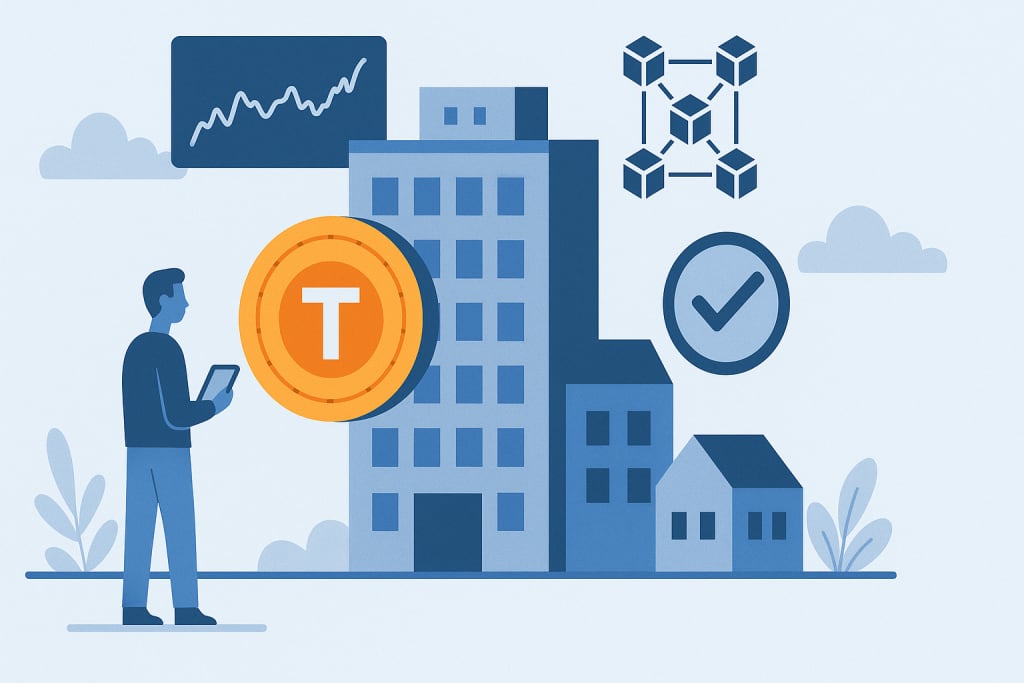
The world of real estate investment has traditionally been an exclusive domain for high-net-worth individuals (HNWIs), institutional investors, and large-scale property developers. Due to the significant capital required to invest in real estate and the illiquidity of physical assets, smaller investors often find themselves sidelined. However, the advent of digital land tokenization is dramatically reshaping this landscape, making real estate more accessible than ever before.
Digital land tokenization is a blockchain-based innovation that converts physical land into fractionalized digital assets, allowing investors to buy and sell portions of real estate as easily as they would trade stocks or cryptocurrencies. This new form of property ownership reduces barriers such as high capital requirements, illiquidity, and geographic constraints, offering a wealth of opportunities to a broader audience. In this article, we will explore how digital land tokenization is democratizing access to real estate investment, its benefits, and the factors you should consider when choosing a Real Estate Tokenization company.
What is Digital Land Tokenization?
Digital land tokenization involves converting ownership rights to a piece of land into digital tokens, each representing a fractional share of the property. These tokens are stored on a blockchain, providing transparency, security, and ease of transfer. Token holders own a share of the land in proportion to the number of tokens they hold. Through blockchain technology, these tokens can be easily bought, sold, or transferred, just like stocks or other digital assets.
The underlying blockchain ensures that all transactions are transparent, secure, and immutable, providing a permanent record of ownership and any transactions associated with the land. Smart contracts, which are self-executing contracts with predefined rules, automate processes such as income distribution, governance, and the execution of transactions. This significantly reduces reliance on intermediaries, such as lawyers, notaries, and brokers.
How Digital Land Tokenization Is Changing the Real Estate Market
1. Lowering Barriers to Entry
One of the primary advantages of digital land tokenization is its ability to reduce the high capital barriers traditionally associated with real estate investment. In traditional real estate markets, purchasing a plot of land or property typically requires significant capital, with costs running into the tens or even hundreds of thousands of dollars. For the average investor, this can be prohibitively expensive.
With tokenization, the price of a single token representing a fractional share of the land can be much more affordable. For example, a piece of land worth $500,000 could be tokenized into 500,000 tokens, each worth $1. This allows investors to buy as little as a fraction of a token, enabling them to invest in real estate without needing to commit large amounts of capital upfront. This creates an entirely new avenue for retail investors, including individuals who may have never considered real estate as an investment vehicle due to cost constraints.
2. Fractional Ownership and Diversification
Tokenization divides the property into smaller units, making fractional ownership a reality. This means that an investor can own a portion of a piece of land or real estate rather than having to purchase the entire property. Fractional ownership offers several benefits, most notably diversification.
In traditional real estate, owning a single property often means the investor is exposed to the risks associated with that particular asset. However, by purchasing tokens representing fractions of different properties, investors can diversify their portfolios across multiple assets in different locations, reducing risk. Digital land tokenization opens up opportunities to invest in various geographic regions, including urban, rural, and even international markets, providing broader exposure to global real estate markets.
3. Increased Liquidity
The real estate market has long been known for its illiquidity—properties typically take months to sell, and the process involves significant paperwork, brokers, and negotiations. This illiquidity can be frustrating for investors who want to cash out or adjust their portfolios quickly.
Tokenized real estate, however, can be traded on blockchain-powered secondary markets, offering a level of liquidity not previously possible in the real estate space. Investors can easily buy or sell tokens at any time, just like trading stocks or cryptocurrencies. The speed and efficiency of tokenized transactions make real estate investment more liquid, enabling small investors to enter and exit the market with ease. This increased liquidity is one of the key factors that make digital land tokenization so attractive to a broader investor base.
4. Global Access and Cross-Border Investment
Tokenization makes it easier for investors to participate in global real estate markets without the barriers of geographic location or regulatory constraints. Traditional real estate markets are often limited by local regulations and legal complexities, making cross-border investment difficult for most investors. With digital land tokenization, anyone with internet access can invest in properties across the globe.
For instance, a U.S.-based investor can buy tokenized land in Africa, Asia, or Europe without needing to navigate local real estate laws, currencies, or complicated legal processes. Similarly, investors from other countries can purchase digital land in markets where they may not have otherwise been able to participate. The global accessibility offered by digital land tokenization opens up a world of investment opportunities, providing exposure to diverse and emerging markets.
5. Transparency and Security
Blockchain technology provides a high level of transparency and security, which is crucial in property transactions. Every transaction made with tokenized land is recorded on a blockchain, creating an immutable, transparent record of ownership and transactions. This ensures that all investors have access to the same information, reducing the risk of fraud and providing a clear history of the property’s ownership and income distribution.
Smart contracts further enhance security by automatically executing the terms of agreements between parties. These self-executing contracts eliminate the need for intermediaries, such as notaries and lawyers, and ensure that transactions are executed according to the rules set out by the contract. This significantly reduces the potential for disputes and human error.
Benefits of Digital Land Tokenization
1. Accessibility for Smaller Investors
Digital land tokenization lowers the capital requirements for investing in real estate, opening the door to a new wave of investors. Small investors can now buy fractional ownership in properties that were previously out of reach. This is particularly important for millennials and Gen Z investors who may not have the capital to make large investments but still wish to diversify their portfolios with real estate.
2. Passive Income Generation
Tokenized real estate investments can generate passive income through rental yields. As token holders, investors are entitled to a share of the rental income generated by the property, proportional to the number of tokens they own. This means that small investors can earn regular income from rental properties without needing to be involved in the day-to-day management of the land or property.
3. Democratization of Real Estate Investment
By allowing fractional ownership and lowering the cost of entry, digital land tokenization democratizes access to real estate investments. This is a crucial development in creating a more inclusive investment ecosystem. It allows individuals who may not have had the financial resources to invest in real estate previously to participate in one of the most lucrative asset classes, helping to bridge the wealth gap.
4. Efficient Property Management
Tokenized real estate platforms often integrate with property management tools, allowing for automated rent collection, income distribution, and maintenance management. This reduces administrative overhead and makes real estate ownership more efficient for both individual investors and property managers.
5. Environmental and Social Impact
Digital land tokenization could have a significant impact on the environment and society. Through fractionalized ownership, small-scale investors can participate in sustainable, eco-friendly projects such as green developments, renewable energy-powered buildings, or social housing. These types of investments could be funded and managed using tokenized assets, giving more people the ability to support socially responsible projects.
Key Considerations for Choosing a Digital Land Tokenization Platform
As digital land tokenization becomes more mainstream, there are several factors investors should consider when choosing a platform:
1. Security and Regulation
Investors should ensure the tokenization platform complies with all relevant legal and regulatory frameworks. The platform should also offer secure wallets, data encryption, and other protective measures to safeguard investments.
2. Transparency and Reporting
Look for platforms that provide detailed, transparent reporting about the tokenized assets, including income distributions, property valuations, and any risks involved. Transparency is key to building trust with investors.
3. Liquidity and Secondary Markets
Make sure the platform has a functioning secondary market where you can easily buy or sell your tokens. A healthy, liquid market is crucial for any investor who may wish to exit their investment in the future.
4. Property Management and Automation
Choose a platform that integrates automated property management systems, ensuring income distribution and maintenance are handled efficiently. This will make the investment process more streamlined and passive.
5. Transaction Fees
Be mindful of the fees involved in buying, selling, or transferring tokens. Although tokenized real estate typically offers lower transaction fees than traditional methods, it is still important to understand the fee structure upfront.
Conclusion
Digital land tokenization is one of the most exciting innovations in the real estate investment sector, offering new opportunities for small investors to gain exposure to high-value assets. By lowering entry barriers, increasing liquidity, and providing transparency and security, tokenization is making real estate more accessible than ever before. It democratizes the market, allowing a broader range of individuals to invest in land and properties that were previously only available to the wealthiest investors.
As technology and regulatory frameworks evolve, digital land tokenization will continue to transform the real estate landscape. Investors who embrace this new model will be positioned to reap the benefits of passive income, diversification, and the potential
About the Creator
Gabrielle
Blockchain enthusiast and NFT writer dedicated to merging technology with art on decentralized platforms, driving innovation for a creative future. Embracing the potential of digital expression.
Navigating School Choice in America: Charter vs. Traditional Public Schools Explained
Parents today face many options when choosing a school for their children. One of the most discussed topics in education is school choice. This idea allows families to select the type of public school that best fits their child’s needs. The two most common options are charter schools and traditional public schools. Both are publicly funded, but they operate differently. Understanding these differences helps parents make better decisions. This article explains how charter schools and traditional public schools work, what sets them apart, and how each option may support students in different ways.
By Martin Karp3 days ago in Education
Propaganda 2.1 Model, Manufacture of Dissent and Monetisation of Outrage
Abstract This article introduces the Propaganda 2.1 model as a theoretical extension of the author’s earlier Propaganda 2.0 framework, arguing that contemporary online media ecosystems are no longer governed primarily by political, ideological or cultural objectives but by a dominant economic policy of platform capitalism. In this regime, revenue optimisation trumps belief formation, identity construction and persuasive coherence, transforming propaganda from a project of ideological influence into an infrastructure for affect extraction. The model identifies three core mechanisms structuring this new phase. First, rage-baiting or the monetisation of outrage becomes the central commodity form of public discourse, replacing persuasion with the algorithmic optimisation of irritation, humiliation and moral injury. Second, the proliferation of AI ‘slop’ produces a regime of semantic banalisation in which meaning is not distorted but dissolved through excess, flooding the public sphere with syntactically fluent yet cognitively weightless content that exhausts attention rather than informing it. Third, parasociality functions as simulated intimacy, substituting civic belonging and social reciprocity with managed emotional attachment to influencers, automated agents and personalised feeds. Together these mechanisms describe a propaganda system that no longer requires belief, truth or ideological consistency. Outrage replaces conviction, automation replaces meaning, and artificial intimacy replaces sociality, marking the transition from the manufacture of dissent to the liquidation of public opinion itself. Does a media system that no longer seeks to persuade but to provoke still qualify as propaganda, or has it become a different technology of power altogether? If outrage is now more profitable than truth, what remains of public opinion as a democratic force? Can meaning survive in a communicative environment flooded by automated, semantically empty content? And when artificial intimacy replaces social relations, is the public sphere still a space for politics, or only a marketplace for emotions?
By Peter Ayolov4 days ago in Education


Comments
There are no comments for this story
Be the first to respond and start the conversation.