
How Does Blockchain Enhance the Liquidity of Tokenized Residential Properties?
Blockchain Unlocks Liquidity in Tokenized Residential Properties

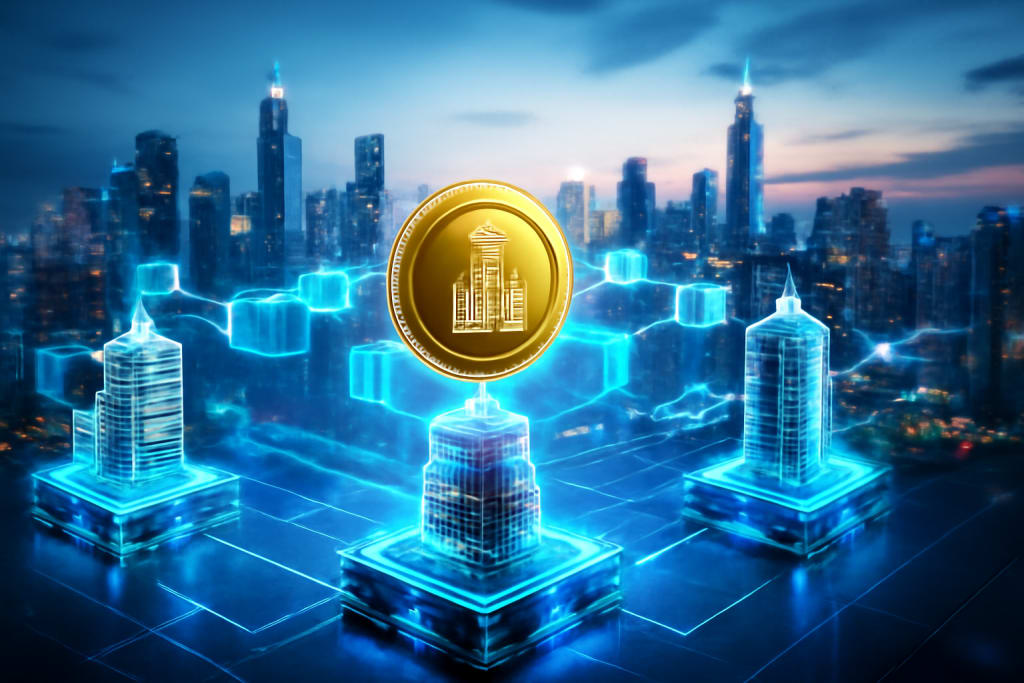
Real estate has long been a relatively illiquid asset class, with the process of buying or selling properties typically requiring significant time, paperwork, and legal procedures. This illiquidity is even more pronounced in residential properties, where individual buyers and sellers must navigate local regulations, property appraisals, and market conditions. However, the advent of blockchain technology has opened new avenues for improving the liquidity of tokenized residential properties, offering both investors and property owners more efficient, transparent, and accessible markets.
Blockchain’s decentralized nature, combined with the ability to tokenize assets, provides a secure and efficient way to buy, sell, and transfer fractional ownership of residential properties. Tokenization divides properties into digital shares, allowing investors to buy smaller, more affordable portions of high-value assets and trade them on secondary markets. By utilizing blockchain, tokenized residential properties not only become more liquid but also more accessible, transparent, and globally tradable.
What Is Tokenization of Residential Properties?
Tokenization is the process of converting the ownership rights of a real-world asset, such as a residential property, into digital tokens on a blockchain. These tokens represent fractional ownership of the property, allowing investors to buy and sell portions of the property without the need for traditional buying and selling processes. Tokenized residential properties can be divided into thousands or even millions of smaller units (tokens), making it easier for smaller investors to participate in the real estate market.
Blockchain technology underpins real estate tokenization, providing a decentralized and immutable ledger that tracks ownership, transactions, and transfers of property-related tokens. Smart contracts, self-executing contracts with predefined rules, are often used to facilitate the automation of transactions, income distribution, and governance tasks related to the property.
Blockchain and the Liquidity Problem in Real Estate
Liquidity refers to the ease with which an asset can be bought or sold in the market without affecting its price significantly. Traditional residential real estate is inherently illiquid due to several factors:
- Long Transaction Timelines: Buying or selling residential properties typically takes weeks or months due to negotiations, legal requirements, and paperwork.
- High Transaction Costs: Real estate transactions involve agent commissions, legal fees, taxes, and other expenses that can add up, making the process costly.
- Limited Market Access: Traditional real estate investments are often limited to wealthy individuals or institutions, leaving smaller investors excluded from high-value properties.
- Lack of Fractional Ownership: Residential properties are typically sold as whole units, meaning investors must either buy or sell entire properties, limiting flexibility.
Blockchain’s ability to tokenize real estate and introduce fractional ownership addresses these liquidity issues by creating smaller, tradable units. By doing so, tokenization opens up new opportunities for residential properties to be bought, sold, and traded efficiently.
How Blockchain Improves Liquidity in Tokenized Residential Properties
Blockchain enhances the liquidity of tokenized residential properties in several ways, which makes real estate investment more accessible, efficient, and transparent. Here’s how blockchain facilitates this transformation:
1. Fractional Ownership and Increased Access
One of the most significant benefits of tokenizing residential properties is the introduction of fractional ownership. Traditionally, investors needed to purchase an entire property or pay into a large real estate fund. With tokenization, however, properties can be divided into thousands or millions of tokens, each representing a small portion of the property’s value.
Fractional ownership significantly lowers the capital required to invest in high-value properties, enabling a broader range of investors to participate. Small investors can now buy a fraction of a tokenized residential property—often at a much lower cost—thereby improving the liquidity of residential properties by attracting a larger pool of buyers and sellers.
For example, a $500,000 property could be tokenized into 500,000 tokens, each worth $1. This allows smaller investors to purchase as few or as many tokens as they can afford, providing more flexibility in how they manage their investments.
2. Tokenized Real Estate Markets and Secondary Trading
Blockchain enables the creation of secondary markets where tokenized residential properties can be bought and sold at any time. Unlike traditional real estate transactions, which are slow and cumbersome, tokenized real estate transactions can be completed in seconds or minutes on blockchain-powered platforms.
These secondary markets provide investors with greater flexibility and the ability to liquidate their investments when needed. Investors can trade tokens representing residential properties on blockchain platforms in much the same way they trade stocks or cryptocurrencies. This allows for greater price discovery, as tokens are continuously bought and sold, reflecting current market conditions.
For example, if an investor wants to sell their portion of a tokenized residential property, they can do so instantly, without waiting for a buyer or dealing with lengthy legal and paperwork processes. The ability to quickly sell fractional tokens increases liquidity, making residential properties more attractive to a wider range of investors.
3. Global Market Access
Blockchain operates on a global scale, allowing tokenized residential properties to be traded across borders without the need for intermediaries or complex regulatory barriers. Investors from anywhere in the world can buy or sell tokens representing ownership in residential properties located in different countries.
This global access expands the market for residential property investments and enhances liquidity by allowing a diverse group of international investors to participate in the same marketplace. Tokenization platforms enable seamless cross-border transactions, providing real-time exchange of tokens, and reducing friction typically associated with foreign investments.
Global access also benefits property owners by attracting international buyers, increasing the pool of potential investors and liquidity. For example, a property owner in the U.S. can sell a fraction of their residential property to an investor in Europe, without having to deal with currency exchanges, local regulations, or brokerage fees.
4. Faster Transaction Processing
The use of blockchain for tokenized real estate transactions eliminates the need for intermediaries like brokers, lawyers, and notaries, which are typically involved in traditional property deals. With blockchain’s automated, secure, and transparent system, transactions are processed faster and with fewer delays.
Smart contracts play a crucial role in this process. These self-executing contracts automatically trigger property transfers, income distributions, or voting procedures once predefined conditions are met. For example, if a buyer wants to purchase tokens representing a residential property, the transaction can be executed instantly through the smart contract, reducing the time involved in closing the deal.
Faster transactions also contribute to improved liquidity, as investors can act quickly and adjust their holdings in response to market movements or personal financial needs.
5. Transparency and Trust
Blockchain’s transparency is a key factor in enhancing liquidity. The decentralized ledger that tracks ownership and transactions provides investors with a secure and verifiable record of all activity related to tokenized residential properties. Each transfer, sale, or income distribution is recorded in an immutable ledger that is publicly accessible, ensuring transparency and reducing the potential for fraud or disputes.
This transparency builds trust among investors and enhances the overall efficiency of the market. Investors are more likely to participate in tokenized residential property markets when they have access to clear, real-time data about the performance and ownership of assets. With blockchain, all parties can verify the history of a tokenized asset and its transaction record, providing a higher level of confidence.
For example, investors can easily check the rental income generated by a property, the number of tokens in circulation, and the overall property value—all on the blockchain.
Advantages of Liquidity for Tokenized Residential Property Investors
The liquidity provided by blockchain in tokenized residential properties offers numerous benefits for investors:
1. More Flexible Investment Strategy
Investors no longer need to commit to owning entire properties or large amounts of capital. Fractional ownership enables smaller, more diversified portfolios, reducing exposure to individual property risks. Investors can buy and sell tokens as needed, making it easier to adjust their portfolio to changing market conditions.
2. Better Exit Options
Tokenized residential properties offer investors greater flexibility to exit their positions. Instead of waiting for a buyer for an entire property, investors can sell smaller portions of their holdings (i.e., tokens) on secondary markets, enabling them to liquidate their investments quickly and efficiently.
3. Lower Transaction Costs
Blockchain transactions eliminate intermediaries such as real estate agents, brokers, and lawyers, thereby reducing the associated fees and transaction costs. This makes tokenized residential properties more cost-effective for both buyers and sellers, further enhancing liquidity and market participation.
Challenges to Liquidity in Tokenized Residential Properties
While blockchain significantly improves the liquidity of residential properties, there are challenges to consider:
1. Regulatory Uncertainty
The legal and regulatory framework for tokenized assets, especially real estate, is still developing. Different jurisdictions have varying rules regarding property ownership, securities laws, and tax treatment for tokenized assets. As a result, regulatory uncertainty can hinder market growth and affect liquidity, as some investors may be cautious about participating in markets that are not fully regulated.
2. Market Adoption and Education
Tokenization is a relatively new concept, and there is still some resistance and lack of understanding among traditional real estate investors. As the market matures and more platforms and properties become available for tokenization, greater adoption is likely. However, investor education and awareness will be crucial to the continued growth of tokenized residential property markets.
3. Market Liquidity Variability
While blockchain enhances liquidity, the liquidity of tokenized residential properties can still vary based on the property type, location, and investor demand. Niche or less popular properties may have lower liquidity compared to more in-demand, prime residential properties.
Conclusion
Blockchain technology has revolutionized the liquidity of residential real estate by enabling fractional ownership, creating secondary markets, and providing global access to investment opportunities. Tokenization has opened up real estate investment to a broader audience, making it easier to buy, sell, and trade residential property shares on blockchain platforms. As a result, investors can enjoy increased flexibility, better exit options, and lower transaction costs, while property owners benefit from a more liquid, accessible market.
While challenges like regulatory uncertainty and market adoption remain, the liquidity advantages of blockchain in tokenized residential properties are undeniable. As the ecosystem continues to evolve and regulatory frameworks stabilize, the potential for blockchain to further enhance the liquidity of tokenized real estate is immense, paving the way for a more efficient and inclusive real estate market.
About the Creator
Gabrielle
Blockchain enthusiast and NFT writer dedicated to merging technology with art on decentralized platforms, driving innovation for a creative future. Embracing the potential of digital expression.
What to Expect From Bookkeeping Outsourcing Services
Money has a way of revealing how well a business is truly operating. Clean records signal control. Messy books hint at missed opportunities, tax risks, and sleepless nights. Many growing companies reach a point where spreadsheets, late-night reconciliations, and rushed reports are no longer sustainable. That’s usually when leaders begin exploring Bookkeeping Outsourcing as a smarter, scalable solution.
By Charles Brighta day ago in Education
Professional Skills That Separate Good Consultants from Great Ones
Consulting is a competitive field where expertise alone is no longer enough to stand out. While many consultants possess strong technical knowledge and industry experience, only a select group consistently delivers transformative results for their clients. What separates good consultants from great ones is the ability to combine analytical strength with exceptional communication, leadership, adaptability, and emotional intelligence to accelerate sustainable business growth.
By Nicole Metz6 days ago in Education


Comments
There are no comments for this story
Be the first to respond and start the conversation.