
How Can Therapy Help Anxiety Disorders?
Therapy Help Anxiety Disorders
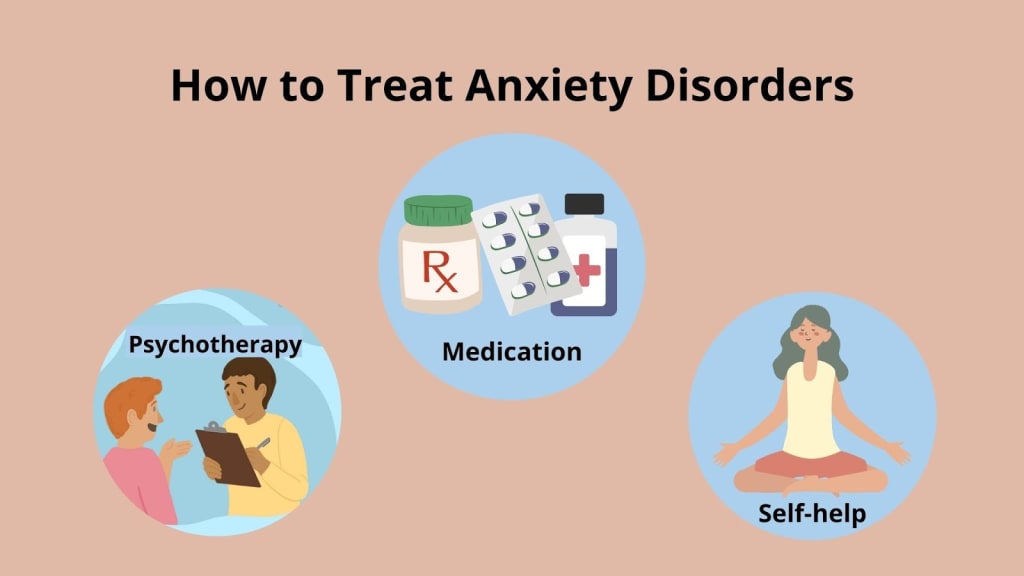
Anxiety is one of the most prevalent mental illnesses worldwide, affecting millions of people of all ages and backgrounds. Anxiety is a normal human response to stress, but an anxiety disorder is much more intense and long-lasting. It can interfere with daily life, relationships, work, and overall well-being. Individuals with anxiety disorders often experience excessive worry, fear, and physical symptoms such as rapid heartbeat, sweating, trembling, and shortness of breath.
Therapy is among the most effective treatments for anxiety disorders. Therapy addresses the underlying thought processes, behaviors, and emotional determinants of anxiety, while medication may only manage symptoms temporarily. This answer explains how therapy helps individuals with anxiety disorders reclaim balance, become resilient, and lead meaningful lives.
Understanding Anxiety Disorders
Anxiety disorders are not simply "overreacting" or "worrying too much." They are a group of clinical disorders that impair functioning seriously. Some common forms of anxiety disorders include:
Generalized Anxiety Disorder (GAD): Excessive and uncontrollable worry about everyday situations.
Panic Disorder: Sudden and intense episodes of fear, often worsened by physical symptoms such as chest pain or dizziness.
Social Anxiety Disorder: Fear of social situations and being humiliated or embarrassed in public.
Phobias: Intense fear of specific objects, situations, or activities (e.g., heights, flying, animals).
Obsessive-Compulsive Disorder (OCD): Unwanted thoughts (obsessions) and repetitive behaviors (compulsions) to reduce distress.
Post-Traumatic Stress Disorder (PTSD): Anxiety after being exposed to traumatic events.
Because each person's anxiety disorder is unique, therapy is also tailored to the individual's specific symptoms, triggers, and life circumstance.
Why Therapy Is Effective for Anxiety
Therapy is effective because it addresses both the psychological and behavioral aspects of anxiety. The key benefits include:
Identifying Triggers: Therapy helps individuals become aware of the specific situations, memories, or thoughts that activate their anxiety.
Breaking the Cycle: Anxiety is generally continued through avoidance behaviors (i.e., social situations). Therapy learns gradual exposure and more adaptive coping behaviors.
Changing Thought Patterns: The majority of anxiety disorders are fueled by distorted thinking, e.g., catastrophizing (Something terrible will happen) or overgeneralizing (I always fail). Therapy challenges these patterns.
Building Coping Skills: Through relaxation skills, mindfulness, and problem-solving abilities, therapy equips individuals with skills to manage anxiety in the moment.
Long-Term Relief: Unlike medication, which can offer temporary relief from symptoms, therapy equips a person with a lifetime of skills that ward off relapse.
Types of Therapy for Anxiety Disorders
Several therapeutic approaches are highly effective in treating anxiety:
1. Cognitive Behavioral Therapy (CBT)
CBT is the most researched and prescribed anxiety treatment. CBT seeks to reveal irrational beliefs underlying worry and replace them with balanced, realistic ones. For instance, if an individual with social anxiety holds the belief, "Everybody will laugh at me if I speak," CBT endeavors to dispute and reframe this belief.
CBT also uses exposure therapy, where patients gradually confront situations they fear in a secure, systematic way, reducing avoidance and building confidence.
2. Acceptance and Commitment Therapy (ACT)
ACT emphasizes acceptance of anxious thoughts instead of fighting them. Through mindfulness practice, patients are taught to observe their thoughts and feelings without judgment, reducing their impact. ACT also encourages individuals to commit to value-based actions in spite of anxiety.
3. Exposure Therapy
Particularly useful for PTSD and phobias, exposure therapy consists of gradually and safely exposing the individual to feared memories or objects. Repeated exposure over time decreases fear responses.
4. Dialectical Behavior Therapy (DBT)
Initially developed for borderline personality disorder, DBT has since been modified to treat anxiety. DBT merges CBT skills with mindfulness and emotional regulation.
5. Psychodynamic Therapy
This form of therapy explores unconscious conflicts and unresolved past experiences that give rise to anxiety. Through insight, individuals can better comprehend the etiology of their fears and acquire more adaptive ways of coping.
6. Group Therapy
Discussion with others who also have anxiety problems reduces feelings of isolation and creates a feeling of belonging. Group therapy also allows one to practice social skills in a safe setting.
What Goes On in a Therapy Session for Anxiety?
Early sessions usually involve assessment and goal-setting. A therapist asks about symptoms, triggers, and background. As time progresses, sessions focus on awareness-raising, skill-instruction, and planning practice.
For example, a person with panic disorder might learn relaxation techniques to calm the body, keep a thought diary to become aware of patterns, and gradually engage in feared activities such as public places. Progress is monitored, and therapy is adjusted as per the individual's needs.
Real-Life Example
Arjun, a 32-year-old IT professional, began having panic attacks that led him to believe he was developing heart problems. Medical tests showed no physical cause, but his anxiety persisted. When he began CBT, his therapist helped him understand the connection between his catastrophic thoughts (“I’m going to die”) and his panic symptoms. Through exposure exercises and relaxation training, Arjun gradually reduced his fear of panic attacks. Within months, he regained confidence and was able to travel, attend meetings, and live without constant fear.
The Role of the Therapist
The therapist acts as a guide and collaborator. They provide:
Validation: Acknowledging that the individual's fears are real and upsetting.
Education: Explaining anxiety mechanisms in the brain and body.
Tools: Presenting practical tools for managing symptoms.
Encouragement: Gradual exposure to fear-provoking situations.
Importantly, therapy provides a non-judgmental environment where fears can be shared.
Challenges in Therapy for Anxiety
Although therapy is extremely effective, challenges may be experienced:
Initial Discomfort: Facing fears can be intimidating at the beginning.
Commitment: Therapy requires practice outside of sessions, such as journaling or relaxation exercises.
Stigma: Cultural beliefs or myths about therapy may deter some from seeking treatment.
Despite these challenges, individuals who continue with therapy report dramatic quality-of-life changes.
Combining Therapy with Other Solutions
For most individuals, therapy is combined with:
Medication: Antidepressants or anti-anxiety medication may reduce severe symptoms.
Lifestyle Changes: Balanced diet, exercise, and sleep hygiene are crucial.
Mindfulness Techniques: Meditation, yoga, and breathing exercises complement therapy.
Support Networks: Family and friends play a vital role in providing support and understanding.
This holistic approach addresses the physical as well as the psychological aspects of anxiety.
Long-Term Benefits of Therapy
Therapy not only reduces current anxiety but also helps in:
Developing self-awareness.
Building resilience for future stress.
Enhancing problem-solving and decision-making skills.
Improving relationships.
Restoring freedom and control in life.
Final Thoughts
Anxiety disorders can be overwhelming, but they are highly treatable. Therapy provides a gateway to insight, healing, and empowerment. By disputing distorted thinking, reducing avoidance, and teaching coping skills, therapy enables people to live more peaceful and satisfying lives. Seeking help is a courageous step, and with the right guidance, recovery is possible.
For professional advice and treatment, visit:
https://www.delhimindclinic.com/
Don't hesitate to reach out if you'd love to talk about revisions to your Craft website or simply chat about your Craft project. I'm here for a free consultation!
About the Creator
Keep reading
More stories from Naveen Garg and writers in Education and other communities.
What is the Role of Therapy in the Treatment of Depression?
Depression is the most common mental illness in the world, affecting millions of individuals of all age groups. Not only persistent gloominess, depression is also characterized by a loss of interest in things once enjoyed, appetite or sleep disturbances, difficulty concentrating, and worthlessness or hopelessness. Though drugs may be used in treatment, therapy has been one of the most effective, long-lasting ways of managing depression. It can be understood how individuals can heal and gain control over their mental well-being by knowing that therapy plays a part.
By Naveen Garg5 months ago in Education
Mastering X-Bar Theory in Grammar in 10 Minutes
Grammar can often feel like a maze of confusing rules, especially when we dive into syntax — the study of sentence structure. One of the foundational tools in modern linguistics is X-Bar Theory, a framework that helps explain how words and phrases combine to form sentences. While it might sound intimidating, understanding X-Bar Theory can become straightforward if approached step by step.
By Games Mode Onabout 8 hours ago in Education
Miss Persephone's Manual to a Seemingly Ordinary Life
Miss Persephone was found at the dining table, her blue eyes swollen, her tears arriving and retreating like the tides of the ocean. Earlier that day, her family had visited her in the retirement home where she had lived for eight years. It was her eightieth birthday.
By Imola Tóth4 days ago in Fiction

Comments
There are no comments for this story
Be the first to respond and start the conversation.