
What is the Role of Therapy in the Treatment of Depression?
Role of Therapy in the Treatment of Depression
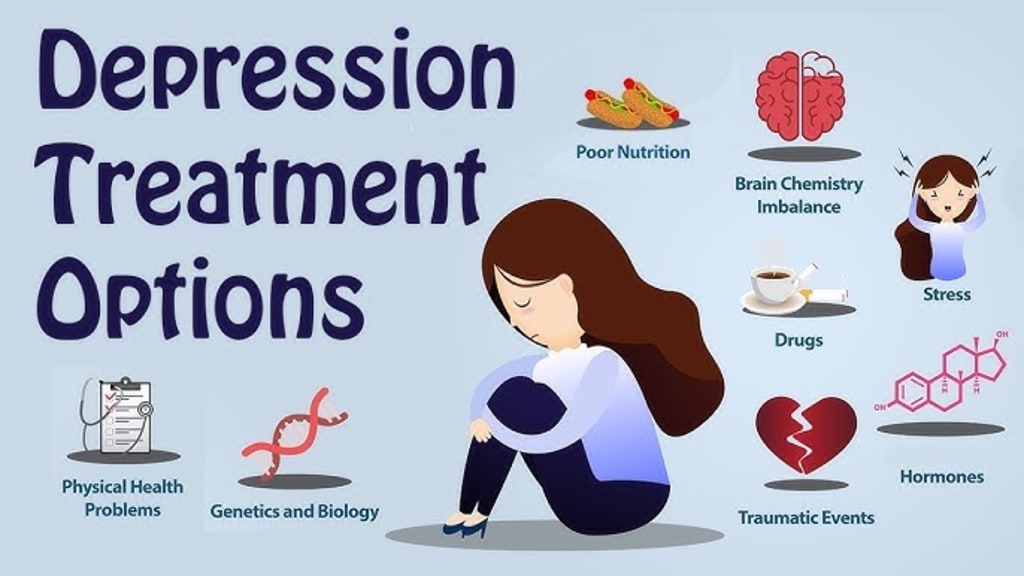
Depression is the most common mental illness in the world, affecting millions of individuals of all age groups. Not only persistent gloominess, depression is also characterized by a loss of interest in things once enjoyed, appetite or sleep disturbances, difficulty concentrating, and worthlessness or hopelessness. Though drugs may be used in treatment, therapy has been one of the most effective, long-lasting ways of managing depression. It can be understood how individuals can heal and gain control over their mental well-being by knowing that therapy plays a part.
Understanding Depression
Depression is not a temporary mood shift or reaction to a bad day. Depression is an illness that affects how an individual thinks, feels, and manages the tasks of day-to-day life. The etiology of depression is complex and can include:
Biological etiologies: Genetics, brain chemistry, and endocrine imbalance.
Psychological etiologies: Dysfunctional thinking patterns, traumatic experiences unresolved, or low self-esteem.
Environmental etiologies: Major life changes, lack of social support, or prolonged adversities.
As depression is caused by the interplay of these causes, treatment also needs to be multi-faceted. Therapy comes into play at this point.
Why Therapy Is Important When Treating Depression
Medication may make the symptoms more manageable, but generally fails to treat the core psychological and behavioral causes of depression. Therapy provides techniques for dealing with thoughts, feelings, and behaviors, developing enduring strength.
Finding Root Causes
Therapy allows individuals to explore the underlying causes of their depression — either trauma, unresolved grief, relationship problems, or chronic stress.
Learning Coping Skills
Practically applicable skills are learned by therapists to manage feelings of being overwhelmed, reduce negative thoughts, and improve problem-solving skills.
Shattering Distorted Thought Patterns
Depression has a tendency to reinforce distorted thinking patterns such as "I am worthless" or "Nothing will ever get better." Therapy undoes these and replaces well-balanced perceptions.
Improving Interpersonal Relations
Depression affects relationships. Therapy helps the patient communicate more effectively, set healthy boundaries, and rebuild supportive relationships.
Prevention of Relapse
One of the best things about therapy is relapse prevention. By acquiring skills for a lifetime, individuals can deal with challenges down the line without backsliding into depression.
Types of Therapies for Depression
The therapies differ in their approaches towards addressing depression. Some of the most effective therapies include:
1. Cognitive Behavioral Therapy (CBT)
CBT is one of the most widely used evidence-based therapies. It focuses on identifying and changing negative thought patterns and behaviors that contribute to depression. For example, if someone believes “I’m a failure,” CBT challenges that thought and replaces it with realistic, self-supportive beliefs.
2. Interpersonal Therapy (IPT)
Depression generally affects relationships. IPT discusses how one's mood fits with what is occurring in their life, conflicts, or role changes. It is about improving communication and establishing a supportive network of friends and relatives.
3. Psychodynamic Therapy
Psychodynamic therapy looks into unconscious patterns, unsolved childhood problems, and emotional conflicts. It provides insight on how the past has shaped current feelings and behaviors.
4. Mindfulness-Based Cognitive Therapy (MBCT)
MBCT combines cognitive therapy and mindfulness meditation. MBCT is especially helpful in relapse prevention in people who have recurrent depression because it causes them to observe thoughts without judgment.
5. Group Therapy
It is easier to feel less alone when one shares experiences with others who suffer from the same issues. Group therapy also allows one to learn coping skills with the assistance of peers.
6. Family or Couples Therapy
Since depression not only impacts the patient but also the person who takes care of him or her, family or couples therapy improves relationships' awareness, support, and communication.
How Therapy Sessions Work
Typically, weekly sessions of therapy take 45–60 minutes. In the first sessions, the therapist does a history, discusses symptoms, and sets treatment goals with the patient. Over time, sessions focus on developing skills, feeling emotions, and learning healthier ways to cope.
The therapist provides a safe, confidential environment where individuals can talk freely without criticism. This sense of acceptance alone can be quite healing.
Real-Life Example
Meera was a 28-year-old school teacher who was plagued by persistent sadness, fatigue, and loss of motivation. Despite her family's support, she felt isolated and that she was "a burden to everyone." When she went to see a therapist, her therapist was able to demonstrate to her how perfectionism and self-criticisms were fueling her depression. With CBT techniques, Meera was able to break her negative self-talk and 'replace' it with healthy positive affirmations. She began to set realistic goals, was mindfully practicing, and got involved in some of her old hobbies once again. Within months, she reported improvement and was hopeful about her future.
The Therapist's Role
Therapists have a number of roles during the recovery process:
Guide: Helping people to become aware of their feelings and thought patterns.
Supporter: Empathic and validating.
Teacher: Teaching patients coping skills.
Motivator: Encouraging incremental progress and small successes.
Therapy is not giving advice but empowering individuals to come up with solutions and regain control of their lives.
Challenges in Therapy
Though therapy is most helpful, there could be obstacles:
Stigma: Individuals do not want to go for therapy due to myths about mental illness.
Cost and Accessibility: Therapy is not always within reach or cheap everywhere.
Commitment: Therapy is time-consuming, demanding effort and persistence.
Resistance: Some individuals find it hard to be honest and discuss painful experiences.
Despite these obstacles, persistence usually leads to significant improvement.
Adding Therapy to Other Treatments
For moderate to severe depression, therapy is often supplemented by:
Medication (antidepressants).
Lifestyle changes (exercise, sleep, diet).
Support groups and self-care practices.
This integrated approach addresses both the biological and psychological components of depression.
Long-Term Benefits of Therapy
Therapy's impact is deeper than just easing current symptoms. It helps people to:
Become resilient.
Build stronger relationships.
Gain more knowledge about themselves.
Make better decisions and problem-solve.
Live a more contented, well-balanced life.
Final Thoughts
Therapy is not a fix-it attitude but a process of change. It provides a safe place to work through feelings, uncover underlying issues, and acquire improved thinking and behavior patterns. For every individual who is depressed, therapy is an opportunity at hope and healing. It is courageous to seek assistance, and with the correct care, there can be joy and purpose returned to one's life.
For further details and expert guidance, visit:
About the Creator
Keep reading
More stories from Naveen Garg and writers in Education and other communities.
What Is the Role of Sleep in Mental Health?
Sleep is thought of as an inactive process, but it is one of the most active processes for maintaining healthy body and mind. Just like food and water are needed to continue living, quality sleep is also important for brain functionality, emotional health, and long-term health. When sleep is neglected, it does not merely lead to tiredness — it significantly influences mental well-being, predisposing it to anxiety, depression, stress, and even serious psychiatric disorders. Understanding the association between sleep and mental health is at the heart of building healthier lives.
By Naveen Garg5 months ago in Education
5 signs you're a good driver
As one of the agency’s best employees, you’ve been selected as a finalist to potentially take on a new top-secret mission. You've already shown your aptitude for surveillance and disguise, but the agency is looking to test one last critical skill: how well you can drive. To prove yourself, you’ll need to complete a series of complicated challenges behind the wheel. As the test begins, you notice that the distances between yourself and the cars around you are being meticulously monitored. One of the most widely recommended strategies when it comes to safe driving
By Munesh Yadavabout 21 hours ago in Education
The Comfort of Arrival: Why Certain Destinations Instantly Feel Familiar
There are moments in travel that defy logic. You arrive in a place you have never visited before, step onto its streets, breathe in its air, and suddenly feel at ease. There is no adjustment period, no sense of being out of place. Instead, there is a quiet recognition, as if the destination has been waiting for you. This feeling of instant belonging is not accidental, nor is it purely romantic imagination. It is the result of emotional, cultural, psychological, and environmental factors working together to create a sense of home far from home.
By Producer James Simon7 days ago in Education


Comments
There are no comments for this story
Be the first to respond and start the conversation.