
How can therapy assist people with managing depression and restoring emotional equilibrium?
Therapy assists people

Depression is the most common mental health disorder globally, and it affects millions of individuals within various ages, cultures, and life conditions. It is not only feeling down or having a low mood for a short while; depression is a multifaceted syndrome involving persistent hopelessness, low energy, loss of interest in things that one used to enjoy, and intellectual problems like not being able to concentrate or make decisions. In extreme cases, depression leads to suicidal ideation or behavior. Though depression may be severely debilitating, therapy has a route to healing, emotional equilibrium, and long-term mental health.
Therapy offers individuals a secure, private, and nonjudgmental space to uncover the causes of depression, gain insight into their emotional lives, and acquire effective coping strategies. It is a systematic process where the therapist and the patient collaborate to treat both the psychological and behavioral components of the disorder. The final objective is not just symptom alleviation but to empower the individual to lead a meaningful and satisfying life, in spite of the hardships that depression can bring.
Understanding Depression
Depression is complex and usually determined by biological, psychological, and social issues. On a biological level, neurochemical imbalances in the brain can disrupt mood regulation, while genetic predisposition may enhance vulnerability. On a psychological level, unresolved trauma, chronic stress, low self-esteem, and pessimistic thinking styles contribute to its development and maintenance. Social issues like loneliness, relationship problems, economic distress, and cultural pressures can compound depressive symptoms.
Therapy assists people to see these interlinking dimensions and realize that depression is not a failure. This realization is the point of departure for self-compassion, which is critical to recovery.
1. Cognitive-Behavioral Therapy (CBT) for Depression
CBT is an evidence-based therapy technique that is commonly applied to depression. The underlying principle of CBT is the interdependence of thoughts, feelings, and actions. Depressed patients tend to have negative thought patterns—catastrophizing about situations, internalizing failures, or brooding over perceived inadequacies.
In CBT, counselors help clients recognize such distorted thoughts and substitute them with healthier and more balanced views. For instance, someone who thinks, "I always fail; nothing ever goes right for me," learns to reformulate it to, "I have had setbacks in the past and worked things out; failures are a chance to learn." Gradually, this modification diminishes depressive affect and enhances more adaptive behavior, leading to better mood and self-efficacy.
2. Behavioral Activation
Withdrawal from activities that are pleasurable or satisfying often follows depression. Avoidance creates a loop: not doing things leads to greater isolation and worsening mood. One of the therapeutic interventions that promotes clients to become involved in activities again is behavioral activation.
Therapists assist clients in developing organized schedules incorporating activity or meaningful tasks. Even modest gains, for example, a walk outside or talking with a friend, can produce positive reinforcement and overcome depressive inertia. In the long run, behavioral activation builds motivation, energy, and success, ending the vicious cycle of despair and inactivity.
3. Interpersonal Therapy (IPT)
Depression may have a lot of impact on relationships, and tense relationships may increase symptoms of depression. Interpersonal Therapy (IPT) aims to enhance communication, solve conflicts, and optimize social support.
Clients investigate patterns within their relationships, recognize interpersonal problems leading to depression, and acquire competencies to enhance relationships. Enhancing social connections minimizes perceptions of loneliness and isolation, which are prevalent in depression. Being understood and supported within one's social setting is a strong buffer against depressive recurrences.
4. Mindfulness-Based Therapies
Mindfulness exercises such as Mindfulness-Based Cognitive Therapy (MBCT) have been found to be efficient in treating depression. Mindfulness helps individuals watch thoughts and feelings without judgment, promoting presence and acceptance.
Rather than dwelling on past disappointments or fearing the future, clients are taught to live in the moment. This exercise lowers stress levels, increases emotional control, and decreases the strength of undesirable thought patterns. When paired with CBT or other therapies, mindfulness enhances resilience and provides people with skills that last a lifetime to cope with depression.
5. Psychodynamic Therapy
Psychodynamic therapy investigates the unconscious struggle and unresolved emotional experience leading to depression. Most people internalize early negative messages that cause long-term guilt, shame, or feelings of inadequacy.
By reflective conversation, the therapist assists clients to reveal such underlying issues, work through unresolved affect, and create healthier self-concepts. Psychodynamic therapy encourages insight and emotional change, allowing individuals to become aware of patterns that perpetuate depression and make intentional decisions to alter them.
6. Developing Emotional Awareness and Regulation
Depression usually disrupts emotional sensitivity, causing people to repress or disengage from feelings. Therapy encourages clients to become aware of, accept, and work with emotions in a healthy way.
Emotional intelligence development enables people to react to challenging experiences with compassion instead of avoidance or self-criticism. Emotional regulation strategies, such as journaling, relaxation, and guided imagery, enable clients to better manage mood swings and stress.
7. Building Self-Compassion and Self-Worth
Depression frequently erodes self-esteem, leaving individuals feeling unworthy or undeserving of happiness. Therapy fosters self-compassion, teaching clients to treat themselves with kindness and patience rather than harsh criticism.
Therapists guide individuals to challenge negative self-beliefs and recognize their intrinsic value. Over time, self-compassion reduces guilt, shame, and self-blame—promoting emotional healing and resilience.
8. Lifestyle Integration and Preventive Strategies
Therapy focuses on the interplay between mind and body. Therapists frequently give advice on sleep habits, physical exercise, diet, and stress reduction, all of which help stabilize the mood.
Moreover, clients become educated in the prevention of relapses of depression. These include identifying warning signs, fostering social support, mindful living, and following healthy behaviors outside of the therapy session.
9. When Used with Medication
For mild to severe depression, therapy is frequently used in conjunction with medication under the care of a psychiatrist. Medication can level out brain chemistry and help minimize severe symptoms, but therapy works on behavioral, cognitive, and emotional patterns. Such a combined system of care offers thorough support and enhances the chances for long-term healing.
10. The Healing Power of Therapy
Long-term gains from therapy for depression go far beyond symptom management. Clients commonly find:
Increased self-knowledge and understanding of thought processes
Better emotional management and resilience
Reconnection with values, purpose, and pleasure
Stronger relationships and social support networks
Greater motivation and capacity to do things that matter
Long-term coping skills to avoid subsequent depressive episodes
In the end, therapy changes one's relationship to themselves and the world. It fosters hope, empowerment, and the ability to live life's challenges with resilience and clarity.
Conclusion
Depression is a complex illness that needs to be treated with compassion and evidence-based care. Therapy offers the skills, knowledge, and support needed to resolve the origins of depression, control symptoms, and develop emotional health. It enables individuals to take back control, restore self-esteem, and re-engage with life's fulfilling experiences.
If you or someone close to you is battling depression, turning to professional help is a brave and necessary step towards recovery. Highly qualified therapists at Delhi Mind Clinic offer individualized care, combining therapeutic approaches and mindfulness strategies to empower individuals to beat depression and reattain emotional equilibrium.
About the Creator
Keep reading
More stories from Naveen Garg and writers in Education and other communities.
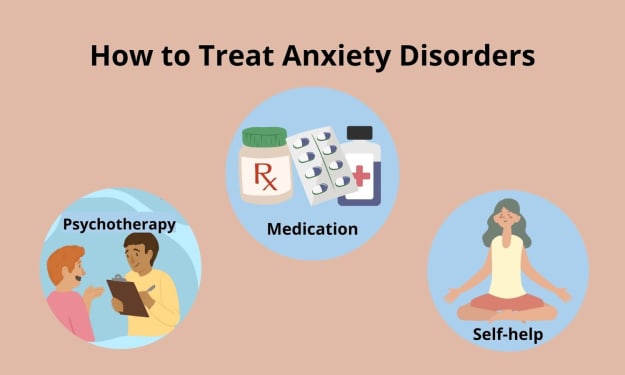
How can therapy help individuals with anxiety disorders?
Anxiety disorders are among the most common mental disorders, affecting millions of people around the world. They are mild and situational or disabling and severe, often interfering with normal functioning, relationships, and quality of life. Transitory anxiety is a normal part of being human, but excessive and pervasive anxiety signals a problem requiring explanation and solution. The most useful and lasting way of treating anxiety disorders is possibly by way of therapy — a treatment that not only erases symptoms but also educates individuals in lasting ways of coping and emotional resilience.
By Naveen Garg3 months ago in Education
Hosting a Book Fair
How many of you remember the “best week ever!” from when you were a child? Book fairs were the staple of many of our childhoods with Scholastic leading the way. While there are many choices for book fairs today and I absolutely want to talk about them, that’s going to be a later article.
By Reb Kreyling5 days ago in Education
Communicating with Confidence: Building Trust Through Simplicity
Trust is the cornerstone of any meaningful relationship, whether professional or personal. At the heart of trust lies the ability to communicate clearly. People naturally respond to straightforward, reliable, and easy-to-understand information. Professionals who prioritize clarity establish credibility and foster confidence in others. Clients, colleagues, and partners feel assured that they can make informed decisions when the messages they receive are transparent and well-articulated.
By Stacey Yim3 days ago in Education



Comments
There are no comments for this story
Be the first to respond and start the conversation.