
How can therapy help individuals with anxiety disorders?
Anxiety disorders
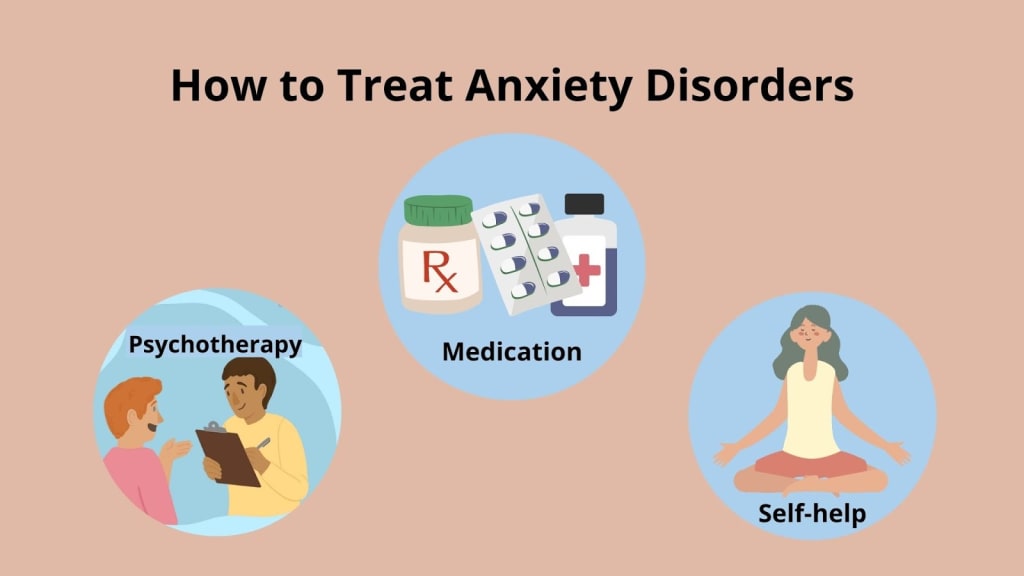
Anxiety disorders are among the most common mental disorders, affecting millions of people around the world. They are mild and situational or disabling and severe, often interfering with normal functioning, relationships, and quality of life. Transitory anxiety is a normal part of being human, but excessive and pervasive anxiety signals a problem requiring explanation and solution. The most useful and lasting way of treating anxiety disorders is possibly by way of therapy — a treatment that not only erases symptoms but also educates individuals in lasting ways of coping and emotional resilience.
Therapy is a secure, personal, and nonjudgmental environment where one can explore their fears, emotions, and thinking with the assistance of a skilled professional. Therapy is a worked-out path towards self-awareness and healing that helps clients come to an understanding of the reasons for their anxiety and learn useful strategies with which to manage it successfully. Let us understand in detail how therapy aids those who are afflicted with anxiety.
1. Understanding Anxiety and Its Impact
Before exploring how therapy helps, it’s important to understand what anxiety is. Anxiety is more than just worry or nervousness—it’s a complex emotional and physiological state that can manifest through racing thoughts, muscle tension, restlessness, sleep problems, and even panic attacks. For some, it’s triggered by specific situations such as social interactions or performance expectations; for others, it persists without an obvious reason. Over time, untreated anxiety can devastate confidence, strangle relationships, and construct physical illness.
Counseling enables individuals to realize that anxiety is not weakness but a condition that can be treated. Through education about how anxiety operates—how thoughts, emotions, and body states collaborate—clients begin to reassert mastery of their internal landscape.
2. Cognitive-Behavioral Therapy (CBT): Rewiring the Thought Process
Cognitive-Behavioral Therapy or CBT is the gold standard for the treatment of anxiety disorders. The main hypothesis of CBT is that our thoughts determine our emotions and actions. When individuals suffer from long-standing anxiety, they tend to get into the habit of catastrophic or distorted thinking—thinking that disastrous things will inevitably happen or that they are unable to deal with uncertainty.
A CBT therapist helps one identify these nonsensical thought patterns and replace them with healthier, more balanced ones. For instance, instead of thinking, "I am going to fail in this presentation and everyone will think I am incompetent," an individual is taught to reframe it as, "I've rehearsed well, and even if I make mistakes, that will not determine my competence."
Through frequent practice, CBT reconditions the brain to respond to stress with logic and calmness rather than horror and alarm. The shift provides for stunning reductions in symptoms of anxiety and allows individuals to cope better with problems in life.
3. Exposure Therapy: Gradually Facing Fears
Avoidance is a common symptom of anxiety disorders. People avoid things that trigger fear—being in the public eye, flying, parties—temporarily reducing but ultimately sustaining anxiety. Exposure therapy, a spin-off of CBT, breaks this cycle by gradually and safely exposing people to what they fear.
For example, a person with a phobia of elevators would begin by picturing themselves in an elevator, then watching videos, and finally brief elevator rides. Over time, the brain learns to accept the situation that has been feared as less intense than it had expected. Gradual desensitization results in confidence being restored and areas of life reclaimed by anxiety.
4. Acceptance and Commitment Therapy (ACT): Accepting, Rather Than Resisting Anxiety
While CBT entails the alteration of thoughts, Acceptance and Commitment Therapy (ACT) assists people in acknowledging their anxiety in a non-judgmental fashion. Rather than struggling with anxiety or trying to suppress it, ACT assists people in living by what they value and allowing anxious thoughts to pass naturally.
Mindfulness practices have the largest impact in ACT. Mindful awareness enables clients to observe their thoughts and body sensations as temporary events rather than real states. For example, rather than having the thought, "I must not get anxious before I go to that function," ACT would rewrite it as, "I can be anxious and still go." This acceptance reduces the battle with emotions and allows individuals to keep on living, even with anxiety.
5. Psychodynamic Therapy: Treating the Root Causes
Most of the time, anxiety goes hand in hand with unresolved emotional issues, traumas, or unhealthy relationships. Psychodynamic therapy gets to the bottom of these root causes by exploring the unconscious operations and childhood experiences that cause contemporary anxiety patterns.
For instance, someone who grew up in a critical or unstable setting could have internalized a pervasive sense of fear or insufficiency. During therapy, revelations about these underlying emotions allow for healing and self-knowledge. Psychodynamic therapy promotes awareness of the emotions, allowing people to know not just what they feel but why they feel it.
6. Mindfulness and Relaxation-Based Therapies
Mindfulness-based therapies, such as Mindfulness-Based Stress Reduction (MBSR), teach individuals to stay present in the here and now instead of dwelling on the past or worrying about what has not happened yet. Breathing exercises, meditation, and progressive muscle relaxation all manage the body's stress response.
With regular practice, mindfulness reduces the physiological arousal of anxiety—slowing down heart rate, lowering blood pressure, and relaxing muscle tension. Clients gain better insight into their thoughts and respond with calmness instead of reactivity.
7. The Power of Emotional Validation and Therapeutic Support
One of the most commonly overlooked aspects of therapy is emotional validation. Individuals with anxiety typically feel invalidated by others who tell them to "relax" or "stop worrying." In therapy, individuals are finally heard and validated. The therapist hears without judgment, validates their struggle, and provides grounded counsel. This validation alone can be incredibly therapeutic and leave clients feeling heard, accepted, and validated.
Therapists also help clients develop self-compassion—teaching them that it's o.k. to struggle and healing is a process. The shift away from self-criticism and towards self-kindness can come a long way in helping mental health.
8. Medication with Therapy
In other situations, therapy may be insufficient—especially for acute or debilitating anxiety. Psychiatrists may prescribe anti-anxiety or antidepressant medication to stabilize mood and normalize brain chemistry. With such situations, optimal results arise with integrated treatment in which therapy and medication work synergistically.
While medicine can reduce symptoms, therapy enables one to learn skills for a lifetime to deal with anxiety and avoid relapse. Both methods include the biological and psychological roots of anxiety.
9. Resilience and Relapse Prevention
Therapy does not merely treat anxiety—it equips individuals with skills necessary to maintain long-term emotional well-being. Clients learn to identify early warning signs of stress, use coping skills, and develop balanced routines supportive of mental stability.
Therapists may recommend journaling, mindfulness, regular physical exercise, healthy sleeping patterns, and realistic goal-setting. These activities improve people's emotional strength and make them less vulnerable to future anxiety attacks.
10. When to Seek Therapy
If anxiety starts affecting your day-to-day life—leading to avoidance, sleep disruption, irritability, or excessive worry—it's time to find professional assistance. Early treatment prevents anxiety from growing into depression or panic disorder. Therapy is not only for emergencies; it's a preventive measure toward mental health and self-awareness.
11. The Healing Environment of Professional Support
Therapy is not technique—it's human relationship. The healing place of a trusting therapist-client relationship is where the repair and growth take place. Within the nurturing environment of this relationship, individuals learn to move toward fear without being overwhelmed by it. They grow in confidence, understanding, and ability to live full, integrated lives.
If you or a loved one is dealing with anxiety, remember that help is available and recovery is possible. Making an appointment is an act of courage and self-care towards a state of tranquility.
For compassionate, evidence-based counseling, visit Delhi Mind Clinic, where experienced psychologists and psychiatrists specialize in anxiety disorder treatment using individualized therapy, mindfulness, and integrated care programs.
Website: https://www.delhimindclinic.com/
About the Creator
Keep reading
More stories from Naveen Garg and writers in Education and other communities.
In what ways does therapy help individuals develop self-esteem and self-confidence?
Self-esteem and self-image are the foundation of our emotional well-being. They are what motivate what we think, feel, and do every day. People with healthy self-esteem tend to approach challenges with optimism, set realistic standards for themselves, and recover more quickly from setbacks. When self-esteem is low, people have difficulty with self-doubt, perfectionism, or a constant fear of failure. This can lead to anxiety, depression, and difficulty in forming healthy relationships.
By Naveen Garg3 months ago in Education




Comments
There are no comments for this story
Be the first to respond and start the conversation.