
How AI Is Changing the Way We Work
A New Era of Hope and Challenges

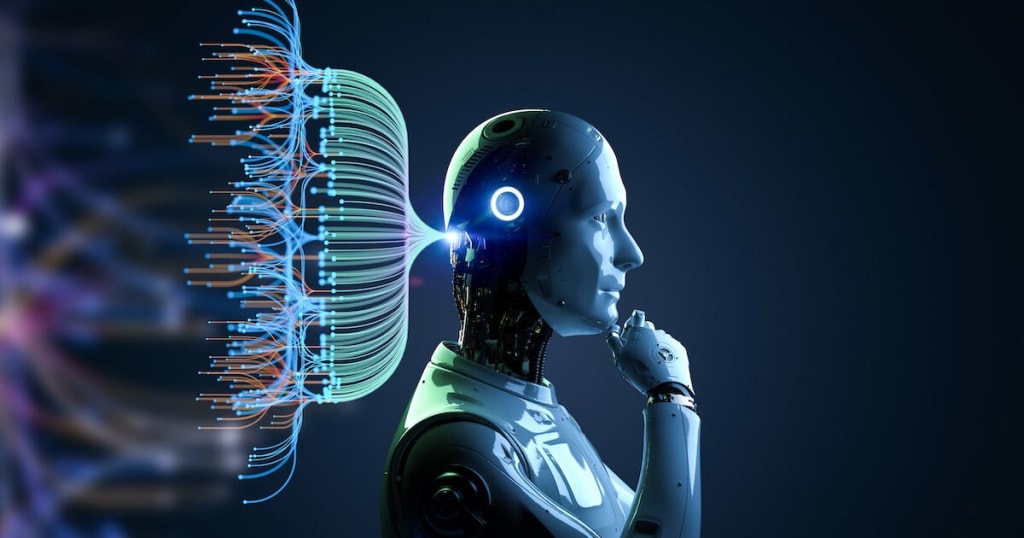
In recent years, artificial intelligence (AI) has woven itself into the fabric of our daily lives, quietly transforming how we work. It’s no longer a futuristic dream or the plot of a sci-fi movie—it’s here, and it's changing everything. For many of us, AI’s influence can feel like a mix of excitement and uncertainty. It promises to make our work easier, more efficient, and even more creative, but it also raises questions about the future of jobs and what role we will play in this new landscape.
A Helping Hand, Not a Replacement
Imagine waking up on a busy Monday morning, but instead of feeling the usual rush, you’re greeted with a sense of calm. Your virtual assistant has already sorted your emails, scheduled your meetings, and even drafted your reports. It’s not just wishful thinking—this is how AI is stepping in to help. Tasks that used to take hours can now be done in minutes, giving us back precious time to focus on what truly matters.
For those working in creative fields like writing, designing, or video editing, AI tools can be a blessing. They help generate ideas, streamline editing, and even suggest improvements. Rather than replacing creativity, AI complements it, offering new ways to think and create. It’s like having a smart assistant who’s always ready to lend a hand, offering new insights when you hit a mental block.
But while AI can handle repetitive tasks and boost our productivity, it can’t replace the human touch. A poem written by a machine might rhyme, but it lacks the emotion that comes from lived experiences. A chatbot can answer questions, but it can’t feel empathy like a human customer service agent. AI is powerful, but it’s not a substitute for the unique qualities that make us human.
The Fear of Losing Jobs
Still, there’s a shadow that looms over AI’s promise—a fear that it might take our jobs. Automation is reshaping industries, from manufacturing to customer service, and it’s normal to feel anxious about what that means for job security. The rise of AI has sparked concerns that many jobs might disappear, leaving people behind in a world that’s racing ahead with technology.
It’s a genuine fear, and it’s one that we can’t ignore. But history shows us that every technological leap—from the steam engine to the internet—has come with similar concerns. Yet, each time, humans have adapted. New types of work emerge, and with them, new opportunities for growth and learning. The key is to stay open to change and to keep learning new skills. It’s not easy, and it can be scary, but it’s also a chance to redefine what work means.
A Chance to Focus on What Matters
One of the most profound ways AI is changing the way we work is by shifting our focus back to what truly matters. By taking over mundane, time-consuming tasks, AI allows us to invest our energy in more meaningful work. Think about teachers, doctors, or social workers—professions that require a deep connection with people. AI can handle the paperwork, the scheduling, and the analysis, freeing up these professionals to spend more time doing what they do best: caring for others.
For businesses, this shift can lead to happier employees and better results. When workers aren’t bogged down by tedious tasks, they can focus on innovation, problem-solving, and building stronger relationships with customers. It’s a reminder that technology doesn’t have to strip away the human side of work—it can actually bring it back.
The Need for Balance
Yet, even with all its benefits, AI isn’t without its challenges. The convenience it offers can sometimes come at a cost. With AI, work can happen anywhere, at any time, blurring the lines between our personal and professional lives. It’s easy to fall into a cycle where we’re always reachable, always working, and never truly resting. This constant connectivity can leave us feeling exhausted, even if the work itself is more efficient.
It’s a reminder that as AI reshapes the way we work, we need to find balance. We need to set boundaries, take breaks, and remember that we are more than our jobs. AI can be a powerful tool, but it’s up to us to ensure that it doesn’t take away our humanity. We have to decide how we use this technology and how it fits into our lives.
A Hopeful Future
As AI continues to evolve, it’s clear that it will play a huge role in shaping the future of work. There will be challenges, and there will be fears, but there’s also a lot of hope. AI can help us be more creative, more efficient, and more connected. It can bring us closer to the work that truly inspires us, giving us the time and space to pursue our passions.
In a world where technology is advancing faster than ever, it’s easy to feel like we’re being left behind. But AI doesn’t have to be something we fear—it can be something we embrace. It’s a reminder that change is inevitable, but it’s also an opportunity. An opportunity to grow, to learn, and to redefine what work means to us.
So as we look to the future, let’s not forget the power of the human spirit. Let’s use AI as a tool to build a better, more compassionate world. Let’s remember that behind every line of code and every algorithm, there’s a person—someone with hopes, dreams, and a desire to make a difference. AI might be changing the way we work, but it’s up to us to decide how it changes our lives.
About the Creator
Keep reading
More stories from simora akter and writers in Education and other communities.
AI vs. Human Creativity
In the last few years, artificial intelligence (AI) has been making headlines, transforming everything from healthcare to finance. But one question lingers in the minds of artists, writers, musicians, and creators: can AI replace human creativity? This question isn't just about technology. It’s deeply personal, emotional, and touches on what it means to be human.
By simora akterabout a year ago in Education
How to Implement Digital Signage in Your Pharmacy
I'll never forget the first time I walked into a pharmacy with digital signage displays showing real-time prescription wait times and health tips. As someone who'd spent years waiting in line wondering how much longer I'd be there, seeing that information displayed so clearly felt revolutionary. That experience stuck with me, and when I later helped my cousin implement digital signage in her independent pharmacy, I realized just how transformative this technology could be for both pharmacy owners and customers.
By Jerry Kane 2 days ago in Education
Prevention First: How Proactive Medical Care Builds Stronger Communities
Preventive medical care plays a critical role in shaping healthier communities. When people receive care before illness develops, they avoid many severe conditions. This approach improves quality of life and reduces strain on healthcare systems. Moreover, prevention supports long-term wellness rather than short-term treatment. Communities that prioritize preventive care experience lower rates of chronic disease. As a result, individuals remain active and productive. Preventive care, therefore, serves as the foundation for sustainable public health.
By St. John's Community Health5 days ago in Education


Comments
There are no comments for this story
Be the first to respond and start the conversation.