
How AI is Being Used to Predict Diseases from Genomic Data
In recent years, Artificial Intelligence (AI) has made tremendous strides in healthcare, particularly in the field of genomics. By combining powerful machine learning algorithms with vast amounts of genetic information, researchers and clinicians can now identify disease risks at an earlier stage and develop personalized treatment plans more effectively. In this post, we’ll explore how AI is being used to predict diseases from genomic data, why it’s important, and what the future holds for this exciting area of healthcare.
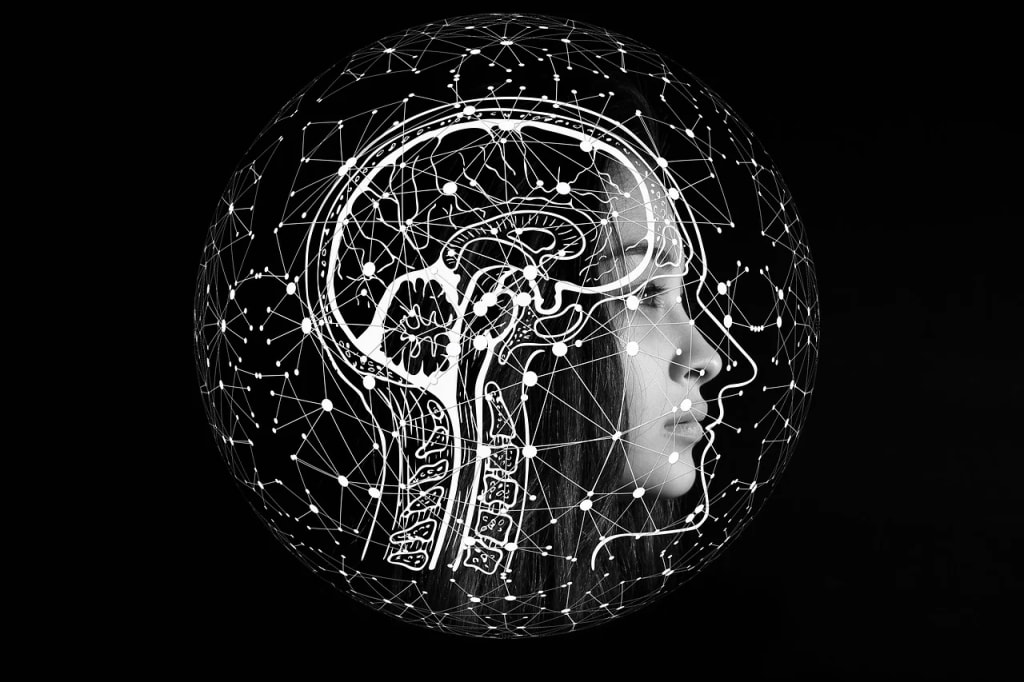
1. Introduction to Genomic Data and AI
Genomic data refers to the complete set of genetic information found in an organism’s DNA. For humans, this includes over three billion base pairs containing instructions that determine traits, disease risks, and more. Analyzing this data manually or through traditional computational methods is time-consuming and often insufficient. This is where Artificial Intelligence (AI) comes into play.
AI algorithms can sift through vast quantities of genomic data at a speed and accuracy level unattainable by humans. This results in a more precise understanding of genetic markers that indicate predisposition to certain diseases. From cancer prediction to rare genetic disorders, AI-driven genomic analysis is transforming the way healthcare professionals approach disease prevention and management.
2. Why Use AI to Predict Diseases from Genomic Data?
Data Complexity
Genomic data is extremely complex. AI’s ability to handle high-dimensional and unstructured data makes it uniquely suited to work with genetic information.
Early Detection
By spotting subtle genetic mutations early on, AI can help in the early detection of diseases like cancer, Alzheimer’s, and cardiovascular conditions, significantly improving patient outcomes.
Personalized Medicine
Precision medicine tailors treatments based on an individual’s unique genetic makeup. AI ensures that the most relevant data points are considered, allowing healthcare providers to recommend more effective therapies with fewer side effects.
Scalability and Efficiency
Machine learning models can rapidly process large genomic datasets, cutting down analysis time from months to hours or even minutes, making population-wide genomic screening more feasible.
3. Key AI Techniques for Disease Prediction
Machine Learning (ML)
Supervised Learning: Algorithms are trained on labeled genomic datasets to differentiate between healthy individuals and those with specific genetic disorders.
Unsupervised Learning: Used to identify hidden patterns or clusters in genomic data without predefined labels, enabling the discovery of novel disease markers.
Deep Learning
Neural networks with multiple layers can find complex patterns in genomic sequences. They excel at identifying rare genetic mutations and predicting disease progression.
Natural Language Processing (NLP)
Although primarily used for text, NLP algorithms can parse genetic reports, scientific literature, and medical records to cross-reference findings and improve overall diagnostic accuracy.
Reinforcement Learning
This approach allows AI models to learn through trial and error. While not as common in genomics yet, it has potential for refining disease prediction models continuously as new data is added.
4. Applications of AI in Genomic Disease Prediction
Cancer Genomics
AI algorithms can quickly identify genetic mutations associated with different types of cancer, aiding in early detection and more targeted therapies. For example, in breast cancer research, machine learning models detect BRCA1 and BRCA2 gene variants, offering insights into patients’ risk levels.
Rare Genetic Disorders
Traditional methods of diagnosing rare diseases can be lengthy and imprecise. AI-driven genomic analysis shortens this process, ensuring timely diagnosis and management. Early identification of disorders such as Cystic Fibrosis or Huntington’s disease can greatly improve patient quality of life.
Pharmacogenomics
By analyzing how a patient’s genes affect their response to drugs, AI can help predict adverse drug reactions or poor efficacy. This paves the way for personalized treatment plans, optimizing dosages, and minimizing side effects.
Cardiovascular Diseases
Certain genetic markers can indicate susceptibility to heart conditions like coronary artery disease or arrhythmias. AI models can flag at-risk individuals, facilitating preventive measures and lifestyle adjustments to reduce future complications.
Neurodegenerative Disorders
Research into genetic causes of conditions like Alzheimer’s and Parkinson’s disease increasingly relies on AI to identify subtle genomic patterns. Earlier diagnosis allows for intervention strategies that can slow disease progression.
5. Challenges and Ethical Considerations
Data Privacy and Security
Genomic data is sensitive and highly personal. Handling this information responsibly—through secure data storage, encrypted communication, and compliance with regulations like HIPAA and GDPR—is vital for maintaining trust.
Bias in Datasets
AI models depend on the quality and diversity of the data they are trained on. Limited or skewed datasets can lead to biased results, potentially misrepresenting disease risks across different ethnic and demographic groups.
Interpretability of AI Models
Some deep learning models operate as “black boxes,” making it difficult for researchers and clinicians to understand the reasoning behind specific predictions. Enhancing model transparency is crucial for clinical acceptance and regulatory compliance.
Clinical Validation
Before deployment in healthcare settings, AI algorithms must undergo rigorous testing, including clinical trials, to confirm their accuracy and reliability.
6. The Future of AI-Driven Genomic Disease Prediction
AI is set to play an ever-increasing role in healthcare, and genomics is at the forefront of this revolution. Advances in computing power, data sharing, and the development of explainable AI methods will accelerate breakthroughs in disease prediction and personalized medicine. Collaboration between academic institutions, pharmaceutical companies, and technology firms will further streamline genomic research and bring new treatments to market faster.
In the long run, the integration of genomic data, AI, and electronic health records will enable truly personalized care, allowing practitioners to account for patients’ genetic predispositions, medical histories, and lifestyle factors—all in real time.
Conclusion
AI’s application in predicting diseases from genomic data is a game-changer for modern healthcare, offering earlier and more accurate diagnoses, personalized treatments, and improved patient outcomes. While challenges related to data privacy, biases, and interpretability remain, ongoing research and technological advancements promise to bring about revolutionary changes in how we understand and treat genetic conditions.
Key Takeaways
- AI excels in analyzing the complexity of genomic data, helping to detect diseases at an early stage.
- Personalization is at the heart of AI-driven genomic analysis, paving the way for tailored treatments.
- Ensuring ethical data use and addressing biases in AI models are critical steps in advancing genomic medicine.
- Continued collaboration and innovation will shape the future of disease prediction and prevention on a global scale.
- By harnessing the power of AI in genomics, we stand on the brink of a new era in healthcare—one marked by greater precision, efficiency, and hope for patients worldwide.
About the Creator
Keep reading
More stories from BioPractify Team and writers in Education and other communities.
Crazy Biotech Innovations That Sound Like Sci-Fi! 🚀🔬
1. 3D-Printed Human Organs 🏥🖨️ Imagine a world where organ transplants don’t require donors. Scientists are developing 3D-printed organs using bio-ink made from living cells. These organs could replace damaged ones, eliminating the need for long transplant waiting lists.
By BioPractify Teamabout a year ago in Education
Wheat Germ Oil and Its Role in Nutritional and Functional Applications
Wheat germ oil is a highly nutritious natural oil extracted from the germ of the wheat kernel. Although it represents only a small fraction of the wheat grain, the germ is the most nutrient-dense part, making wheat germ oil one of the richest sources of essential vitamins, antioxidants, and fatty acids. Over the years, wheat germ oil has gained significant attention across the food, cosmetic, pharmaceutical, and nutraceutical industries due to its health-promoting properties and versatile applications.
By Bobby Yadav3 days ago in Education




Comments
There are no comments for this story
Be the first to respond and start the conversation.