
Lighting the Path to the Future: The Transformation of Dubai South
CASE STUDY - DUBAI SOUTH
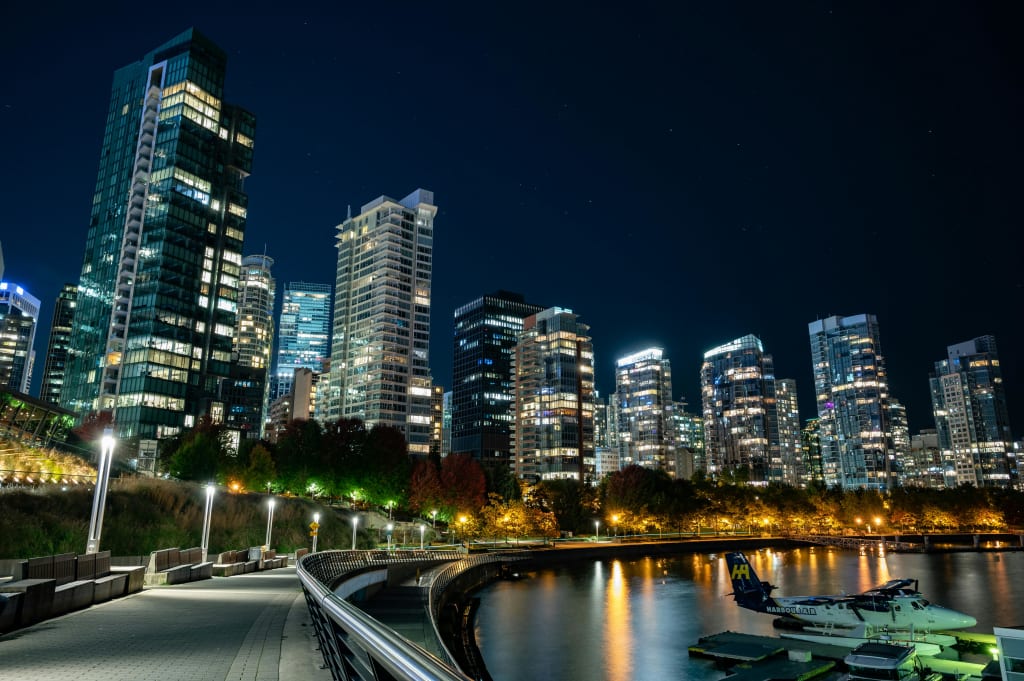
If you’ve driven out toward the Al Maktoum International Airport recently, you’ve likely felt the sheer scale of Dubai South. It’s not just a neighborhood; it’s an entire city-within-a-city, a massive 145-square-kilometer hub designed to be the soul of global aviation and logistics.
But as any urban planner (or frustrated driver) will tell you, a city is only as good as its infrastructure. As Dubai South continues to grow from a visionary blueprint into a bustling reality, one of its most critical upgrades has been happening right above our heads: a massive modernization of its street lighting.
It’s easy to ignore a street lamp until it’s flickering or out, but the shift to LED technology across Dubai South’s internal roads and corridors is doing much more .
The Massive Challenge of Lighting a "Mega-Hub"
Imagine trying to light a space that includes everything from high-speed arterial roads for heavy trucks to quiet residential streets and busy commercial plazas. Each of these areas has a different "personality" and different requirements.
In a place like Dubai South, the challenges are amplified by our environment. We aren’t just fighting darkness; we’re fighting:
Heat & Dust: The desert is a brutal testing ground. Standard equipment can bake in the summer sun or get clogged by fine sand.
Consistency: When you have miles of road, you can’t have "dark spots." Light needs to be perfectly uniform so drivers don't experience eye fatigue.
Scale: With thousands of lighting points, even a 5% inefficiency in a bulb can lead to massive energy waste over a year.
Why LED is the Only Real Choice
The modernization program at Dubai South has leaned heavily into LED technology. If you’re still using old-school high-pressure sodium lamps (the ones that give off that sickly orange glow), you’re essentially living in the past.
By switching to LEDs, Dubai South has unlocked some serious benefits. First, there’s the visual clarity. LEDs provide a crisper, whiter light that mimics daylight. This makes it much easier for security cameras to get a clear image and for drivers to spot hazards. Second, there’s the lifespan. You aren't sending a maintenance crew out every few months to swap a bulb. These systems are built to last for years, which is crucial when your infrastructure spans such a massive area.
The Secret Life of a Street Light Pole
We often think of the "light" as the high-tech part, but the street light pole is where the real engineering happens. In a development like Dubai South, you can't just stick a light on a cheap metal rod.
The poles being installed today are sophisticated pieces of equipment. They have to be structurally sound enough to handle wind loads (which can be surprisingly high in open desert areas) while being hollowed out and engineered to house complex cabling and smart controllers.
When you’re choosing a pole for a project this big, you have to look at:
Corrosion Resistance: Special coatings are needed to survive the humidity and salt-laden air.
Cable Management: Modern poles need easy-access panels so technicians can fix things without tearing up the pavement.
Stability: The pole needs to stay perfectly upright and steady, even if a heavy logistics truck rumbles past at 80 km/h.
The "Made in the UAE" Advantage
One of the most impressive things about the UAE’s recent infrastructure boom is the rise of local manufacturing. For a project as specific as Dubai South, you don't want to be ordering generic parts from a catalog halfway across the world. You want a partner who knows exactly what a Dubai summer feels like.
This is where companies like Lumenora come in. By operating their own in-house manufacturing units for street light poles, they can control the process from start to finish. If the project team at Dubai South needs a specific height to clear a logistics gate, or a particular finish to match the residential aesthetic, a local manufacturer can pivot and deliver.
Having that "in-house" control means you get consistency. Every pole in a batch of a thousand will have the same weld quality, the same paint thickness, and the same structural integrity. It removes the guesswork from public safety.
Thinking Ahead: The Smart City Connection
Dubai South wasn't built for 2026; it was built for 2050. That means the lighting infrastructure needs to be "future-proof."
The poles being put in the ground today aren't just holding up lamps; they are designed to be smart hubs. Many are already being equipped with—or are ready for—technologies like:
Centralized Management: A single dashboard where the city can see exactly which lights are on and how much power they’re using.
Sensor Integration: Poles that can eventually hold 5G nodes, air quality sensors, or even traffic monitoring cameras.
By investing in high-quality, adaptable poles now, Dubai South avoids the "rip and replace" cycle that plagues so many other cities around the world.
A Greener, Leaner Future
At the end of the day, this modernization is a win for the environment, too. Lower power consumption means a smaller carbon footprint, which aligns perfectly with the UAE’s sustainability goals. But beyond the "green" aspect, it’s about operational excellence. A city that works better, stays brighter, and costs less to maintain is a city where people want to live and do business.
The work being done in Dubai South is a blueprint for the rest of the region. It shows that when you combine the best of LED technology with rugged, locally manufactured hardware, you create a foundation that can support even the most ambitious urban dreams.
About the Creator
The Balanced Parent: Embracing Parenthood Without Losing Yourself
In today’s fast-paced society, the demands on parents have never been higher. From managing work deadlines to preparing meals and helping with homework, the modern parent juggles countless responsibilities daily. Amid all this, it’s easy to feel overwhelmed. Yet, being a hands-on parent is one of life’s most rewarding roles when approached with intention and heart.
By Alfonso Kennard5 days ago in Education




Comments
There are no comments for this story
Be the first to respond and start the conversation.