

Addiction is a chronic and often relapsing disorder that affects millions of people worldwide. It can manifest in various forms such as substance abuse, gambling, sex, internet, and even food. Addiction can lead to severe consequences such as impaired physical and mental health, strained relationships, financial problems, and legal issues.
The good news is that addiction is treatable, and recovery is possible. Healing from addiction requires a holistic approach that addresses the underlying factors that contribute to addiction, such as genetics, environmental factors, and mental health conditions. In this article, we will discuss some effective ways to heal addiction.
Seek professional help
The first step in healing addiction is to seek professional help. Addiction is a complex disorder that requires specialized treatment. A qualified addiction specialist can evaluate your condition and create a personalized treatment plan that addresses your specific needs. Treatment may involve a combination of medication, therapy, and support groups.
Attend support groups
Support groups can be a valuable resource for those in recovery. Support groups such as Alcoholics Anonymous (AA) and Narcotics Anonymous (NA) provide a safe and supportive environment where people can share their experiences, strengths, and hope. Attending support groups can help individuals in recovery feel less alone and more connected to others who are facing similar challenges.
Practice self-care
Practicing self-care is essential in healing addiction. Addiction can take a toll on physical and mental health, and self-care practices such as regular exercise, healthy eating, and getting enough sleep can help improve overall well-being. Engaging in activities that bring joy and fulfillment, such as hobbies and socializing with loved ones, can also promote healing and recovery.
Build a strong support systemHaving a strong support system is crucial in healing addiction. Surrounding oneself with supportive friends and family members who understand and encourage the recovery process can make all the difference. Building a strong support system can also involve finding a mentor or a sober coach who can provide guidance and support in the recovery journey.
Address underlying mental health conditions
Underlying mental health conditions such as depression, anxiety, and trauma can contribute to addiction. Addressing these conditions through therapy and medication can help individuals in recovery manage their symptoms and reduce the risk of relapse. It is essential to work with a qualified mental health professional to diagnose and treat any underlying mental health conditions.
Practice mindfulness and meditation
Practicing mindfulness and meditation can help individuals in recovery manage stress, reduce anxiety, and improve overall well-being. Mindfulness involves paying attention to the present moment without judgment, while meditation involves focusing the mind on a specific object or activity. Both practices can help individuals in recovery cultivate self-awareness, increase resilience, and enhance their overall quality of life.
Learn and practice coping skills
Learning and practicing coping skills is essential in healing addiction. Coping skills such as deep breathing, visualization, and positive self-talk can help individuals in recovery manage cravings and triggers. Other coping skills such as mindfulness, meditation, and exercise can also be effective in reducing stress and promoting overall well-being.
In conclusion, healing addiction is a challenging but achievable goal. It requires a holistic approach that addresses the underlying factors that contribute to addiction and promotes overall well-being. Seeking professional help, attending support groups, practicing self-care, building a strong support system, addressing underlying mental health conditions, practicing mindfulness and meditation, and learning and practicing coping skills are all effective ways to heal addiction. It is essential to remember that recovery is a journey, and relapse is a common occurrence. With persistence, determination, and support, anyone can achieve lasting recovery from addiction.
To learn more about this guide Click here
About the Creator
Adding Tech to Ed
Technology is reshaping education in ways that were unimaginable just a generation ago. While access to quality learning was once limited by geography, income, language, or physical ability, digital innovation is steadily removing many of those barriers. Today, technology is not simply enhancing classrooms—it is expanding who education is for, when it happens, and how it is experienced. By increasing flexibility, personalization, and inclusion, technology is making education more accessible to learners of all ages and backgrounds.
By Dennis Muizers Lovejoy4 days ago in Education
How smart are crows?
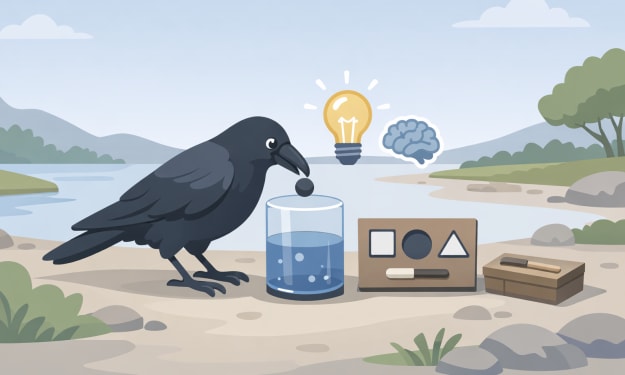
In one of Aesop’s 2,500-year-old fables, a crow is searching for water. It spies a pitcher and discovers liquid inside— but it's beyond reach. Soon, the crow begins dropping pebbles into the pitcher. One by one, they displace the water, and the crow quenches its thirst. Interestingly, this fable turns out to be pretty accurate. In a 2014 experiment, scientists placed a food reward in a tube partially filled with water and watched as crow after crow dropped stone after stone in until the food was in beak-snatching distance.
By Munesh Yadava day ago in Education



Comments
There are no comments for this story
Be the first to respond and start the conversation.