
Introduction
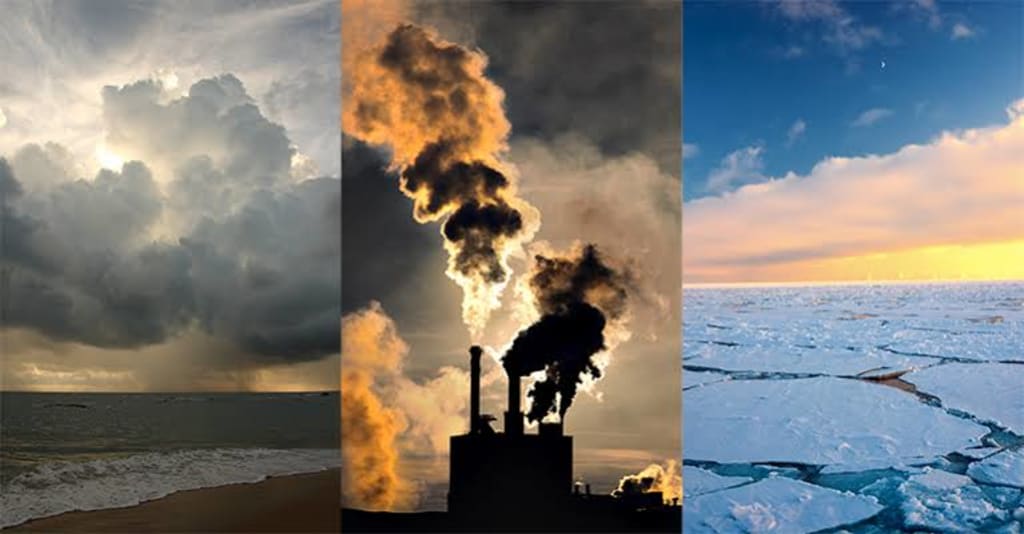
Global warming, a phenomenon characterized by the steady increase in Earth's average temperature, has become one of the most pressing issues of our time. It poses significant threats to our environment, ecosystems, and human societies. The scientific consensus is clear: human activities, primarily the burning of fossil fuels and deforestation, are the main contributors to this alarming trend. In this essay, we will delve into the causes and effects of global warming, the potential consequences for our planet, and the urgent need for collective action.
Causes of Global Warming
a. Greenhouse Gases: The greenhouse effect, a natural process that allows the Earth to retain some of the sun's heat, is essential for sustaining life. However, human activities, such as burning fossil fuels (coal, oil, and natural gas) for energy, have significantly increased the concentration of greenhouse gases (GHGs) in the atmosphere. Carbon dioxide (CO2), methane (CH4), and nitrous oxide (N2O) are the primary culprits, trapping excessive heat and leading to global warming.
b. Deforestation: Forests play a vital role in regulating the Earth's climate by absorbing CO2 through photosynthesis. However, widespread deforestation for agriculture, logging, and urbanization has reduced the planet's natural carbon sinks. The loss of trees not only contributes to CO2 emissions but also disrupts the water cycle and biodiversity.
c. Industrialization and Land Use Changes: The rise of industrialization and urban development has led to increased emissions from power plants, factories, and transportation. Additionally, changes in land use, such as the conversion of natural habitats into urban areas or agriculture, further contribute to the release of GHGs.
Effects of Global Warming
a. Rising Temperatures: The average global temperature has been steadily increasing, resulting in numerous observable impacts. Heatwaves have become more frequent and intense, leading to heat-related illnesses and deaths. Rising temperatures also disrupt ecosystems, affecting wildlife migration patterns and the timing of plant flowering.
b. Melting Ice Caps and Glaciers: The warming climate has caused the accelerated melting of ice caps and glaciers worldwide. This rapid ice loss contributes to rising sea levels, threatening coastal regions and low-lying island nations. It also disrupts ocean currents, which play a crucial role in regulating global climate patterns.
c. Extreme Weather Events: Global warming intensifies the frequency and severity of extreme weather events, including hurricanes, droughts, floods, and wildfires. These events have devastating consequences for human lives, property, and agricultural productivity. Vulnerable communities, particularly in developing countries, are disproportionately affected.
d. Ocean Acidification: Excess CO2 absorbed by the oceans leads to acidification, resulting in detrimental effects on marine ecosystems. Coral reefs, vital habitats that support diverse marine life, are particularly vulnerable to ocean acidification. This loss of biodiversity has far-reaching implications for the food chain and the livelihoods of coastal communities.
Consequences for Our Planet
a. Biodiversity Loss: Global warming and associated climate changes pose a severe threat to biodiversity. Many species struggle to adapt to the rapidly changing conditions, leading to increased extinction rates. Losses in biodiversity disrupt ecosystem stability, reducing the planet's resilience and compromising vital ecosystem services.
b. Food and Water Security: Climate change impacts agriculture and water resources, jeopardizing global food security. Changes in precipitation patterns and the increased frequency of droughts and floods disrupt crop production, leading to food shortages and price volatility. Moreover, the availability of clean water is compromised as glaciers melt and freshwater sources become contaminated.
c. Human Health: Global warming affects human health through multiple pathways. Heatwaves and extreme temperatures pose risks to vulnerable populations, while changing disease
About the Creator
Keep reading
More stories from writers in Education and other communities.
Smart Steps to Finance and Manage a New Construction Spec Home
A spec home is short for "speculative home." It means a house built without a specific buyer in mind. Builders construct it based on what they believe buyers want. This type of home can be profitable, but it needs careful planning. The goal is to build it, sell it quickly, and make a solid return. To succeed, you must understand your costs, timeline, and market.
By Ruvim Khemchan4 days ago in Education
Can Light Be Slowed Down or Stopped?
How Fast Does Light Normally Travel? In a perfect vacuum, light travels at a constant speed known as c, approximately 299,792 kilometers per second. This speed is a fundamental constant of nature and represents the maximum speed at which information can travel.
By shahkar jalal4 days ago in Education
Time to change your life.
Is it even possible for you to change your life? A lot of people, more than there should be, are unhappy with their lives. But what are they doing about it? Usually nothing. People talk about how shitty their lives are and want change, but are they not taking the actions to change?
By Jen Phillips3 days ago in Humans
Not Just For Clean Up: A History Of The MCU's Department of Damage Control
Initially an organisation that seemed to exist to help the heroes of the Marvel Cinematic Universe, from Phase Four onwards, the Department of Damage Control has shifted into a more antagonistic role. Most recently seen in the Wonder Man series, the current incarnation of Damage Control seems to target superpowered individuals, regardless of whether that person poses an active or intentional threat.
By Kristy Anderson3 days ago in Geeks


Comments
There are no comments for this story
Be the first to respond and start the conversation.