
From Wood to Wonder: The Story Behind Handcrafted Furniture
Discovering the Art and Legacy of Timeless Craftsmanship
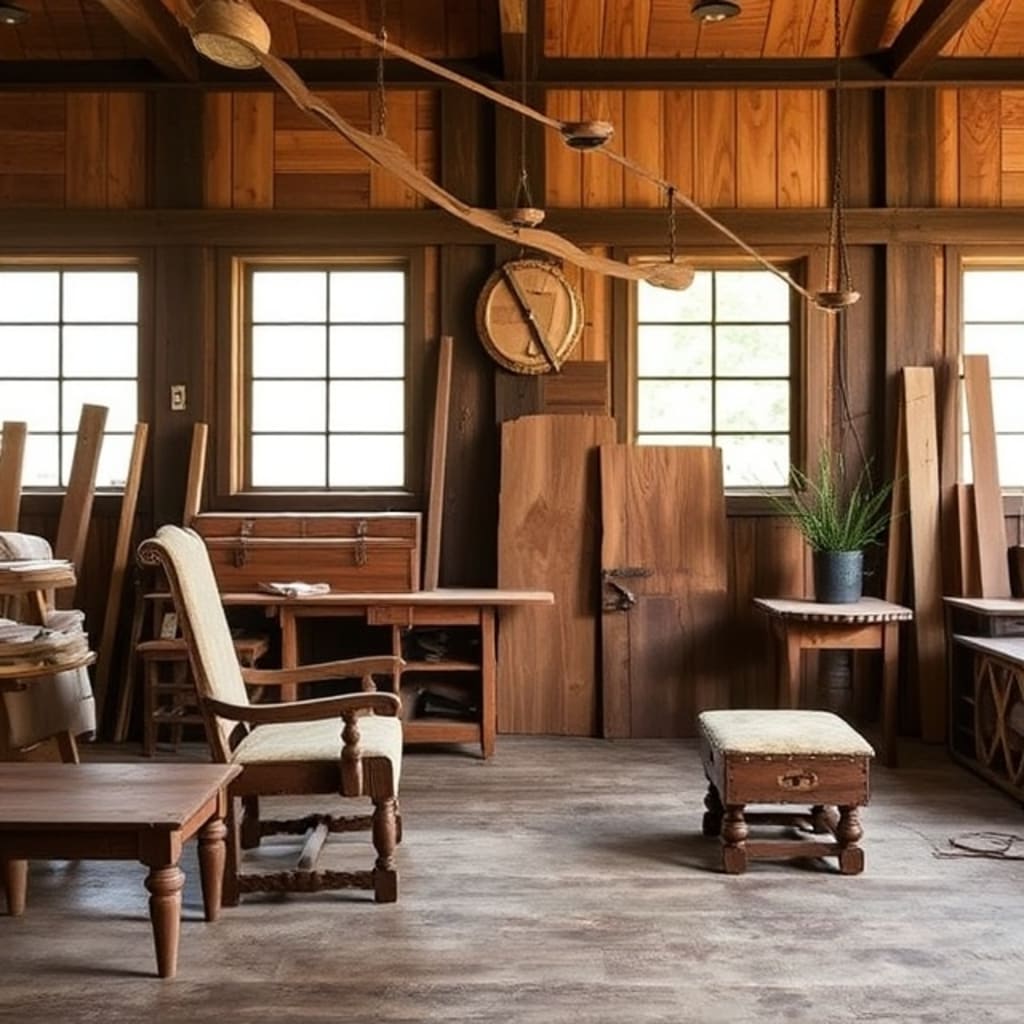
Handcrafted furniture is a marvel of creativity and dedication. While many view it simply as functional or decorative, the reality is that every handcrafted piece is a story woven from tradition, passion, and unparalleled skill. The transformation from raw wood into an exquisitely crafted piece is a journey marked by patience and unwavering attention to detail, a process that elevates furniture making to an art form.
The origins of handcrafted furniture date back centuries, steeped in cultural heritage and expertise passed down through generations. Even today, in an era where mass production dominates the industry, the allure of handcrafted pieces remains timeless. These pieces tell tales of artistry, of craftspeople who pour their hearts into every joint, curve, and finish. Unlike factory-made counterparts, handcrafted furniture embodies a soul and character that machines simply cannot replicate.
The creation of handcrafted furniture begins long before any tool touches the wood. It starts with an appreciation for the material itself: wood. Every craftsman or craftswoman knows that the wood they choose will set the tone for the entire piece. They carefully select each board, examining the grain patterns, texture, density, and even the aroma. Oak, maple, walnut, cherry, and mahogany each have their own unique properties that influence how they’re used and how they age over time. This respect for the material ensures that the final creation is as beautiful as it is functional.
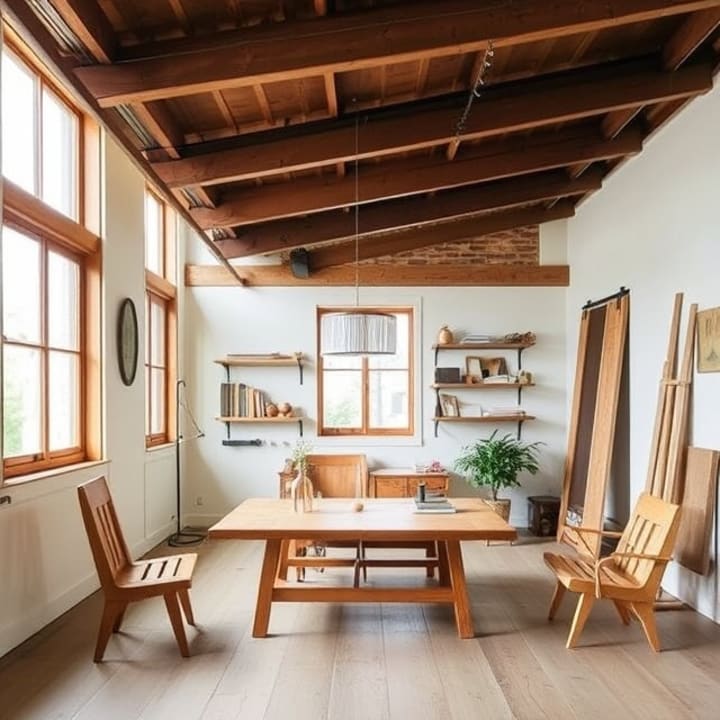
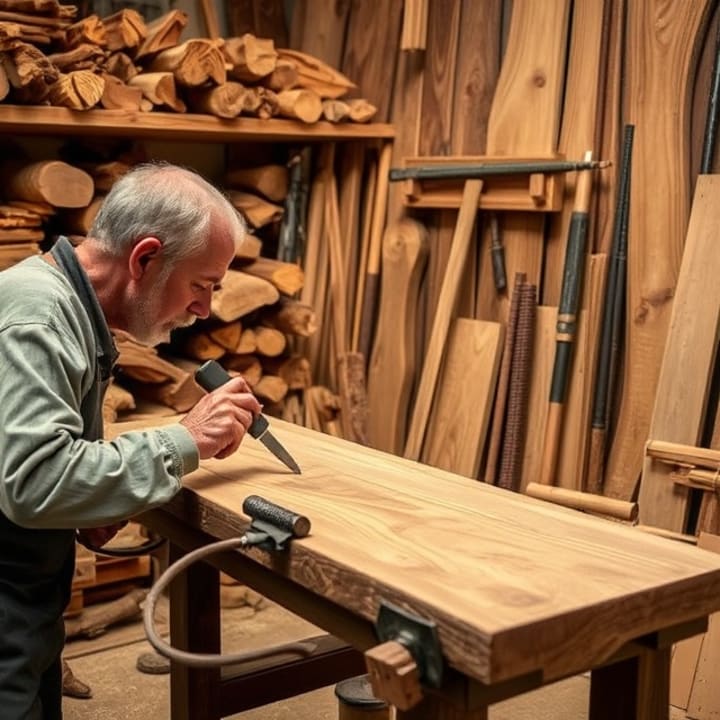
Once the ideal wood is selected, it must be prepared meticulously. This stage involves cutting, drying, and shaping the wood into manageable pieces. Unlike in mass production, where automated machines handle these tasks in seconds, artisans use time-honored techniques, often wielding hand tools. These methods are not just about tradition but are essential for understanding and working with the wood’s unique properties. When craftspeople use their hands to cut and shape wood, they gain an intimate knowledge of its strength, flexibility, and even its natural imperfections, turning these quirks into opportunities for creativity.
The construction phase is where the craftsmanship truly shines. The hallmark of fine handcrafted furniture lies in the joinery. Instead of nails or screws, artisans use techniques such as dovetail, mortise and tenon, and finger joints. These joints are strong, designed to last for decades or even centuries. Mastering these techniques requires years of practice, and only the most skilled artisans can execute them with perfection. The process involves precise measurements and careful hand-carving to ensure that each joint fits seamlessly. It is painstaking work, but the results are worth the effort. These connections create not only durability but also elegance, adding a visual interest to the furniture that speaks to its quality.
Beyond the joinery, every handcrafted piece is adorned with intricate details that set it apart. This may include hand-carved motifs inspired by nature or cultural symbols, inlays made from contrasting wood types, or delicate marquetry. These embellishments are often what transform a piece from mere furniture to a work of art. The design choices reflect the craftsman's vision and often carry personal or cultural significance. As a result, each piece becomes a unique testament to the artisan’s skills and creativity.
But the journey doesn’t stop there. The finishing stage transforms the raw wood into something extraordinary. This process is as important as any other, and it involves a series of intricate steps to bring out the wood’s natural beauty and ensure it can withstand the test of time. First, the surface is sanded to a smooth perfection, often multiple times using progressively finer grains of sandpaper. The sanding is done by hand to achieve a velvety texture that machinery cannot replicate. Then, oils, stains, or waxes are meticulously applied to enhance the grain and deepen the color. Each type of finish serves a different purpose: oil can enrich the wood’s natural warmth, while wax adds a soft, protective sheen.
The application of these finishes is a labor of love. Craftspeople take their time, working the finish into the wood with their hands or soft cloths, ensuring an even and rich coating. This can involve several layers, each one needing to dry fully before the next is added. Between layers, the surface may be buffed or polished to ensure a flawless appearance. The finishing touches are what make the piece feel alive, accentuating the character and texture of the wood in a way that synthetic finishes can never achieve.
Even the protective layers applied to preserve the wood are carefully chosen. These can range from traditional varnishes to modern, eco-friendly sealants. The goal is to ensure that the furniture can endure daily use while still looking as striking as the day it was finished. The level of detail at this stage is a testament to the craftsman’s commitment to quality, with each piece inspected and refined until it meets the highest standards.
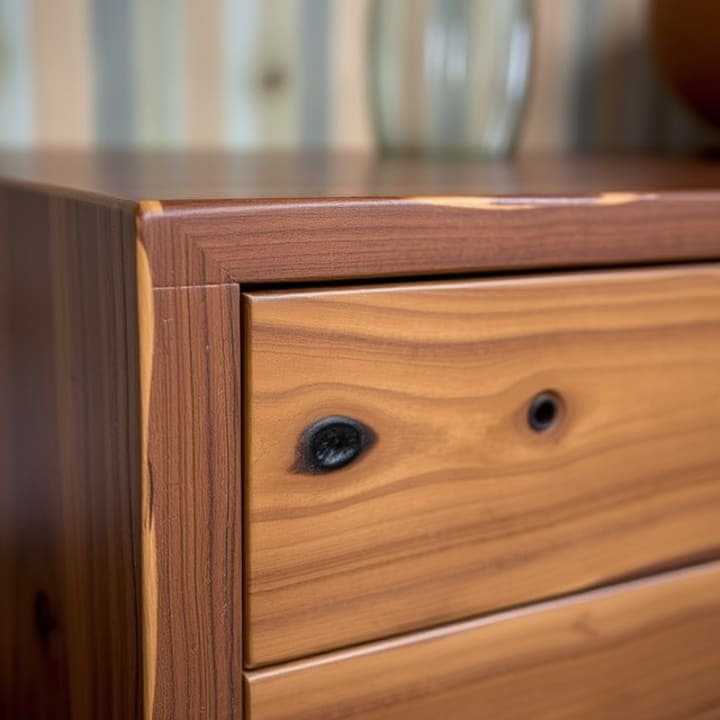
The final product is not just a piece of furniture but a story of transformation. It’s a celebration of nature, honoring the wood’s origins while showcasing human ingenuity and artistry. Every curve, joint, and embellishment bears witness to countless hours of meticulous work and years of refined skill. The marks left by the craftsman are a signature, a quiet nod to the hands that shaped the piece and the legacy they carry forward.
Handcrafted furniture is a true wonder, a blend of nature and art that enhances any space it occupies. It’s a reminder that in a world full of mass-produced sameness, there is still room for the extraordinary—for furniture that brings warmth, character, and a sense of wonder into our homes.
About the Creator
Keep reading
More stories from Opaa Homes and writers in Education and other communities.
Rooted in Tradition: Exploring the Rich Heritage and Enduring Legacy of Heirloom Furniture
Heirloom Furniture: A Legacy of Craftsmanship and Family Heirloom furniture represents more than a collection of beautifully crafted pieces; it embodies a rich tapestry of history, craftsmanship, and familial bonds. These items, often passed down through generations, tell stories of the past while enhancing the living spaces of today. In this exploration of heirloom furniture, we delve into its origins, the artistry involved in its creation, and the emotional significance it holds for families.
By Opaa Homesabout a year ago in Education
Why Understanding the Problem Matters More Than the Stack
Modern software development places extraordinary emphasis on tools. New frameworks promise productivity, new languages promise safety, new architectures promise scale. Engineers debate stacks with near-ideological intensity. Yet many of the most expensive failures in software have nothing to do with poor technology choices. They stem from something more fundamental: a shallow understanding of the problem being solved.
By Gustavo Woltmanna day ago in Education
Why Certification Protects Transcription Careers in the Age of AI
Artificial Intelligence has rapidly transformed the transcription industry. Speech-to-text tools now promise instant results, lower costs, and effortless productivity. For businesses focused purely on speed, AI often appears to be the perfect solution. However, beneath this promise lies a critical reality: speed without accuracy creates risk.
By Mahesh Kumar7 days ago in Education




Comments
There are no comments for this story
Be the first to respond and start the conversation.