
Rooted in Tradition: Exploring the Rich Heritage and Enduring Legacy of Heirloom Furniture
Heirloom furniture transcends mere functionality; it embodies a rich history, craftsmanship, and family legacy. Crafted from high-quality materials, these pieces are designed to last for generations.
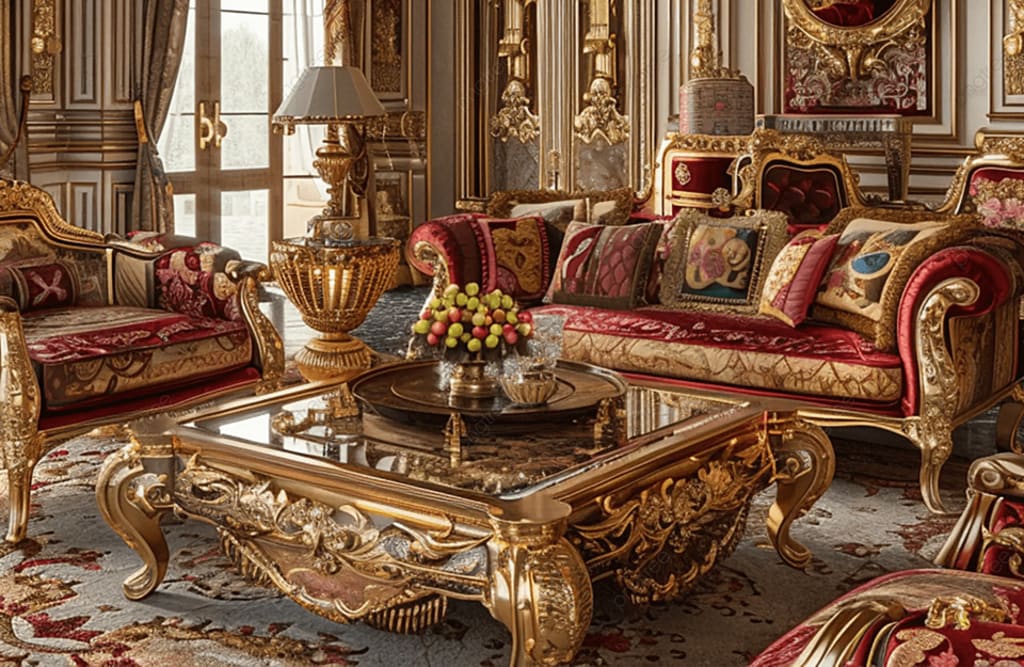
Heirloom Furniture: A Legacy of Craftsmanship and Family
Heirloom furniture represents more than a collection of beautifully crafted pieces; it embodies a rich tapestry of history, craftsmanship, and familial bonds. These items, often passed down through generations, tell stories of the past while enhancing the living spaces of today. In this exploration of heirloom furniture, we delve into its origins, the artistry involved in its creation, and the emotional significance it holds for families.
Origins and Historical Context
The concept of heirloom furniture dates back centuries, closely linked to specific cultural practices and the social dynamics of various eras. In many cultures, furniture was crafted not merely for utility but as a statement of artistry and status. Intricate carvings, fine woodwork, and luxurious fabrics served as symbols of wealth and craftsmanship, often commissioned by affluent families. These pieces were designed to withstand the test of time, both in durability and style, ensuring they could be cherished for generations.
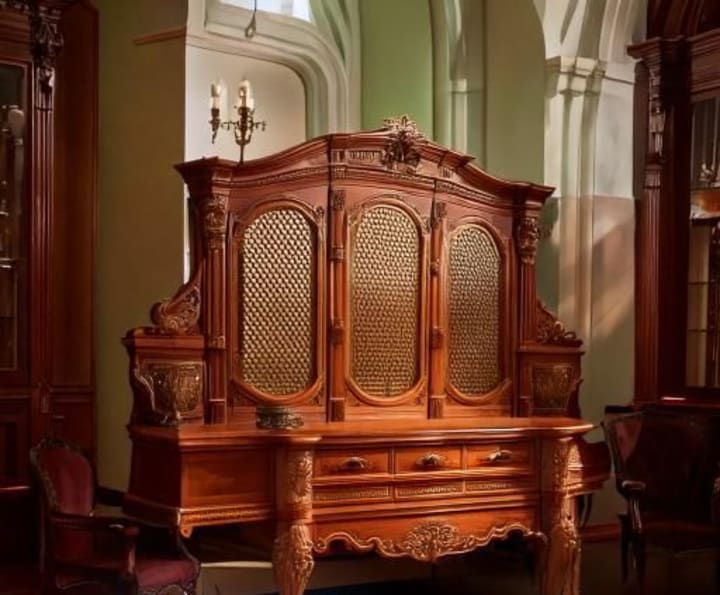
The historical context of heirloom furniture reflects the values and aesthetics of different periods. For example, during the Renaissance, furniture became a canvas for elaborate designs and intricate details, showcasing the skill of artisans. Similarly, the Arts and Crafts movement emphasized simplicity and quality, leading to the creation of timeless pieces that are still celebrated today. Each era’s furniture offers a glimpse into the cultural narratives and societal norms that shaped its design.
Craftsmanship and Artistry
At the heart of heirloom furniture lies the unparalleled craftsmanship that goes into each piece. Artisans dedicate years to mastering their skills, often learning from family traditions or apprenticeships. The use of high-quality materials—such as hardwoods like oak, cherry, and walnut—ensures longevity, while techniques like dovetail joints and hand-carving enhance both beauty and strength.
Many heirloom pieces reflect regional styles and cultural influences, showcasing the unique characteristics of their origins. For instance, Shaker furniture, known for its simplicity and functionality, emphasizes community values and craftsmanship. In contrast, French provincial pieces exude elegance and ornate detailing, highlighting the artistry of their creators. This diversity not only emphasizes the skill involved in their creation but also provides insight into the cultural narratives that shape our living environments.
Emotional Significance
Heirloom furniture carries profound emotional value, serving as a bridge between generations. Each piece often holds memories of family gatherings, celebrations, and milestones, creating a sense of continuity and belonging. When a grandparent passes down a cherished rocking chair or a dining table where countless meals were shared, it becomes a tangible connection to family history.
The act of passing down heirloom furniture preserves stories and traditions, allowing younger generations to connect with their heritage. These pieces often come with anecdotes that add layers of meaning, enriching the experience of ownership. Whether it’s a hand-carved chest or a beautifully upholstered armchair, the personal stories attached to heirloom furniture enhance its significance beyond mere aesthetics.
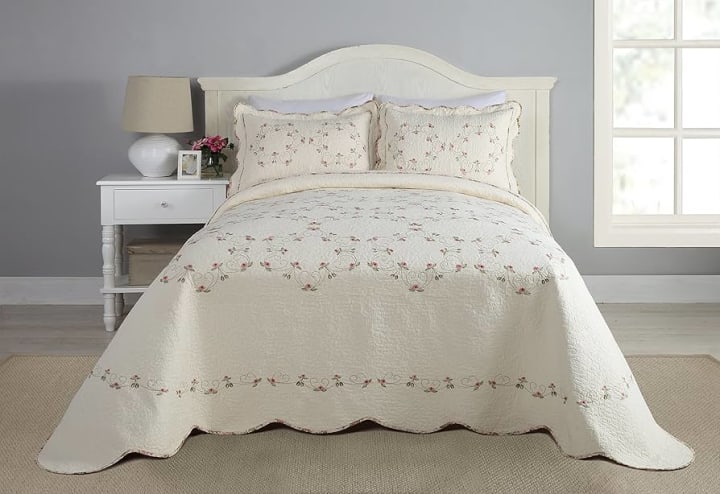
The Modern Heirloom
In today’s fast-paced, disposable culture, heirloom furniture stands as a testament to quality and permanence. As consumers increasingly seek sustainable and meaningful investments for their homes, the allure of heirloom pieces has grown. Modern artisans continue to embrace traditional methods, blending them with contemporary designs to create furniture that honors the past while appealing to current tastes.
Additionally, the rise of custom furniture making allows families to create their own heirloom pieces, tailored to fit their unique styles and needs. These modern heirlooms—whether handcrafted or thoughtfully sourced—carry the same spirit of durability and connection, ensuring they can be passed down through generations.
Conclusion
Heirloom furniture transcends functional decor; it is a celebration of craftsmanship, history, and family legacy. Each piece tells a story, bridging the gap between the past and the present, while also offering a sustainable alternative to the throwaway culture of modern consumerism. By cherishing and preserving these timeless treasures, we honor the traditions that shaped them, ensuring their stories continue to be told for generations to come.
In essence, heirloom furniture invites us to reflect on our heritage and the connections that bind us to our families and communities. It encourages us to appreciate the artistry behind each piece and to recognize the value of quality and tradition in our ever-evolving world.
About the Creator
Keep reading
More stories from Opaa Homes and writers in Education and other communities.
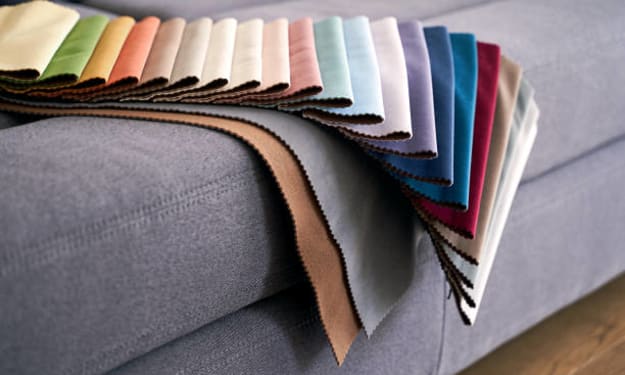
Layer It Up: Transform Your Space with Stunning Textures and Fabric
Transforming Your Space: The Art of Mixing Textures and Fabrics Are you ready to elevate your living space into a cozy yet chic haven? The secret lies in the art of mixing stunning textures and fabrics, a design technique that not only enhances aesthetics but also creates an inviting atmosphere. Picture stepping into a home where every corner beckons you to relax, a space that radiates warmth and personality. By thoughtfully blending luxurious velvets, rustic linens, sleek leathers, and soft knits, you can craft a visually captivating environment that reflects your unique style and makes a lasting impression.
By Opaa Homesabout a year ago in Education
Emerging Trends in Hospitality Marketplaces Driving the Next Wave of Growth
Hospitality marketplaces are changing how travel businesses connect with guests. These platforms now shape pricing, visibility, and guest trust. As technology improves and travel habits shift, hospitality marketplaces are becoming more advanced and more selective. Businesses that understand these changes can stay ahead while others struggle to adapt.
By Jason Nissen7 days ago in Education
When Healing Leads the Way: How Outcome-Driven Healthcare Reshapes Systems, Costs, and Trust
Healthcare is at a crossroads. Rising costs, overwhelmed providers, and frustrated patients have exposed deep flaws in systems that prioritize financial performance over human well-being. For decades, success in healthcare was often measured by revenue, service volume, and utilization rates. While economic sustainability is essential, problems arise when profit becomes the primary goal rather than a byproduct of adequate care. Shifting the focus from profits to outcomes fundamentally changes how healthcare operates, who it serves, and how success is defined.
By Evan Weiss St Louis6 days ago in Education


Comments
There are no comments for this story
Be the first to respond and start the conversation.