
From Dugout to Teamwork: Strengthening Bonds in Travel Baseball
Strengthening Bonds in Travel Baseball

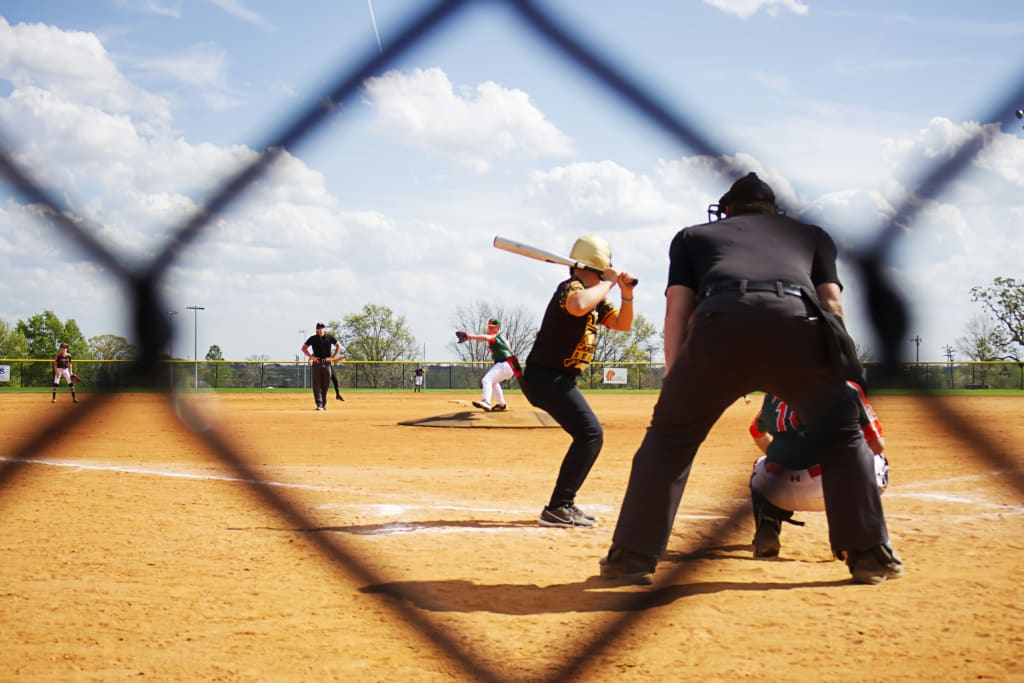
Travel baseball is more than just a sport. It is a commitment that brings together young athletes, coaches, and families for months of practices, road trips, and high-stakes tournaments. While the focus is often on sharpening skills and chasing championships, one of the most valuable aspects of travel baseball lies in the relationships formed along the way. Strong team bonds not only improve performance but also create an environment where players thrive emotionally, socially, and competitively.
As players spend countless hours together on the road, in hotel rooms, and on the field, the opportunities for team bonding are endless. Turning those opportunities into meaningful experiences helps build a team that trusts each other, communicates well, and plays together as a unit. A team that laughs together, learns together, and supports one another on and off the field often stands out not just for talent, but for heart.
The Role of Team Bonding in Baseball Success
In a competitive environment like travel baseball, team chemistry plays a critical role in success. When players understand each other’s strengths and habits, they work together more smoothly. A second baseman who knows his shortstop’s tendencies makes quicker decisions. An outfielder who trusts the center fielder calls off a ball with confidence. These seemingly small connections can be the difference between a win and a missed opportunity.
But beyond mechanics, bonding boosts morale. A player who knows his teammates have his back is more likely to take risks, recover from mistakes, and stay motivated through a tough season. Coaches can encourage this mindset by emphasizing the importance of supporting one another, not only after a home run or a great catch, but after a strikeout or a tough inning.
Team bonding activities help shift the focus from individual achievements to collective success. They reinforce the idea that everyone on the roster has a role to play, whether it’s the leadoff hitter or the last pitcher in the rotation.
Early Season Activities to Break the Ice
Starting the season with a strong sense of connection sets the tone for the months ahead. Before the first pitch is thrown, coaches and parents can organize events to help players get to know each other. A team barbecue, group hike, or casual outing at a local park gives kids a chance to interact outside the competitive setting.
Icebreaker games can be incorporated into early practices. Asking players to share their favorite baseball moment, dream team, or personal goals for the season helps everyone learn more about each other. These conversations can lead to friendships and help newer players feel welcomed.
Even creating a team banner, slogan, or inside joke can help create a sense of identity. When players feel part of something special, they are more likely to show up with enthusiasm and pride.
Strengthening Bonds on the Road
Travel weekends offer built-in bonding time, but they require a little planning to make the most of it. After long games and hours in the sun, players are often exhausted, but a well-timed group activity can re-energize the team and provide a break from the pressure.
A team dinner is one of the easiest ways to build camaraderie. It can be as simple as ordering pizza to the hotel or finding a local restaurant that can accommodate the whole group. Sitting together, laughing about the day’s highlights, and talking about more than just baseball creates shared memories that last.
If time allows, plan something fun in between games. A visit to a local attraction, a swim at the hotel pool, or even a group walk can reset the mood and help players decompress. These activities may not seem directly related to performance, but they often lead to better teamwork during the next game.
During downtime at the hotel, encourage low-key bonding through board games, movie nights, or video game tournaments. These informal moments are where many lasting friendships begin.
Building Leadership and Inclusion
Part of bonding involves giving every player a voice and a role within the team. Coaches can rotate leadership responsibilities to make sure each player feels valued. Assigning someone to lead warmups, organize cheers, or serve as the dugout captain for a game helps build confidence and reinforces the idea that every contribution matters.
Mentorship between older and younger players can also strengthen team unity. Encouraging veterans to support rookies, whether by offering tips or simply sitting next to them during meals, fosters a welcoming environment. This model of inclusion promotes maturity and creates a culture of respect and growth.
Recognizing effort, attitude, and improvement through small rewards or shoutouts can also go a long way. A simple “Player of the Day” or “Team Spirit Award” after each tournament acknowledges more than just statistics and reinforces the behaviors that build strong teams.
Traditions That Bring the Team Together
Traditions can create a sense of identity that sticks with players for years. Whether it is a team chant before each game, themed socks on Sundays, or a ritual handshake, these repeated gestures become symbols of togetherness. They also create consistency in a season full of travel and change.
Another fun tradition could be a shared team journal. After each weekend, one player writes a quick recap of highlights and reflections. Over time, this becomes a record of the season that players can look back on with pride.
End-of-season activities, such as a team banquet, awards ceremony, or group slideshow of the season’s best moments, give players and families a chance to reflect and celebrate everything they’ve accomplished together.
Including Families in the Team Culture
Parents and guardians are a big part of the travel baseball experience. Their support, encouragement, and time make the season possible. Including families in bonding activities helps foster a positive, unified team culture.
Parent-led potlucks, team tailgates, or group volunteer projects can be great ways to bring families together. Creating a shared space of encouragement on and off the field makes the season more enjoyable for everyone involved.
When parents model sportsmanship and teamwork, it sets a powerful example for players. A positive team culture often begins with the adults who cheer from the sidelines and support the team through wins and losses alike.
The Real Win: Lifelong Memories
At the end of a travel baseball season, players will remember more than just their stats. They will remember the teammates who made them laugh, the coaches who believed in them, and the moments that brought the team together in unexpected ways.
Building team bonds is not just about improving performance. It is about shaping young athletes into confident, caring individuals who understand the value of working together toward a common goal.
With intentional effort and a focus on connection, travel baseball becomes more than just a sport. It becomes a shared journey that teaches lessons and builds friendships that last far beyond the final inning.
About the Creator
Joe Sottolano
Joe Sottolano is a championship-winning player and coach with 23 years of NCAA Division I experience, known for integrity, leadership, and player development.
Keep reading
More stories from Joe Sottolano and writers in Education and other communities.
How to Donate Venison to Manna House in Huntsville
Donating venison is one of the most meaningful ways local hunters can give back to the community. In Huntsville, Manna House plays a vital role in turning legally harvested deer into healthy meals for families in need. If you have extra venison this season and want it to make a real difference, understanding the process helps ensure your donation is safe, legal, and impactful.
By Joe Sottolano9 days ago in Education
Giving Back Fairly: How Equity and Philanthropy Shape a Diverse World
Equity and philanthropy work together to build a better world. When we talk about fairness in giving, we must first understand what equity means. Equity is about giving people what they need to succeed, not treating everyone the same. This idea is central to how modern philanthropy is changing. In a diverse world, not everyone has the same starting point. That’s why equity matters.
By John Olin Killgore7 days ago in Education




Comments
There are no comments for this story
Be the first to respond and start the conversation.