

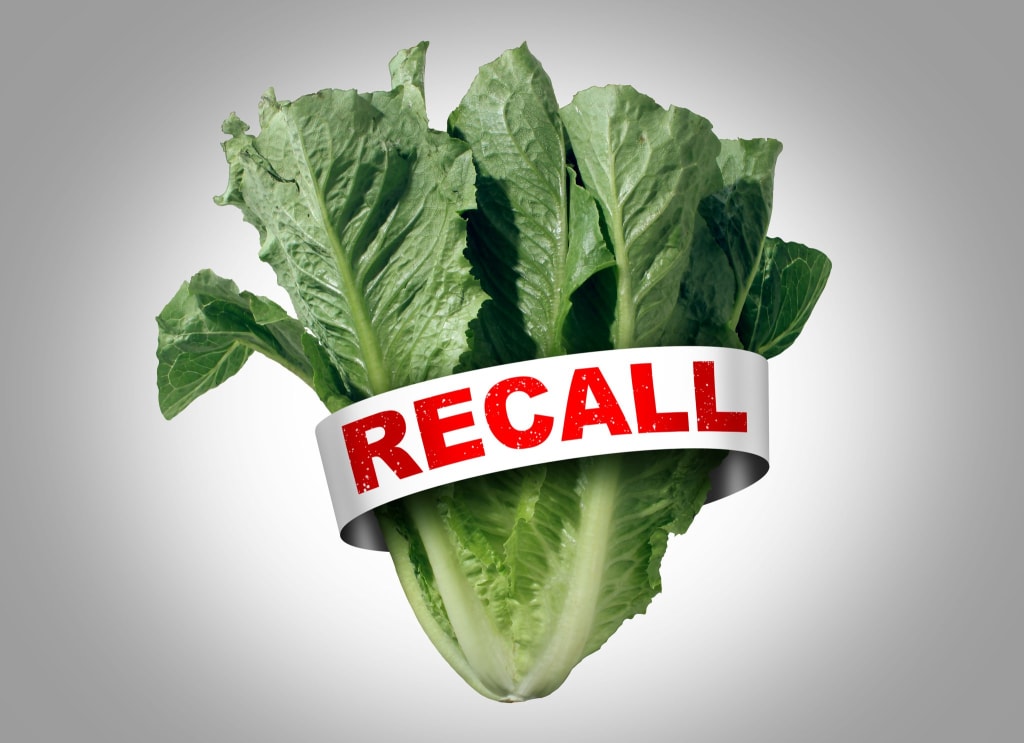
- Understanding Food Recalls: What You Need to Know
Food recalls are an important aspect of food safety, designed to protect consumers from potentially harmful products. If you’ve ever seen a notice about a food product being pulled from shelves, it’s likely due to a food recall. Here’s a clear breakdown of what food recalls are, why they happen, and how they’re handled.
- What is a Food Recall?
A food recall is a process where food products are removed from sale, distribution, and consumption due to safety concerns. This action is taken when there’s a risk that the food might cause illness or harm to people. Essentially, it’s a way to address problems with food before they can impact consumers.
- Recalls can be triggered in several ways:
Reports or Complaints: Issues may be reported by manufacturers, wholesalers, retailers, government bodies, or consumers themselves.
Internal Testing: Sometimes, a food business will discover issues during routine testing or audits.
The main goals of a food recall are:
1 Stop Distribution and Sale: Quickly halt the spread and sale of the unsafe product.
- 2 Inform Key Parties: Alert the government, the affected businesses, and the public about the issue.
3. Remove Unsafe Products: Ensure that the problematic food is taken out of circulation.
A recall notice typically includes details about the affected product, such as its type, brand name, package size, batch number, and specific flavors or identifiers. It also provides instructions on what consumers should do if they have the recalled product.
- Types of Food Recalls
There are two main types of food recalls:
1 Trade Recall: This type occurs when the food has not yet reached consumers. It focuses on recovering the product from distribution centers, wholesalers, and other places like hospitals and restaurants. Essentially, it’s about stopping the product from reaching consumers but does not involve recovering food directly from consumers.
2 Consumer Recall: This is the most comprehensive type of recall. It involves retrieving the product from all stages of the supply chain, including from consumers who might have purchased it. This type of recall aims to ensure that the unsafe food is removed from everywhere it might be found.
- Food Recall Plans
Food businesses, including manufacturers, wholesalers, distributors, and importers, are required to have a written food recall plan. This plan is crucial for managing and executing a recall effectively. It helps businesses quickly and efficiently remove unsafe food from the market, protect public health, and maintain their reputation.
Retailers, like supermarkets, do not have a legal requirement to create their own recall plans unless they are also involved in wholesale, distribution, or importation. However, they often participate in recall efforts as part of other businesses’ plans. Their role is vital in retrieving recalled products from store shelves.
The Food Standards Australia New Zealand (FSANZ) provides a detailed guide for businesses to create their recall plans. This guide is part of the FSANZ Industry Recall Protocol and includes all the necessary steps to develop an effective recall strategy.
- Conducting a Food Recall
If a food recall becomes necessary, FSANZ offers a step-by-step guide on how to manage the process in Australia. This guide includes templates and detailed instructions to help food businesses conduct a recall properly.
Here’s a simplified version of the steps involved in a food recall:
1 Identify the Issue: Confirm the safety concern and determine the scope of the recall.
2 Notify Key Parties: Inform relevant authorities, businesses, and the public about the recall.
3 Retrieve the Product: Work with retailers and distributors to get the recalled product out of the market.
4 Communicate with Consumers: Provide clear instructions to consumers on what they should do with the recalled product.
5 Monitor and Report: Track the progress of the recall and report back to relevant authorities.
- Staying Informed
To stay updated on current food recalls, you can visit the Food Standards Australia New Zealand website or follow their social media channels. They regularly publish alerts and updates on any new recalls, ensuring that you have the most current information.
In summary, food recalls are a vital part of ensuring that the food we consume is safe. By understanding how recalls work and staying informed, you can protect yourself and your family from potential food safety issues.
About the Creator
SK
Sajawal is an 18-year-old student in Class 13, known for his curiosity and determination. With his fair complexion and thoughtful demeanor, Sajawal stands out among his peers. He is dedicated to his studies and has a passion for storytellin
Surviving Cancer: Entering the Golden Alchemical Door to Teaching
It starts with love . . . Entering the Golden Door: Who Am I? Going through cancer treatments with chemo, a strange thing happened, for I started to forget things, even who I am because my wife ghosted me and my friends would have nothing to do with me. Without human contact, you forget what it means to be human. I am a professor at a university, but I forgot what I taught. . . .
By WILD WAYNE : The Dragon Kingabout 20 hours ago in Education
Hands of Hope: The Impact of Volunteer Service in Faith-Based Communities
Faith is often expressed through prayer and reflection, but its true strength is revealed through action. Volunteers play a vital role in translating belief into meaningful service, helping churches grow and positively influence the communities around them. Through dedication, compassion, and teamwork, volunteers become the driving force behind outreach, support, and connection. Their efforts demonstrate how service rooted in faith can create lasting change.
By Mike Signorelli7 days ago in Education



Comments
There are no comments for this story
Be the first to respond and start the conversation.