
Exploring the Human Experience
A Qualitative Research Proposal (Masters/ PhD)

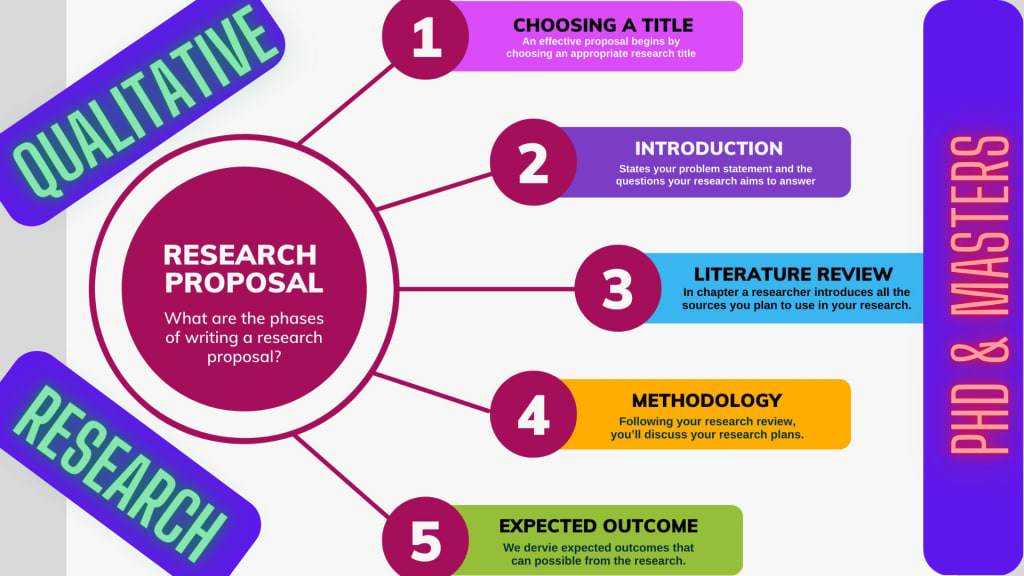
Introduction
In this qualitative research proposal, we aim to delve into the intricacies of the human experience through an in-depth investigation. By employing qualitative research methods, we seek to gain rich insights and a comprehensive understanding of various phenomena that shape individuals' thoughts, emotions, and behaviors.
Research Objectives
The primary objectives of this qualitative study are to:
1. Uncover the underlying factors influencing decision-making processes.
2. Explore the emotional responses and perceptions associated with significant life events.
3. Understand the social dynamics and cultural influences that shape identity and self-concept.
4. Investigate the impact of technology on human communication and relationships.
Methodology
To achieve our research objectives, we will employ the following qualitative research methods:
1. In-depth Interviews: Conducting one-on-one interviews with participants will allow us to capture their personal experiences, feelings, and perspectives on the chosen topics.
2. Focus Groups: Facilitating group discussions will enable us to observe how participants interact, share collective viewpoints, and uncover shared patterns of thoughts and behaviors.
3. Content Analysis: Analyzing various forms of media, such as online content and written materials, will provide additional context and enrich the data collected from interviews and focus groups.
Participant Selection
To ensure the diversity and representativeness of our sample, we will adopt a purposive sampling technique. Participants will be selected based on their varied backgrounds, age groups, geographical locations, and experiences related to the research topics.
Data Analysis
The data gathered from interviews, focus groups, and content analysis will be meticulously transcribed, organized, and analyzed using thematic analysis. This approach will enable us to identify recurring themes, patterns, and critical insights across the data.
The data analysis phase of this qualitative research will be a meticulous and systematic process aimed at deriving meaningful insights and identifying significant patterns from the collected data. We will employ thematic analysis, a widely used method in qualitative research, to analyze the vast amount of information gathered through interviews, focus groups, and content analysis.
Thematic Analysis: Thematic analysis involves the identification and exploration of themes or patterns within the data, providing a structured approach to understanding the underlying meaning behind participants' experiences and perspectives. The following steps will guide our data analysis process:
1. Data Preparation: All interviews and focus group sessions will be transcribed verbatim, ensuring accuracy and fidelity to the original conversations. Additionally, relevant textual data from the content analysis will be compiled for further examination.
2. Familiarization: Researchers will immerse themselves in the data, reading and re-reading the transcripts and content to become familiar with the nuances of the participants' stories and expressions. This process will help researchers gain an initial understanding of the data.
3. Coding: The next step involves generating initial codes, which are short labels or tags that represent different aspects of the data. Researchers will systematically go through the data, assigning codes to meaningful segments that capture key ideas, emotions, or experiences.
4. Theme Development: Codes will then be grouped together to form broader themes. These themes will reflect common patterns, shared experiences, or recurring topics across the data. The researchers will conduct this process iteratively, refining and organizing the themes until a comprehensive thematic map emerges.
5. Data Validation: To enhance the rigor of our analysis, we will employ various strategies for data validation. These may include member checking, where participants are given the opportunity to review and confirm the accuracy of their responses, and peer debriefing, where external researchers review and provide feedback on the emerging themes.
6. Interpretation and Integration: In this stage, researchers will interpret the themes in the context of the research objectives and relevant literature. The goal is to develop a deeper understanding of the underlying mechanisms and meanings of the phenomena being studied.
7. Report Writing: The final step involves presenting the findings in a clear, coherent, and meaningful manner. The research report will be structured to showcase the themes, supported by illustrative quotes and anecdotes from the participants, thereby providing a rich and compelling narrative.
By employing thematic analysis, this qualitative research will generate nuanced and context-rich findings that offer valuable insights into the human experience. The themes that emerge from the data will provide a deeper understanding of decision-making processes, emotional responses, social dynamics, and the influence of technology on human behavior and interactions.
The data analysis process will be guided by the principles of rigor and transparency, ensuring that the research findings are credible and trustworthy. The research team will continually reflect on their biases and assumptions to maintain the objectivity and validity of the analysis. Through this comprehensive data analysis, we aim to contribute to the existing body of knowledge and promote a more profound understanding of the multifaceted nature of the human experience.
Ethical Considerations
We are committed to ensuring the ethical integrity of this research. All participants will provide informed consent before their involvement. Confidentiality and anonymity will be maintained throughout the research process to protect the identity and privacy of participants.
Expected Contributions
This qualitative research proposal aims to contribute significantly to the existing body of knowledge by shedding light on the nuances of the human experience. The findings will have implications for various fields, including psychology, sociology, and communication studies, providing valuable insights for researchers, practitioners, and policymakers alike.
Conclusion
In conclusion, this research proposal outlines our intention to embark on an insightful journey into understanding the human experience through qualitative research methods. By uncovering the complexities of decision-making, emotional responses, social dynamics, and the impact of technology, we hope to make a meaningful contribution to the academic community and society at large.
If you want to learn more, please click here now.
About the Creator
Laban Joash
I have a Ph.D. in Digital Market Research, a thought leader with a passion for data-driven consumer insights. Innovative, driven to shape the future of digital marketing. Mentor, lecturer, trailblazer.
Keep reading
More stories from Laban Joash and writers in Education and other communities.
Unraveling the Numbers
Introduction In this quantitative research proposal, we embark on a data-driven journey to unravel the mysteries hidden within the numbers. By employing rigorous quantitative methods, we seek to uncover statistical patterns, relationships, and trends to gain a comprehensive understanding of the chosen research topics.
By Laban Joash3 years ago in Education
E-Bikes as a Sustainable Solution for Urban and Suburban Mobility
Electric bicycles, commonly known as e-bikes, have rapidly emerged as one of the most influential innovations in personal transportation. Blending traditional cycling with electric power assistance, the e-bike market offers an efficient, sustainable, and accessible mobility solution for people of all ages. As cities face challenges such as traffic congestion, air pollution, and rising fuel costs, e-bikes are increasingly viewed as a practical alternative to conventional vehicles.
By Bobby Yadav4 days ago in Education
VEGETABLE CULTURE.
VEGETABLE CULTURE As a rule, we choose to grow bush beans rather than pole beans. I cannot make up my mind whether or not this is from sheer laziness. In a city backyard the tall varieties might perhaps be a problem since it would be difficult to get poles. But these running beans can be trained along old fences and with little urging will run up the stalks of the tallest sunflowers. So that settles the pole question. There is an ornamental side to the bean question. Suppose you plant these tall beans at the extreme rear end of each vegetable row. Make arches with supple tree limbs, binding them over to form the arch. Train the beans over these. When one stands facing the garden, what a beautiful terminus these bean arches make.
By Junaid Shahid 6 days ago in Education



Comments
There are no comments for this story
Be the first to respond and start the conversation.