

The ketogenic diet, commonly known as the keto diet, is a low carbohydrate, high fat diet that has become increasingly popular in recent years. The goal of the keto diet is to force the body into a state of ketosis, where it burns fat for fuel instead of carbohydrates. The result is often rapid weight loss and improved overall health markers.
At its core, the keto diet is a simple concept. The idea is to consume foods that are high in healthy fats and low in carbohydrates. The body responds by entering a state of ketosis, in which it burns fat for energy instead of glucose. This is achieved by drastically reducing the amount of carbohydrates consumed, usually to less than 50 grams per day, while increasing the amount of healthy fats.
Click Here To Get 21 FREE KETO RECIPES!!
The typical macronutrient breakdown of a keto diet is as follows:
Fat: 70-80% of daily caloric intake
Protein: 20-25% of daily caloric intake
Carbohydrates: 5-10% of daily caloric intake
It's important to note that not all fats are created equal. The keto diet emphasizes the consumption of healthy fats, such as those found in avocados, nuts, and olive oil, rather than unhealthy saturated and trans fats.
One of the main benefits of the keto diet is its potential for rapid weight loss. When the body burns fat for fuel instead of carbohydrates, it can lead to a significant decrease in body fat. This can be especially beneficial for those who have struggled with weight loss in the past. In addition to weight loss, the keto diet has been shown to improve markers of overall health, including blood sugar control and cholesterol levels.
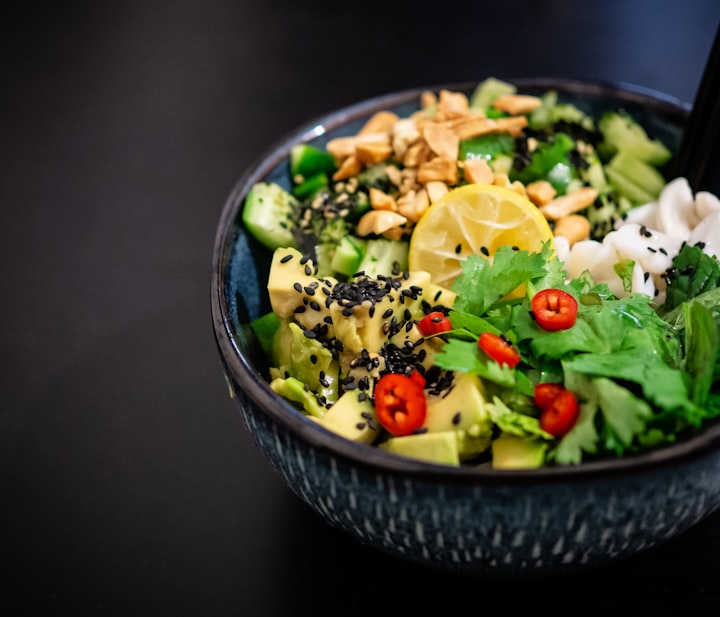
Another benefit of the keto diet is its ability to increase energy levels. This is because when the body burns fat for fuel, it produces a molecule called ketones, which are a more stable and efficient source of energy compared to glucose. This can lead to improved mental clarity and increased physical performance, especially for athletes and high-intensity exercisers.
The main ingredients in a ketogenic (keto) diet are foods that are high in healthy fats, moderate in protein, and low in carbohydrates. Some of the key ingredients include:
- Healthy Fats: Avocado, olive oil, coconut oil, nuts, and seeds are all good sources of healthy fats that are encouraged in the keto diet.
- Proteins: Meat, poultry, fish, eggs, and dairy are all good sources of protein that can be included in a keto diet.
- Low-Carb Vegetables: Leafy greens, broccoli, cauliflower, and other low-carb vegetables can be included in a keto diet to provide fiber and vitamins.
- Nuts and Seeds: Almonds, walnuts, sunflower seeds, and other nuts and seeds can be used as snacks or added to meals for healthy fats and protein.
- Dairy: Cheese, cream, and butter are all good sources of healthy fats that can be included in a keto diet.
It is important to avoid processed foods, refined carbohydrates, and added sugars when following a ketogenic diet. Instead, focus on whole, natural foods that are high in healthy fats, moderate in protein, and low in carbohydrates.
Click Here To Get 21 FREE KETO RECIPES!!
However, the keto diet is not without its challenges. One of the most common side effects of the diet is the "keto flu," which is a period of fatigue, headache, and nausea that can occur as the body adjusts to the new way of eating. To mitigate this, it's important to drink plenty of water and consume enough electrolytes, such as sodium, potassium, and magnesium.
Another potential drawback of the keto diet is the lack of carbohydrates. While it is possible to achieve a healthy ketogenic state while consuming some carbohydrates, a strict low carbohydrate diet can lead to nutrient deficiencies and decreased physical performance. To address this, it's important to choose nutrient-dense carbohydrate sources, such as leafy greens, when consuming carbohydrates.
In conclusion, the ketogenic diet can be an effective tool for weight loss and improved overall health. However, it's important to approach the diet with caution and to work with a healthcare professional to ensure that it's safe and appropriate for your individual needs. As with any diet, it's important to prioritize a balanced and nutrient-dense approach, rather than simply cutting out entire food groups.
About the Creator
Singh.R
A registered dietitian with a passion for helping people achieve their health and wellness goals. With over 10 years of experience in the field, provides expert advice and support, tailored to each individual's unique needs and lifestyle.
Keep reading
More stories from writers in Education and other communities.
From Job to Prison: Revenge, Sacrifice, and Ending
The story begins by showing a bald and strong man named Bradley, who is a car mechanic by profession. As usual, Bradley reaches the garage with a broken car, but after arriving there, he sees that the garage owner is anxiously waiting only for him, which makes him a little surprised. Then the garage owner calls him into his office. Hearing this, Bradley understands that he is about to be fired from his job, and exactly that happens. The owner tells him that these days the garage is going through a financial crisis, and that is why he is being forced to fire some workers. But this is only an excuse, because Bradley is a hard-tempered man, and the owner wants to remove him and hire someone who flatters him. Now since Bradley is a tough man, he does not argue with the owner. He goes to the locker room, takes out his belongings, takes his car, and silently leaves for home. And yes, friends, this is where the downfall of Bradley’s life begins, which continues straight until the end of the story and ends there. Anyway, Bradley stops his car in front of his house, and at the same time he sees that his wife Lauren is sitting in her car, talking to someone on the phone. Bradley becomes suspicious of her. To know the truth, he keeps watching her carefully for some time. When he becomes sure, he immediately goes to Lauren and tells her to open the car door. His wife says, “You came back from work very early today.” At the same moment, Bradley notices marks of someone else’s lips on her neck and says to Lauren, “Give me your phone.” But Lauren refuses to give the phone, because of which Bradley forcefully snatches the phone from her, and his suspicion turns out to be correct. She is talking on the phone with another man. In anger, Bradley tells Lauren to go inside the house. Lauren says, “At least listen to me.” Bradley says, “I said go inside the house.” Then Lauren silently goes inside the house. Now, he had already been fired from his job a little while ago, and now his wife’s affair, because of which he had become even more disturbed, so he starts taking out all his anger on Lauren’s car. How? You can see that yourself. Yes, he is so angry that he does not even realize that his hands have been badly injured. After that, he calms himself down and goes inside the house and questions Lauren about how many days she has been with the other man. Lauren tells him everything, that for the past three months she had been having an affair with someone else. Actually, Bradley’s wife had an abortion a few days earlier, because of which she used to remain sad, and Bradley often stayed busy with his work. Because of this, Lauren felt lonely and very depressed at home, and to fill this emptiness, she had to take support from another man. Hearing these things, Bradley realizes that he should have given time to Lauren. He apologizes to Lauren for this and says that from today, from right now, they will both start a new life. Lauren agrees. After that, Bradley tells Lauren that he has been fired from his job and now he will work for a man named Gil, who is a drug lord. As soon as she hears Gil’s name, Lauren clearly refuses and says, “You yourself said that you would never work with Gil.” Bradley says, “Yes, but in such circumstances, we cannot live like a prosperous family. To run a family, money is needed, and at this time I have no other option.” He also assures Lauren that he will do this work very carefully.
By Filmon Ke Raaz | Movie Mysteries Explained6 days ago in Education
Punjab Orders Action Against Private Schools Pressurizing Parents to Buy From Selected Shops
In a bold move to protect parents and uphold fair practices in education, the Punjab government has ordered strict action against private schools that allegedly pressure parents to purchase supplies, uniforms, or books from selected vendors. The directive comes after multiple complaints surfaced regarding unfair practices that forced families to spend extra money or adhere to specific buying instructions, often leaving them with little choice.
By Muhammad Hassana day ago in Education
The Path to Salvation
The late autumn evening air filled the monk's lungs, but it wasn't the season that chilled his bones. The heavy-handed presence of evil he had sensed upon entering the woods surrounding this mountain village had not bothered to conceal itself from him.
By Made in DNA4 days ago in Fiction




Comments
There are no comments for this story
Be the first to respond and start the conversation.