
Emerging Treatments and Lifestyle Strategies for Managing Dry Macular Degeneration
Dry Macular Degeneration: New Treatments & Tips


Dry macular degeneration is a chronic eye condition that typically affects individuals over 50, resulting in gradual vision loss. Managing this condition can be challenging, but advancements in treatments and lifestyle strategies offer hope for better outcomes. If you're seeking reliable information on dry macular degeneration treatment, this guide provides actionable insights to help you preserve your vision and maintain a high quality of life.
Let's explore the latest developments in treatments, daily practices to reduce the disease's progression, and expert-backed advice for better eye health.
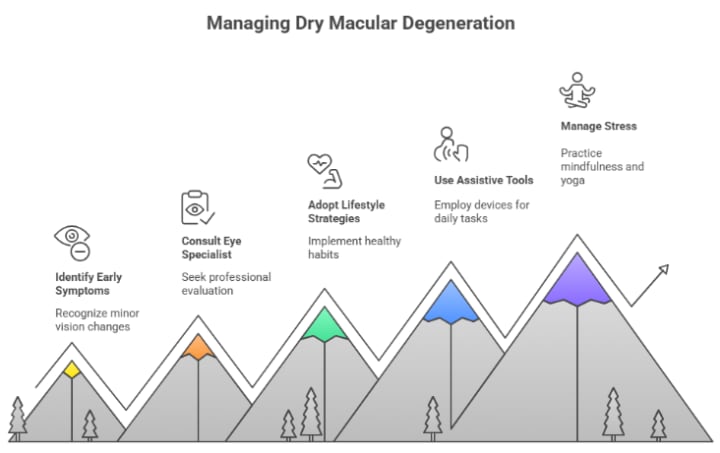
Understanding Dry Macular Degeneration
Dry macular degeneration is caused by the gradual thinning of the macula, the part of the retina responsible for central vision. This condition progresses in stages:
- Early Stage – Minor vision changes, often without noticeable symptoms.
- Intermediate Stage – Mildly blurry vision or difficulty in seeing fine details.
- Late Stage – Noticeable loss of central vision, making everyday tasks challenging.
While there is no complete cure for dry macular degeneration, early detection and proactive management can slow its progression and improve quality of life.
Quick Fact: Dry macular degeneration accounts for nearly 85%-90% of all cases of age-related macular degeneration (AMD). However, it progresses more slowly than its counterpart, "wet AMD."
Emerging Treatments in Focus
Significant strides in medical science are making dry macular degeneration treatment more effective. Here are a few noteworthy developments:
1. Nutritional Supplements
The Age-Related Eye Disease Study (AREDS) highlighted the role of specific vitamins and minerals in slowing the progression of AMD. Supplements containing Vitamin C, Vitamin E, zinc, and copper combined with lutein and zeaxanthin are often recommended.
- Why it works: These nutrients protect the retina by neutralizing harmful free radicals that cause cellular damage.
- Pro Tip: Consult your eye doctor before starting any supplement regimen to ensure it is right for you.
2. Stem Cell Therapy
Stem cell therapy has emerged as a promising avenue for regenerating damaged retinal cells. Though still under research, it holds potential for individuals in the later stages of the disease.
3. Implantable Telescope Lenses
FDA-approved devices, such as implantable telescopes, are helping restore functional vision to individuals with advanced dry macular degeneration. These tiny lenses magnify images onto healthy parts of the retina.
Key Benefit: This option can significantly improve the ability to perform everyday activities, such as reading or recognizing faces.
4. Gene Therapy
Gene editing technologies, like CRISPR, are being explored for their ability to address genetic deficiencies linked to AMD. Though experimental, early insights underscore their potential for future treatments.
Lifestyle Strategies for Better Eye Health
Beyond medical treatments, lifestyle adjustments play a critical role in managing dry macular degeneration. Adopting healthy habits can help slow the progression of the disease and protect your overall eye health.
1. Follow a Balanced Diet
Why it matters
A diet rich in antioxidants supports retinal health. Incorporating leafy greens, fish, nuts, and colorful fruits provides essential nutrients like lutein, zeaxanthin, and omega-3 fatty acids.
Do This:
- Include kale, spinach, and broccoli for their high antioxidant content.
- Add fatty fish, such as salmon or mackerel, for anti-inflammatory omega-3s.
- Snack on almonds and walnuts for a healthy dose of vitamin E.
2. Protect Your Eyes from UV Rays
Prolonged exposure to ultraviolet (UV) rays contributes to retinal harm. Wearing protective sunglasses can reduce risk factors.
Tip: Choose sunglasses labeled “100% UV Protection” for maximum safety.
3. Stop Smoking
Smoking is a known risk factor for AMD. Studies show smokers are twice as likely to develop this condition compared to non-smokers.
Advice:
If you smoke, seek support from cessation programs or healthcare providers to quit.
4. Regular Eye Exams
A Retina Specialist can assess your eye health and track disease progression in its early stages. Having regular eye exams ensures the timely detection of any changes.
For professional eye health evaluation, visit a trusted specialist here.
Assistive Tools for Daily Living
Vision loss can create hurdles in routine activities. Thankfully, assistive technologies and tools simplify life for AMD patients. Consider these options:
Magnifying Devices – Handheld magnifiers or digital screen readers can aid in reading fine text.
Computer Accessibility Tools – Many computers and smartphones offer high-contrast modes and voice-to-text functionalities for visually impaired users.
Low-Vision Rehabilitation Programs – Specialists provide individualized training to help patients maximize their remaining vision.
Did You Know?
Low-vision rehabilitation can retrain your eyes to use peripheral vision effectively, helping to adapt to central vision loss.
5. Stress Management
Chronic disease management often comes with emotional stress. Practices such as yoga, mindfulness, and joining support groups can improve mental well-being.
Wrap-Up
Emerging advancements in dry macular degeneration treatments and impactful lifestyle changes are empowering patients to better manage this condition. While dry AMD remains incurable, proactive care and cutting-edge therapies improve living standards significantly.
For an understanding of low-vision rehabilitation services, refer to the National Eye Institute’s article on Low Vision.
Key Takeaways:
Nutritional supplements under the AREDS guidelines slow disease progression.
Innovations like stem cell therapy and implantable lens technologies offer hope to late-stage patients.
A healthy diet, UV protection, and cessation of smoking help protect retinal health.
Tools like magnifiers, accessibility devices, and low-vision rehab programs enhance daily life.
By implementing the tips and guidance outlined in this blog, you can proactively manage dry macular degeneration and protect your vision.
FAQs
Q1. Can dry macular degeneration lead to complete blindness?
No, dry AMD typically affects central vision and does not usually cause complete blindness. Peripheral vision remains functional in most cases.
Q2. How often should I visit an eye specialist?
It is recommended to have annual eye exams or as advised by your specialist for monitoring changes in your condition.
Q3. Are there new drugs being developed for dry AMD?
Yes, research into novel drugs and genetic therapies is ongoing, with promising developments offering hope for future treatments.
About the Creator
Franklin Norton
Franklin Norton is a dedicated health writer specializing in eye care. With a passion for vision health, he educates readers on eye conditions, treatments, and preventive care for optimal eye wellness.
Keep reading
More stories from Franklin Norton and writers in Education and other communities.
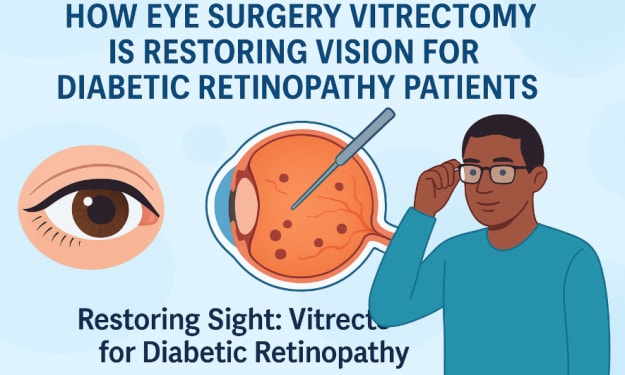
How Eye Surgery Vitrectomy is Restoring Vision for Diabetic Retinopathy Patients
Diabetic retinopathy is a leading cause of vision problems for people with diabetes. It develops when high blood sugar levels damage the tiny blood vessels in the retina, the part of the eye responsible for turning light into signals for the brain to process as images. When untreated, this condition can lead to vision loss over time. Fortunately, advances in medical science have paved the way for improved outcomes. One such advance is vitrectomy, an eye surgery that addresses severe complications of diabetic retinopathy.
By Franklin Norton9 months ago in Education
Competitive Distance Running Excellence Built on Repeated High Race Placements
Competitive distance running rewards athletes who can perform well again and again. One strong finish is impressive, but multiple high placements in recent races show true consistency. These results point to smart training, clear focus, and the ability to manage pressure over time. This article explores how competitive distance running athletes achieve repeated success, why high placements matter, and what helps runners stay near the front of the field.
By Daniel Podor6 days ago in Education
Traphall Romance
Traphall Romance: How a Global Love Sound Was Born, Who’s Leading It, and Where It’s Headed Genres don’t usually start in boardrooms. They start in bedrooms, cars, late-night studio sessions, and cities where cultures overlap. Traphall Romance is no exception. It’s not a sound that was formally announced — it’s one that quietly emerged from emotion, from artists who wanted their music to hit hard and feel deep.
By K.y.e Dynasty Recordsabout 20 hours ago in Education


Comments
There are no comments for this story
Be the first to respond and start the conversation.