
How Eye Surgery Vitrectomy is Restoring Vision for Diabetic Retinopathy Patients
Restoring Sight: Vitrectomy for Diabetic Retinopathy


Diabetic retinopathy is a leading cause of vision problems for people with diabetes. It develops when high blood sugar levels damage the tiny blood vessels in the retina, the part of the eye responsible for turning light into signals for the brain to process as images. When untreated, this condition can lead to vision loss over time. Fortunately, advances in medical science have paved the way for improved outcomes. One such advance is vitrectomy, an eye surgery that addresses severe complications of diabetic retinopathy.
This article discusses how vitrectomy is revolutionizing the treatment for diabetic retinopathy, restoring vision, and offering renewed hope for countless patients.
What is a Vitrectomy?
A vitrectomy is a surgical procedure that involves removing the gel-like substance called vitreous humor from the eye. This allows a surgeon to clear debris, stop bleeding, and repair damaged areas of the retina. This procedure is often used when diabetic retinopathy progresses to severe stages, resulting in:
- Persistent bleeding in the vitreous (vitreous hemorrhage)
- Scar tissue formation that pulls the retina (tractional retinal detachment)
- Severe swelling or damage to the macula
Understanding how and when vitrectomy is recommended can be key for anyone managing diabetic retinopathy.
Why is Vitrectomy Effective for Diabetic Retinopathy?
Vitrectomy addresses the root complications caused by diabetic retinopathy, such as bleeding and scarring, which block light from reaching the retina. By removing these obstructions, surgeons can restore clearer vision and stabilize the condition.
Key Benefits of Vitrectomy Include:
- Clearing Bleeding: Blood from damaged vessels is removed, improving vision clarity.
- Relieving Traction: Scar tissue causing retinal detachment is carefully removed, preventing further damage.
- Reducing Swelling: Removing the vitreous improves oxygen flow to the retina, promoting healing.
Pro Tip: Maintaining healthy blood sugar levels before and after the surgery can significantly improve recovery outcomes.
When is a Vitrectomy Recommended?
Vitrectomy is not typically the first-line treatment for diabetic retinopathy. However, it becomes essential when other treatments, such as laser therapy or injections, prove insufficient. Doctors may recommend it for:
- Non-clearing vitreous hemorrhages
- Advanced stages of proliferative diabetic retinopathy (PDR)
- Tractional retinal detachment
- Diabetic macular edema unresponsive to injections
Preoperative Evaluation
Before surgery, a retina specialist will perform a detailed eye exam, which may include imaging tests like optical coherence tomography (OCT) or ultrasound, to assess the severity and structure of the damage.
The Vitrectomy Procedure Explained
Understanding the steps can demystify the process for patients. Here's an overview:
- Anesthesia: Local or general anesthesia is administered.
- Access: Tiny openings are made in the eye to insert specialized instruments.
- Vitreous Removal: The gel-like vitreous is removed using a suction-like device.
- Repairing Damage: The surgeon may laser-seal damaged areas of the retina, remove scar tissue, or apply gas or silicone oil to help reposition the retina.
- Closing Up: The openings are sealed, often without stitches due to the small incisions.
Quick Tip:
Talk to your doctor about post-surgery instructions, such as wearing an eye shield and using prescribed eye drops to prevent infection.
Recovery After Vitrectomy
Recovery typically takes a few weeks to months. Initially, patients may experience blurry vision, which gradually improves. Following your surgeon’s guidance during recovery ensures the best outcomes.
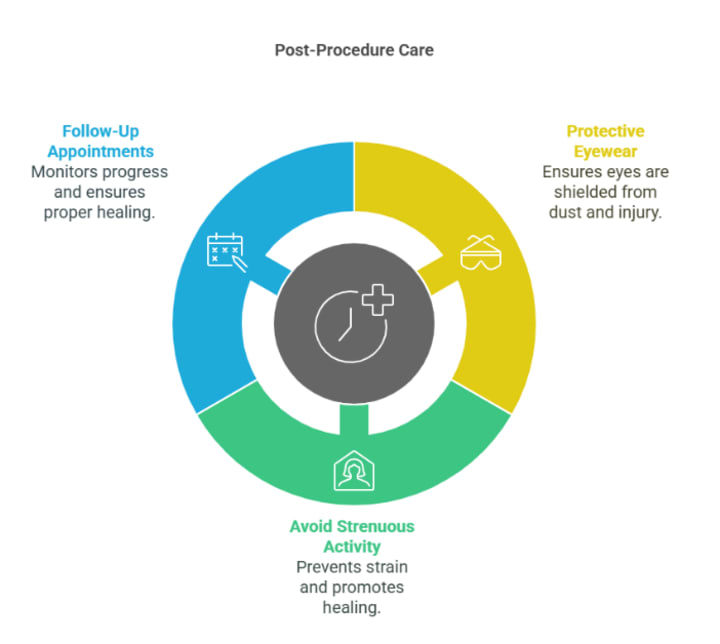
Key Post-Surgery Practices:
- Use protective eyewear to shield your eyes from dust or injury.
- Avoid heavy lifting or strenuous activity.
- Stick to follow-up appointments to monitor healing.
Common Side Effects:
- Mild discomfort
- Temporary vision changes
- Potential cataract development in the operated eye (especially in older adults)
Note: While vitrectomy is successful in most cases, it’s not a cure. Ongoing control of diabetes remains critical to prevent recurrence or further complications.
Additional Treatments for Diabetic Retinopathy
Not every case of diabetic retinopathy progresses to the point of needing surgery. Other effective treatments include:
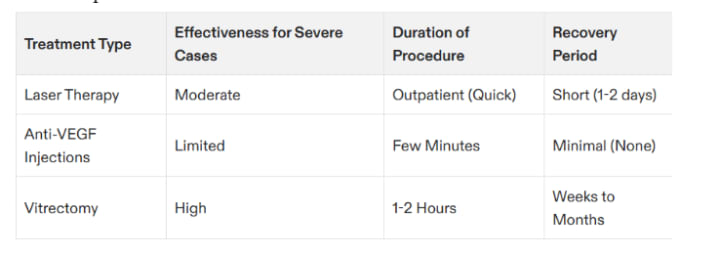
- Laser Therapy (Panretinal Photocoagulation): Used to shrink abnormal blood vessels.
- Anti-VEGF Injections: Medications that reduce vascular growth and swelling.
- Corticosteroid Implants: For persistent macular edema.
Many patients may start with these less invasive methods before being considered for vitrectomy.
Table Comparison of Treatments
Why Early Detection Matters
Diabetic retinopathy often begins without obvious symptoms. Regular eye exams with a retina specialist can catch the condition early, reducing the need for surgical intervention. If you’re in Florida, consider consulting a retina specialist in Fort Myers for comprehensive diabetic eye care.
Signs and Symptoms to Watch:
- Blurred or fluctuating vision
- Dark spots or floaters
- Trouble seeing colors
Early action is critical to preserving vision.
What the Future Holds
Technological advancements continue to improve vitrectomy outcomes. The latest microincision techniques make the procedure safer and more precise, reducing recovery times. Additionally, innovations like the surgical use of optical coherence tomography (OCT) offer real-time imaging during operations, aiding surgeons with intricate repairs.
The combination of improved surgical tools and better preoperative imaging ensures that patients with diabetic retinopathy have a brighter outlook than in the past.
Ask your specialist about new technologies, including panoramic viewing systems or minimally invasive options that may optimize results.
Taking Control of Diabetic Retinopathy
If you or a loved one is facing diabetic retinopathy, know that breakthroughs in treatments like vitrectomy offer new hope. Managing blood sugar, maintaining consistent eye checkups, and promptly addressing any visual changes can make a world of difference.
For more information on safe practices to manage diabetes, visit NIH's Diabetes Portal.
Quick Summary of Benefits:
Vitrectomy restores clear vision by removing obstructions caused by diabetic complications and helps stabilize the retina for long-term success. Coupled with early diagnosis, this procedure has transformed the outlook for many battling advanced retinal damage.
Taking charge today can safeguard your vision for years to come. Always consult specialists and tailor care to your unique needs.
About the Creator
Franklin Norton
Franklin Norton is a dedicated health writer specializing in eye care. With a passion for vision health, he educates readers on eye conditions, treatments, and preventive care for optimal eye wellness.
Keep reading
More stories from Franklin Norton and writers in Education and other communities.
How Eye Macular Hole Surgery is Transforming Lives in 2025
Few diagnoses impact daily life as profoundly as a macular hole. This small defect in the retina’s center can blur vision, distort faces, and make reading difficult. But in 2025, rapid advances in eye macular hole surgery have brought new hope to patients. With improved techniques, real-time imaging, and faster recovery, the treatment is helping thousands reclaim their sight and independence.
By Franklin Norton2 months ago in Education
How Japan Saved Its Biggest City from Collapse
400 years ago, modern-day Tokyo was known as Edo, and it was already one of the biggest cities in the world, with a population approaching 1 million. However, it was on the verge of ecological collapse. Years of intense logging had led to massive deforestation. The city now faced timber shortages and the impacts of severe erosion and frequent flooding that threatened food supplies. But over just a few decades, Edo will transform and become one of the most sustainable and efficient cities in history.
By Munesh Yadav2 days ago in Education
Understanding Laravel Helper Functions and Their Use Cases
Laravel is widely appreciated for its clean syntax, expressive structure, and developer-friendly ecosystem. One of the most underrated yet powerful features of the framework is its built-in helper functions. These helpers simplify common tasks, reduce boilerplate code, and improve overall development speed. If you’re working with Laravel regularly, understanding helpers in Laravel can significantly improve how efficiently you write and maintain code, especially when building modern applications such as dashboards, SaaS platforms, or integrations with tools like the Best AI Video Ads Tools for marketing automation.
By Lennox Gray2 days ago in Education




Comments
There are no comments for this story
Be the first to respond and start the conversation.