
Early Kidney Problem Signs You Shouldn’t Ignore
Highlights the critical need for awareness and screening, aligning with the article’s emphasis on preventing progression

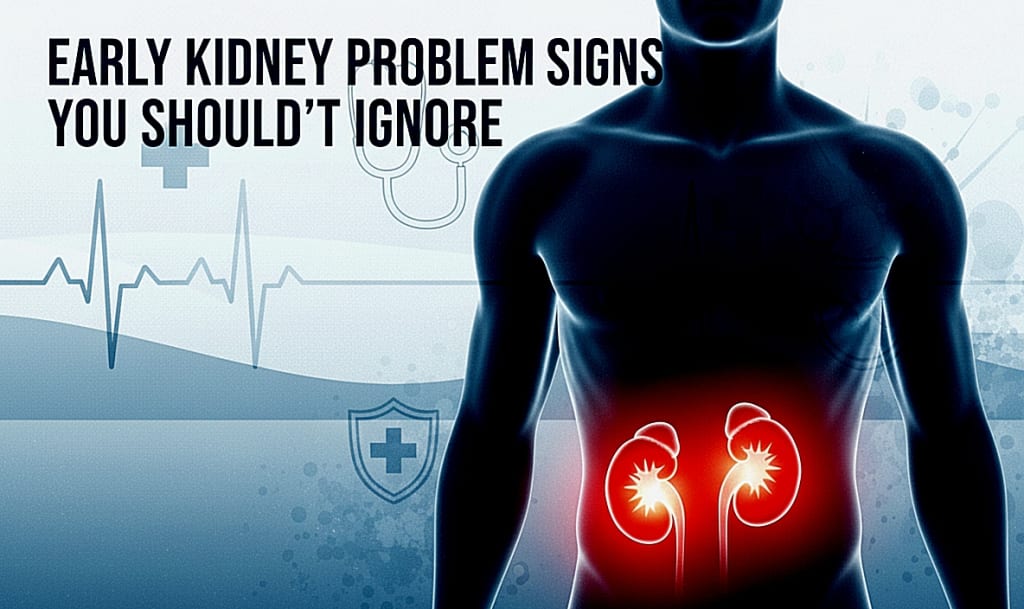
Kidney disease is often called a silent killer for a reason. In the United States alone, more than 37 million adults are living with chronic kidney disease (CKD), and many don’t even know it. The kidneys do far more than just make urine they filter out toxins, regulate blood pressure, and balance key minerals in the body. When they start to fail, the damage usually happens slowly and quietly. By the time symptoms become obvious, the disease may already be in a serious stage. That’s why recognizing the early signs is so important.
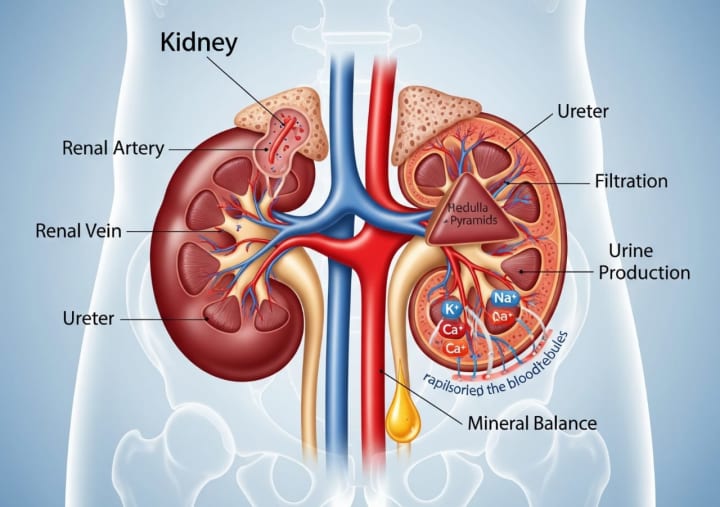
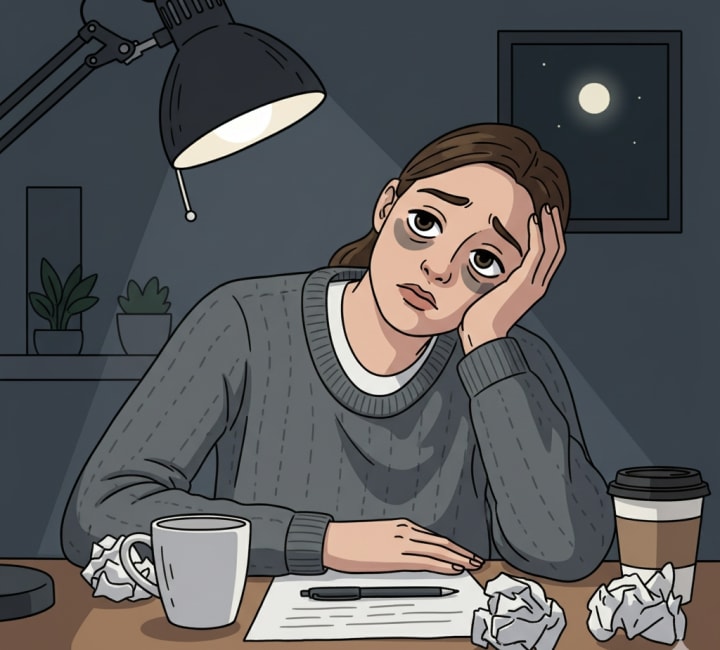
One of the first warning signs people often brush off is persistent fatigue and weakness. When the kidneys are struggling, they can’t filter waste properly. These toxins build up in the blood, which affects the body’s ability to deliver oxygen efficiently. On top of that, the kidneys stop making enough of a hormone called erythropoietin, which is needed to produce red blood cells. The result is anemia, leaving people feeling constantly tired, drained, or unable to focus. Most people blame stress, lack of sleep, or simply “getting older,” but this fatigue can be an early red flag of kidney problems.
Another subtle sign is changes in urination. The kidneys’ main job is to filter fluids, so even small shifts in their function often show up here. You might notice you’re going to the bathroom more often at night (a condition called nocturia), or you may see foamy urine, which is a sign of excess protein leaking into the urine. In some cases, urine may appear pink or red due to blood, though microscopic blood often requires a lab test to detect. Unfortunately, many people dismiss these changes as minor infections or hydration issues, when in fact they may point to kidney damage.

Swelling, or edema, is another early symptom. If your ankles, feet, or even the area around your eyes look puffy, your kidneys might not be removing extra fluid and salt effectively. This buildup of fluid often starts mildly and may come and go, so it’s easy to ignore or blame on too much salty food. Still, it’s one of the body’s ways of signaling that the kidneys are under strain.
People with early kidney problems may also develop dry, itchy skin. While this may sound unrelated, it actually stems from mineral imbalances, especially when the kidneys can’t regulate calcium and phosphorus properly. Over time, this imbalance can lead to bone problems, but in the early stages it often just feels like annoying itchiness, which many mistake for allergies or dry weather.
Changes in appetite are also common but rarely connected to kidney health by patients. Waste buildup in the blood can cause a metallic taste in the mouth, reduce appetite, or lead to nausea. Sometimes people think they have stomach issues, when in reality their kidneys are struggling to filter toxins. Along with this, muscle cramps and trouble sleeping can occur because of imbalances in electrolytes like calcium and potassium, as well as toxin accumulation that disrupts normal sleep cycles.
The tricky part is that early kidney disease often hides itself well. The body has ways of compensating, so many people feel fine until more than half of their kidney function is already lost. Conditions like diabetes, high blood pressure, and obesity speed up this process, which is why doctors recommend regular checkups and screenings for anyone at risk. Simple blood and urine tests can catch the disease early, long before symptoms become severe.
If ignored, kidney problems can progress to advanced CKD, where dialysis or even a transplant may be the only options. The good news is that early detection can slow or even prevent serious outcomes. Paying attention to small signals like fatigue, swelling, changes in urination, or persistent itching could make all the difference. In short, your kidneys work quietly behind the scenes every day to keep you healthy. Don’t wait until the damage is done. Awareness, routine checkups, and a little caution can go a long way toward protecting them. When it comes to kidney health, prevention really is better than cure.
About the Creator
Muzamil khan
🔬✨ I simplify science & tech, turning complex ideas into engaging reads. 📚 Sometimes, I weave short stories that spark curiosity & imagination. 🚀💡 Facts meet creativity here!
Reader insights
Outstanding
Excellent work. Looking forward to reading more!
Top insights
Compelling and original writing
Creative use of language & vocab
Easy to read and follow
Well-structured & engaging content
Excellent storytelling
Original narrative & well developed characters
Expert insights and opinions
Arguments were carefully researched and presented
Eye opening
Niche topic & fresh perspectives
Heartfelt and relatable
The story invoked strong personal emotions
Masterful proofreading
Zero grammar & spelling mistakes
On-point and relevant
Writing reflected the title & theme
Keep reading
More stories from Muzamil khan and writers in Education and other communities.
The Glucose Paradox: Fueling Hope for Cancer Cures
Cancer is still one of the world’s biggest health challenges, claiming millions of lives each year. Scientists continue to search for better treatments, and surprisingly, a simple sugar glucose has become a key focus. Glucose is our body’s main source of energy, but in the case of cancer, it plays a double role. It can feed tumors, making them grow faster, but it can also strengthen the immune system’s ability to fight back. This paradox has researchers asking an important question: if we learn how to control glucose in the body, could we create more effective treatments?
By Muzamil khan6 months ago in Education
EdTech and Smart Classroom Market to Attain USD 498.5 Billion by 2032
The Global EdTech and Smart Classroom Market presents a substantial long-term opportunity, expected to scale from USD 146.8 billion in 2023 to USD 498.5 billion by 2032. With a projected CAGR of 15%, the market is benefiting from increasing investments in digital curriculum platforms, AR/VR-enabled learning, AI-driven assessment systems, and connected classroom ecosystems.
By Roberto Crum3 days ago in Education
Clear Paths to Discover Your Purpose in Life
Finding direction in life is a common human search. Many people want their work and daily actions to feel meaningful. When you discover your purpose in life, you gain a sense of direction and inner peace. Purpose does not appear in a single moment for most people. It often grows through reflection, action, and learning. Small steps can lead to deep insight.
By Philip Raymond Baquie2 days ago in Education




Comments (2)
amazing
great