
Drug Safety Officer from Clinical Research
Those interested in pursuing a career as a DSO should focus on developing the necessary skills and knowledge required to succeed in this challenging but rewarding field.
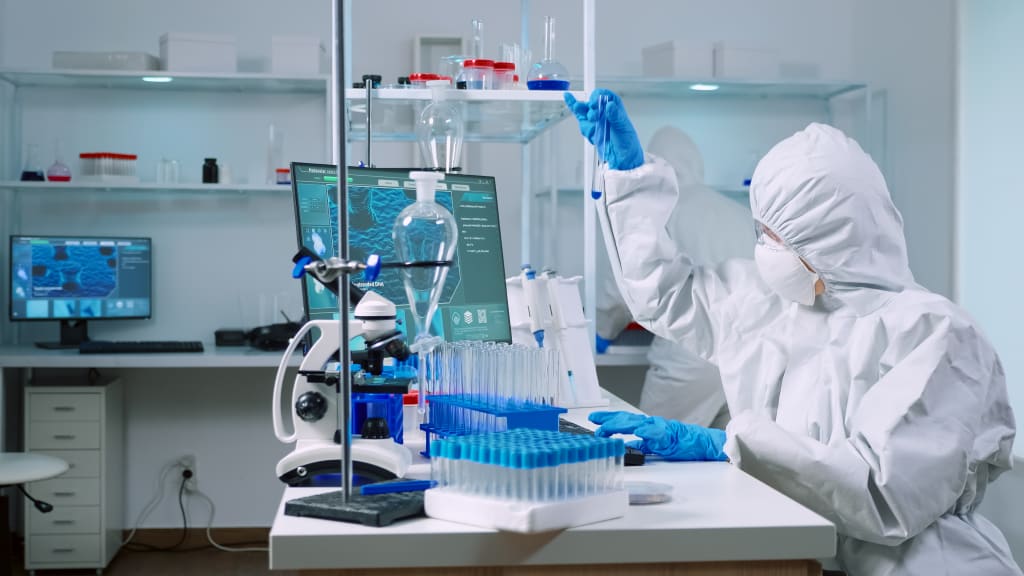
Drug safety is one of the most critical aspects of clinical research training, and a drug safety officer (DSO) plays a crucial role in ensuring the safety of patients. A DSO is responsible for monitoring and reporting adverse drug reactions (ADRs) and ensuring that the drugs being tested are safe and effective. This article will provide an overview of the role of a DSO in clinical research and the skills required to succeed in this field.
The primary responsibility of a DSO is to monitor the safety of the drugs being tested in clinical trials. This involves reviewing data from clinical trials and identifying potential adverse events that may be related to the drug.
Duties: The drug safety officer has several duties, including monitoring clinical trials to identify potential safety concerns, reviewing safety data from clinical trials, and preparing safety reports for regulatory authorities.
Qualifications: Drug safety officers usually have a background in life sciences or healthcare, and may have a degree in pharmacy, nursing, or medicine. They must have an understanding of pharmacology, toxicology, and regulatory guidelines.
The DSO is responsible for reporting these events to regulatory agencies and ensuring that appropriate action is taken to address any safety concerns. Additionally, the DSO plays a key role in ensuring that the informed consent process is properly followed and that patients are fully informed of the potential risks associated with participating in the trial.
To succeed as a DSO, one must possess a variety of skills, including excellent attention to detail, strong analytical skills, and the ability to work well under pressure. Additionally, a DSO must have a solid understanding of the regulations governing clinical research and the ability to interpret complex scientific data.
Effective communication skills are also essential, as a DSO must be able to effectively communicate with both internal and external stakeholders, including regulatory agencies, clinical trial sponsors, and study participants.
One of the key challenges that drug safety officers face is the constantly evolving regulatory landscape. Regulatory agencies around the world are constantly updating their guidelines and requirements for clinical research, and DSOs must stay up to date on these changes to ensure that their work remains compliant. Additionally, DSOs must be able to navigate the complex network of stakeholders involved in clinical research, including regulatory agencies, clinical trial sponsors, and study participants.
Another important aspect of a DSO's job is risk management. In addition to monitoring adverse events during clinical trials, DSOs must also assess the potential risks associated with a drug before it is approved for use.
This involves reviewing data from preclinical studies and considering factors such as the drug's mechanism of action, potential side effects, and the patient population that will be using the drug. By identifying potential risks early on, DSOs can help prevent serious adverse events from occurring once the drug is on the market.
The role of a drug safety officer is vital in ensuring the safety and efficacy of drugs being tested in clinical trials. It is a challenging but rewarding career that requires a combination of scientific knowledge, analytical skills, and effective communication. As the demand for new drugs and therapies continues to grow, the need for skilled and knowledgeable DSOs will only increase.
In conclusion, drug safety officers play a critical role in ensuring the safety and efficacy of drugs being tested in clinical trials. With the increasing demand for new drugs and therapies, the need for skilled and knowledgeable DSOs will continue to grow.
Those interested in pursuing a career as a DSO should focus on developing the necessary skills and knowledge required to succeed in this challenging but rewarding field.
About the Creator
Keep reading
More stories from writers in Education and other communities.
Why the Textile Recycling Market Is Reshaping the Future of Sustainable Fashion?
With the rise of concerns around sustainability in general, and the fashion and textile industry in particular, the environmental impact of textiles, textile waste, and the resources used to make textiles have become subjects of rethinking in the industry and among consumers. The textile recycling market has emerged as one of the leading solutions to address the need for reducing waste and promoting a circular economy.
By Akshay Kumar7 days ago in Education
'Till Death We Do Art
There would be nothing divine in this world without art. Nature may surpass the divine to all intents and purposes, but like everything it absorbs and is absorbed by, it remains here, stuck on the surface of this world, ever-present, physically bound to the universe.
By Avocado Nunzella BSc (Psych) -- M.A.P a day ago in Art



Comments
There are no comments for this story
Be the first to respond and start the conversation.