
Driving Together: Exploring the Future of Car-Sharing
Ride Buddy
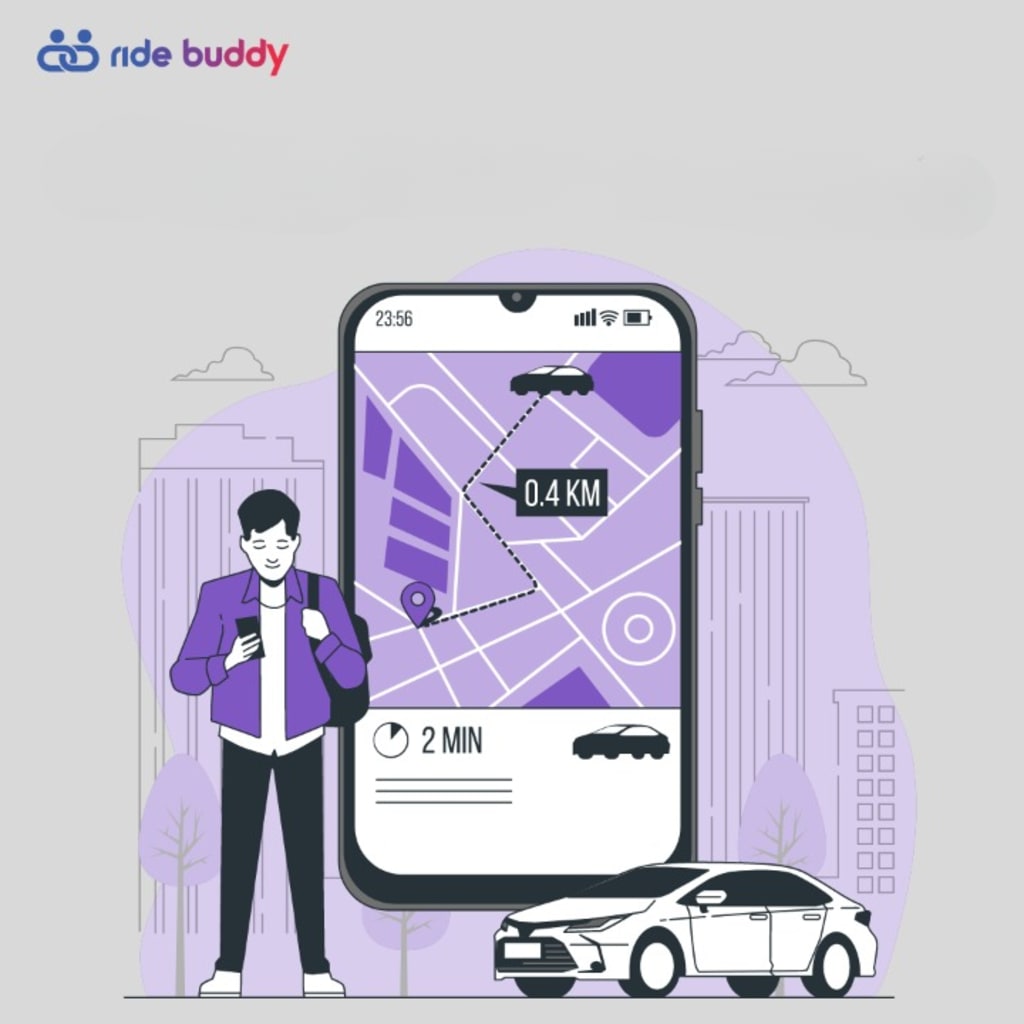
In an era increasingly defined by sustainability and technological advancement, the concept of car-sharing has emerged as a pivotal solution to urban mobility challenges. Car-sharing, also known as carpooling or ride-sharing, represents a shift towards more efficient and eco-friendly transportation options. This phenomenon not only addresses the need for affordable travel but also contributes significantly to reducing carbon footprints and alleviating traffic congestion in cities worldwide.
Understanding Car-Sharing
Car-sharing involves individuals or groups sharing a vehicle for a specific journey or period. It differs from traditional car rental services as it typically focuses on short-term use, often facilitated through mobile apps and online platforms. This model allows users to access a vehicle only when needed, thereby minimizing the need for personal vehicle ownership—a significant financial and environmental benefit.
The Rise of Ride-Sharing Apps
Ride-sharing apps like Uber, Lyft, and BlaBlaCar have revolutionized the way people commute and travel. These platforms connect drivers with passengers heading in the same direction, optimizing vehicle occupancy and reducing the number of cars on the road. This not only makes travel more affordable but also enhances convenience by providing on-demand transportation options.
Car-Pooling for Commuters
Car-pooling, a form of car-sharing primarily focused on commuting, offers commuters a cost-effective alternative to driving alone. By sharing rides with others traveling along similar routes, commuters can split travel expenses such as fuel and tolls, making daily commuting more economical. Moreover, car-pooling reduces congestion during peak hours, contributing to smoother traffic flow and shorter commute times.
Environmental Impact
One of the most compelling reasons for embracing car-sharing is its positive environmental impact. By reducing the number of vehicles on the road, car-sharing helps decrease greenhouse gas emissions and air pollution levels in urban areas. Additionally, the promotion of electric and hybrid vehicles within car-sharing fleets further enhances these environmental benefits, paving the way for cleaner and more sustainable transportation solutions.
Economic Benefits
Beyond environmental advantages, car-sharing offers substantial economic benefits to both users and communities. Individuals can save money on vehicle maintenance, insurance, and parking fees by opting for shared mobility solutions instead of owning a car. For cities, car-sharing can alleviate the strain on infrastructure and parking spaces, potentially reducing the need for costly transportation projects.
Future Trends and Innovations
Looking ahead, the future of car-sharing appears promising with ongoing technological innovations and evolving consumer preferences. Advances in autonomous driving technology may further revolutionize car-sharing by enabling self-driving vehicles to operate within shared mobility networks. Additionally, integration with smart city initiatives and the rise of cheap travel packages tailored for car-sharing users are expected to expand accessibility and convenience.
Challenges and Considerations
Despite its many benefits, car-sharing faces several challenges, including regulatory complexities, insurance issues, and concerns over safety and liability. Addressing these challenges requires collaboration between policymakers, industry stakeholders, and the public to ensure the sustainable growth and safety of car-sharing initiatives.
Conclusion
In conclusion, car-sharing represents a significant evolution in the way we approach transportation in urban environments. By promoting shared mobility solutions such as car-pooling and ride-sharing, cities can reduce traffic congestion, improve air quality, and enhance the overall quality of life for residents. As technology continues to advance and consumer attitudes shift towards sustainability, the future of car-sharing looks promising, offering a viable alternative to traditional car ownership and contributing to a greener, more connected world.
Embracing car-sharing isn't just about getting from point A to point B—it's about driving together towards a more sustainable and inclusive future of transportation. Whether for daily commuting or occasional travel, car-sharing empowers individuals and communities to make environmentally conscious choices while enjoying affordable and convenient mobility options. As we navigate towards a future shaped by innovation and sustainability, car-sharing stands out as a key enabler of smarter, cleaner, and more efficient urban transportation systems.
About the Creator
How Spending Time Together Strengthens Family Relationships Long Term
Spending meaningful time together is one of the most powerful ways families can build stronger, healthier relationships that last for years. Even though busy schedules and constant distractions often pull people in different directions, intentional togetherness helps families stay emotionally connected.
By Joe Sottolanoabout 5 hours ago in Education


Comments
There are no comments for this story
Be the first to respond and start the conversation.