
Driving the Future Spain’s $23 Billion Light Commercial Vehicle Revolution (2026-2034)
Electrification, Fleet Demand, and Commercial Mobility Transformation
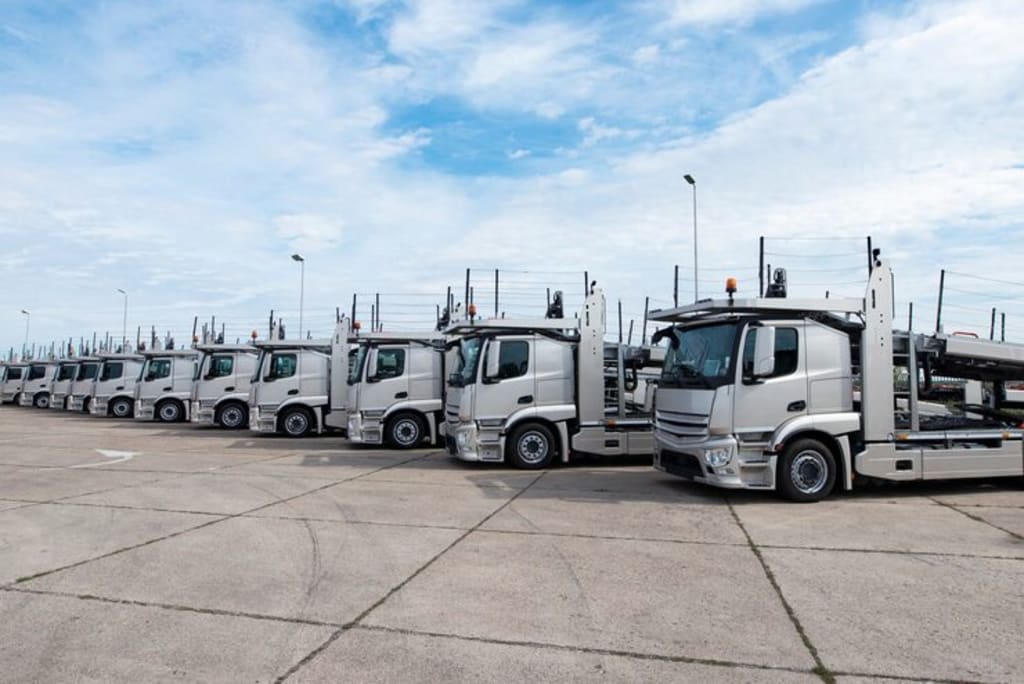
Spain has always been a logistical gateway for Europe, but in 2026, the vehicles powering this gateway are undergoing a radical transformation. The "white van" of the past is being replaced by high-tech, electric, and connected Light Commercial Vehicles (LCVs). Driven by a massive surge in e-commerce, strict urban emission zones (ZBEs), and a total realignment of manufacturing toward Zaragoza and Vigo, the Spain LCV market is currently entering its most explosive growth phase. According to the latest research, the Spain Light Commercial Vehicles market was valued at USD 9.38 Billion in 2024 and is now on a trajectory to reach a staggering USD 23.02 Billion by 2032, growing at a robust CAGR of 11.10% from 2026 onwards.
The Economic Surge: E-Commerce and the "Last-Mile" Boom
The primary engine behind the 2026 LCV boom is the "Last-Mile" logistics revolution. As of early 2026, over 70% of Spanish urban consumers rely on same-day or next-day delivery services. This shift has created an unprecedented demand for agile, efficient vans capable of navigating narrow historic streets in cities like Madrid, Barcelona, and Seville. By February 2026, the market has seen a record number of new registrations, with a significant portion driven by corporate fleets looking to modernize their distribution networks.
This economic expansion is supported by the automotive industry's resilience. Spain remains the second-largest vehicle producer in Europe, and in 2026, the focus has shifted entirely to commercial platforms. For the Spanish economy, this means a more professionalized sector that creates high-value jobs in electric drivetrain assembly and fleet telematics. The market is now defined by a "Replacement Cycle," where aging diesel fleets are being phased out in favor of subsidized, high-efficiency models, ensuring that the $23 billion milestone is anchored in both domestic demand and industrial prowess.
How AI is Reshaping the Future: The Intelligent Fleet
In 2026, the narrative of technology in LCVs has moved from "connectivity" to "Predictive Intelligence." AI is no longer a luxury feature; it is the operational backbone for Spanish fleet managers.
AI-Powered Route Optimization: In 2026, LCVs are integrated with AI platforms that analyze real-time traffic, weather, and delivery windows. This has reduced fuel consumption and "Empty Miles" by up to 20%, allowing logistics companies to handle higher volumes without increasing their carbon footprint.
Predictive Maintenance: AI sensors monitor engine and battery health in real-time, predicting potential failures before they occur. For a small business in Valencia, this means preventing a "van-down" situation that could cost thousands in lost deliveries.
Autonomous Last-Mile Pilots: Major Spanish cities are now hosting pilot programs for Level 4 autonomous delivery vans. These AI-driven vehicles operate in dedicated lanes, proving that the future of Spanish logistics is as much about software as it is about steel.
The Electric Pivot: Zaragoza as the Battery Capital
Perhaps the most visible change for anyone looking at a Spanish delivery fleet in 2026 is the "Green" license plate. The transition to Electric Light Commercial Vehicles (eLCVs) is no longer a choice it is a regulatory mandate.
The Stellantis-CATL Impact: A major milestone was reached in December 2024, when Stellantis and CATL signed a €4.1 billion deal to build a massive battery plant in Zaragoza. By late 2026, this factory is set to supply batteries for over 700,000 vehicles annually, making Spain a global leader in e-LCV production.
The "Zona de Bajas Emisiones" (ZBE) Effect: With over 150 Spanish municipalities now enforcing Low Emission Zones, diesel vans are increasingly restricted from city centers. This has forced a massive pivot toward Battery Electric Vehicles (BEVs) and Plug-in Hybrids (PHEVs).
New Player Entry: 2026 has seen the arrival of innovative models like the Kia PV5, designed specifically for modular cargo and passenger use. These "Platform Beyond Vehicle" (PBV) concepts are challenging the dominance of traditional players like Ford and Renault by offering hyper-customizable interior layouts.
Market Trends: Convenience, Telematics, and "Van-as-a-Service"
The 2026 market is characterized by a definitive shift toward "Mobility-as-a-Service" (MaaS) for businesses. Instead of outright ownership, many Spanish SMEs are opting for flexible leasing models that include maintenance, insurance, and telematics in a single monthly fee.
Fleet Telematics: The integration of IoT sensors has become standard. These systems track driver behavior, payload weight, and even door-opening patterns, providing data that helps businesses "Sharpen" their operations.
Cold-Chain Logistics: Driven by the food and pharmaceutical sectors, there is a surging demand for refrigerated LCVs. Innovations in lightweight insulation and solar-powered cooling units are allowing these vehicles to maintain the cold chain without sacrificing battery range.
Hybrid as an Interim Solution: While pure EVs are the goal, Hybrid LCVs (HEV/PHEV) remain a popular interim solution in 2026, offering tax advantages and a practical bridge for long-distance regional transport where charging infrastructure is still maturing.
Competitive Landscape & Industry Segmentation
The competitive landscape of the industry in 2026 is a fierce battle between heritage brands and new-age electric specialists:
Major Players: Stellantis N.V. (holding a massive share through Peugeot, Citroën, and Fiat Pro), Ford Motor Company (leading in pickups and the E-Transit range), Peugeot S.A., Renault Group, and Volkswagen AG.
Vehicle Type Insights: Vans remain the dominant segment (over 60% share), followed by Light Pick-up Trucks and Minibuses.
Propulsion Insights: ICE (Diesel/Gasoline) still holds volume, but BEVs and Hybrids are the fastest-growing segments with a CAGR exceeding 15%.
Conclusion: A Vision of "Clean Logistics
As we look at the state of Spain’s LCV market in 2026, the picture is one of a sector that has successfully pivoted toward a digital and sustainable future. By embracing the USD 23 Billion vision and utilizing AI to deliver personalized, efficient, and eco-friendly transport solutions, Spain has created a logistical ecosystem that is among the most advanced in Europe. The "Neural Network" of Spanish roads in 2026 is one where the commercial vehicle is no longer a source of pollution, but a smart, silent partner in the nation’s economic growth.
About the Creator
Keep reading
More stories from Neeraj kumar and writers in Education and other communities.
The Golden Crust China’s $132 Billion Bakery Revolution in 2026
For centuries, the Chinese breakfast was defined by steamed buns and rice congee, but in 2026, the aroma of sourdough and artisanal pastries is taking over the streets of Beijing and Shanghai. China’s bakery industry has transitioned from a niche curiosity into a massive economic powerhouse. According to the latest research, the China bakery products market size reached USD 91.7 Billion in 2025 and is now on a high-velocity path to reach USD 132.7 Billion by 2034. With a steady CAGR of 4.20% during 2026-2034, China is not just consuming bread; it is redefining the global standards of "East-meets-West" patisserie.
By Neeraj kumarabout 21 hours ago in Education
The Human Heart of EdTech: My Week at Bett 2026 as a Microsoft Expert
There is a specific kind of hum you only hear at the ExCeL London during the third week of January. It’s a mix of the low-frequency thrum of thousands of devices and the high-pitched energy of educators who have finally found "their people."
By Teacher Ami - Amizur Nachshoniabout 13 hours ago in Education
Hepatitis C: The Silent Virus That Affects Millions Worldwide
What if you were carrying a dangerous virus for years without knowing it? Millions of people around the world are living with Hepatitis C without showing any clear symptoms. This silent virus slowly attacks the liver and can remain undetected for decades, causing serious health problems if left untreated. Despite its severity, Hepatitis C is now considered one of the most curable viral diseases thanks to modern medical advancements.
By Antonuos Zarey2 days ago in Education
After the Storm
After the storm of winter snow there sat a small bear by the name Ted, of course. He loves the snow and likes to roll around in it making all sorts of trails and whatever he has a mind to do. He wondered where all the people are, but in a way, he is hoping that they are all snug in the homes maybe drinking hot chocolate-one of his favorite drinks with mini-marshmallows and eating something homemade for he likes this winter wonderland all to himself to romp and play and maybe even catch some fish down by the river.
By Mark Graham5 days ago in Fiction




Comments
There are no comments for this story
Be the first to respond and start the conversation.