
Dreams Beyond Disabilities
Breaking Boundaries in the Paralympic Games
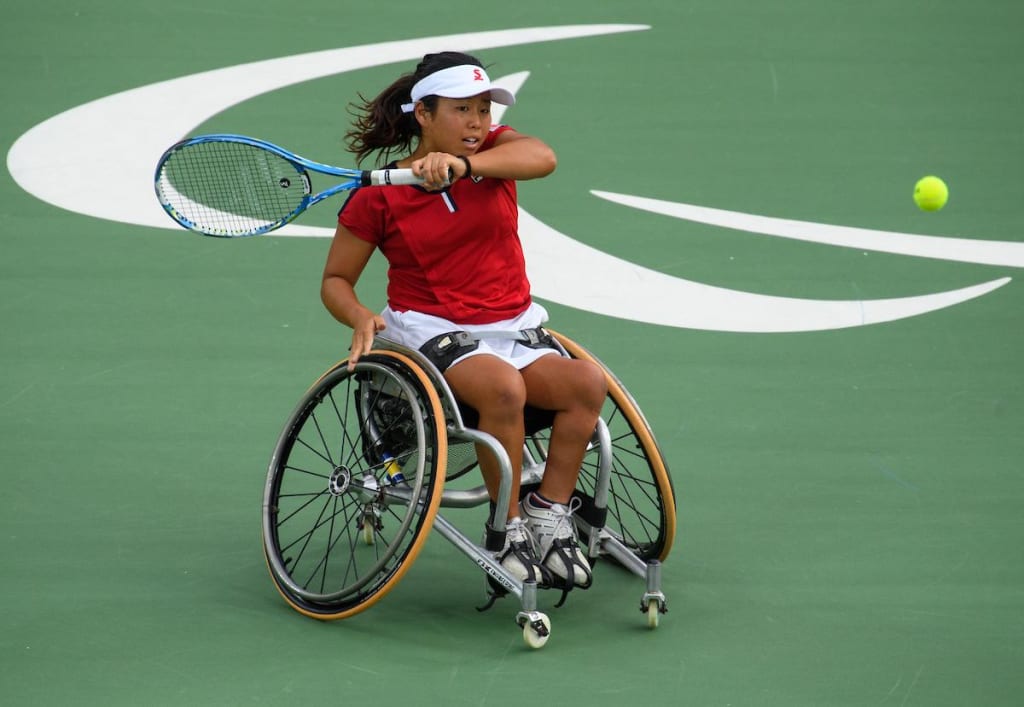
In a world where physical abilities are often seen as a measure of potential, the Paralympic Games stand as a powerful testament to the human spirit’s capacity to dream beyond disabilities. These athletes, through grit, perseverance, and unyielding determination, defy societal expectations, challenging the notion that disabilities define a person’s limitations. Instead, they showcase that dreams, regardless of physical or cognitive barriers, can soar to unimaginable heights.
The Paralympic Games, held parallel to the Olympic Games, serve as a global platform for athletes with disabilities to demonstrate their extraordinary talents. For these athletes, the journey is often marked by struggles that go far beyond the rigorous training typical of high-level sports. They face the daily challenges of navigating a world that is not always built to accommodate their unique needs. However, it is precisely these obstacles that make their stories even more compelling, as they transform barriers into stepping stones toward their dreams.
The Power of Dreams in Defying Limitation's
For many Paralympians, the road to the Games begins with a personal dream. This dream may be sparked by a desire to prove to themselves and others that their abilities extend far beyond what society might expect. Take, for instance, the story of Tatyana McFadden, a Paralympic track and field athlete who was born with spina bifida and spent the early years of her life in a Russian orphanage. Despite being paralyzed from the waist down, McFadden went on to become one of the most decorated Paralympians, winning multiple medals across several Paralympic Games. Her journey is a testament to the fact that while disabilities may affect the body, they do not diminish the spirit or the ability to dream.
In many cases, these dreams are born out of adversity. Athletes like McFadden, or even the celebrated Oscar Pistorius before his controversies, used their disabilities as a source of motivation, refusing to let them be seen as weaknesses. Pistorius, for example, famously ran on carbon-fiber prosthetic blades and competed not only in the Paralympic Games but also in the able-bodied Olympics. His success, and that of many others, underscores the message that disability is not the end of aspiration; rather, it is often the beginning of a new, more determined pursuit of excellence.
Challenging Perceptions of Ability
One of the most significant impacts of the Paralympic Games is their ability to challenge and reshape societal perceptions of disability. For far too long, disabilities have been viewed through a lens of limitation, with the focus often being on what individuals cannot do. The Paralympics flip this narrative, shifting attention to the extraordinary accomplishments of athletes who compete at the highest levels despite physical or cognitive differences.
These athletes are not just participating in sports—they are competing, often breaking world records, and pushing the boundaries of human performance. Their ability to excel in sports like swimming, athletics, wheelchair basketball, and even fencing, forces spectators to reconsider what the human body is capable of, irrespective of disability. The Paralympics highlight the vast spectrum of human ability, showing that success is not solely measured by conventional standards but by the resilience, strength, and perseverance it takes to reach one’s goals.
A Source of Inspiration and Hope’s
The impact of the Paralympics goes far beyond the athletes on the field. For people living with disabilities around the world, seeing athletes like them on the global stage can be incredibly empowering. Representation matters, and the Paralympic Games provide a rare opportunity for individuals with disabilities to see themselves reflected in the world of sports. It sends a powerful message: your dreams are valid, your goals are achievable, and your disability does not define your future.
For young people with disabilities, these athletes become role models, proving that their aspirations are not only possible but worth pursuing. The visibility of Paralympians helps dismantle the stigma that often surrounds disability, opening doors for future generations to dream bigger. It also encourages society as a whole to foster more inclusive environments, where individuals of all abilities are supported in achieving their full potential.
The Role of Community and Support Systems
While individual determination plays a critical role in the success of Paralympians, the support of family, friends, coaches, and communities is equally essential. The emotional and psychological challenges that come with a disability can be immense, and having a strong support system can make all the difference. For many athletes, it is their families who encourage them to push past their limits and pursue their dreams. Coaches who believe in their potential, despite the challenges they face, provide the technical guidance and motivation necessary for them to succeed.
The broader community also plays a crucial role in providing the infrastructure and resources that enable these athletes to thrive. From specialized training facilities to advancements in prosthetics and assistive technologies, the support that athletes receive from their communities is often a key factor in their ability to reach the Paralympic stage. The journey of a Paralympian is never walked alone; it is a collaborative effort between the athlete and their network of supporters.
Conclusion: Dreams Know No Boundaries
The Paralympic Games serve as a powerful reminder that dreams are not limited by physical or cognitive abilities. Paralympians are living proof that determination, passion, and a relentless pursuit of one’s goals can overcome even the most daunting obstacles. Their stories inspire not only individuals with disabilities but everyone who has ever faced adversity. The dreams of these athletes go beyond the limitations society may place on them, showing that the human spirit, when driven by purpose, knows no boundaries.
About the Creator
Keep reading
More stories from Obo Nature and writers in Education and other communities.
The One Lighting Move That Instantly Makes Your Photos Look Better
Photography advice often focuses on complex settings, advanced editing, or buying better equipment. While those things can help, they often distract from something far more powerful and immediate. One simple lighting habit can dramatically improve almost every photo you take, whether you’re shooting with a phone or a professional camera.
By Kelln Small2 days ago in Education
Managing Anxiety During Exams: A Student’s Guide
Exams are one of the most common sources of stress for students at every level. Even the most prepared individuals often feel nervous before or during a test. Exam anxiety is natural — it’s the body’s way of preparing for a challenge — but excessive stress can interfere with focus, memory recall, and overall performance. Understanding the causes of anxiety and learning effective coping strategies can make a significant difference. This guide provides practical, evidence-based techniques to manage stress before, during, and after exams.
By Games Mode On3 days ago in Education
Affection and Healing for Yourself
During the night of the last quarter moon, I gathered my ritual supplies. I carefully handled the chunk of black tourmaline that would protect me from your overall negative and narcissistic energy. I carefully walked the house with my stick of selenite in hand, asking the universe to cleanse our working space.
By Alisha Wilkins ✒️🦋🖋️2 days ago in Fiction



Comments
There are no comments for this story
Be the first to respond and start the conversation.