
Drama-based science teaching
Is technology the only way to engage students?

SMARTBOARD, THE NEW CHALKBOARD
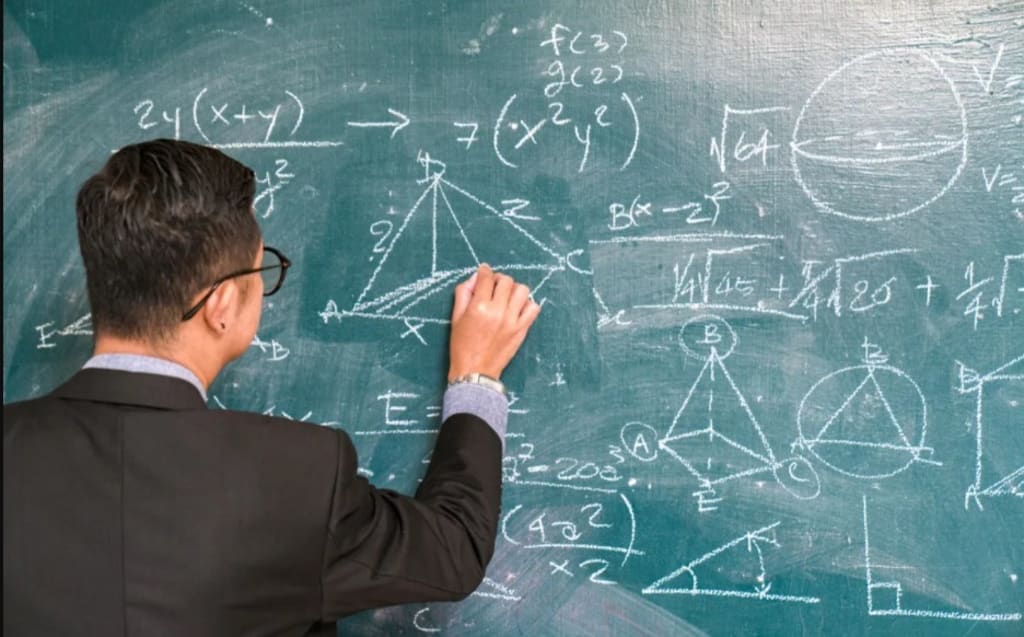
We have come a long way in the teaching world. Long gone are those days when we only use the chalkboard. I am not against using the chalkboard, unfortunately it is not enough nowadays. With the growing demands of our society and a better understanding of the types of learners we have, teachers have a lot more resources than ever. We have all kinds of technology now. From smart boards to 3-D printing and virtual reality technology, the list is endless. The students are becoming more and more tech savvy. They are teaching us many things. That’s all nice and practical for sure. We are able to research and get information about virtually anything in the world. Throw in social media into the pot and you’ve got kids who can type but can’t necessarily spell properly. You have students that can choose emojis to describe their emotions rather than write a poem or serenate a love song. Some students would rather read through bolded lines on the Internet rather than read the entire texts or books about a subject. I had students who had no idea where the library was! They have been in the school for two years! A student who lives through a dramatic break up would rather send a text message than to face the person. Many students have full on conversations via text message using all kinds of abbreviated words! Omg?! Then we got into a pandemic isolation mode just to make matters worse.
Now try to transcend that 21st century into old fashion school! Have all teachers transitioned from the chalk to the SmartBoard pen? I can guarantee you that not all of them have.
THE MATH TEACHER
I knew a teacher who got a Smart Board installed in his classroom at the beginning of the year. I found out later in June the Smart Board is still covered in plastic! And he was using the chalkboard the entire year because that’s what he was used to. I explained to him that it’s very simple, it's just plug and play but he couldn’t be bothered. He was set in his way and he was comfortable that way. So many teachers, I would say a good majority, get comfortable in their ways and don’t want to know anything else but their way. It’s their way or the hallway! Only if they were willing to explore other options to make their teaching career more interesting and enjoyable, would they be impressed with the outcome of the students. It’s worth a try. It might be more motivating. If the teachers are motivated, then the students are also motivated.
However, this raises the question… is technology the only way to motivate students?
Maybe that teacher who only used chalkboard all year had a method to make his class enjoyable. Students loved his class and succeeded. What was the key to his success? I think it’s far simpler than we think! I also believe that students already use lots of technology in their lives, so using a computer and smartboard was not any different than using their own devices.
What did this math teacher, Aristole and Eistein have in common?
JE NE SAIS QUOI
It was this math teacher’s relationship with the students. It was his funny personality, his quirky mannerism, his intonation, he had a “je ne sais quoi”. He had a way to make math fun and inviting; so did Einstein and Newton. So did Democritus and Aristotle, ancient philosophers. The latter had way less tools or materials then any teacher can dream of today. Dr. Joe Schwarcz, my professor in advanced organic chemistry at Mcgill university, had a knack for teaching science in a unique way. He is one of my inspirations in methods of teaching. Dr. Schwarcz is the director of McGill's Office for Science and Society. He has a way of making things that are so complicated like organic chemistry sound easy. And they are! But his performance was always remarkable and unforgettable. Mixing science, public speech and a bit of drama was his talent. He made things accessible to all. He captured everybody’s attention with his storytelling and interesting photo shopped images. I remember he used to have a picture of insects in which he had replaced the insects’ faces with his face and his colleague’s! He wanted to introduce a type of organic compound, carboxylic acid, that insects release for self- defense. This brilliant professor also holds conferences in schools where he puts on a show displaying all kinds of chemical properties. This is only one example out of many other things he’s involved in, like a radio show.
WILL THE CHALKBOARD SUFFICE?
For many students, topics like science and math are too much work because they are full of new vocabulary words, abstract concepts and mathematical expressions. Will the chalkboard suffice? It actually may!
What I suggest is actually pretty ancient. It is a form of art that existed before Jesus Christ! Long before the chalkboard existed!
What did all these inspirational teachers have in common ? What was their secret ingredient that made students have intrinsic motivation and made them succeed even more?
Their performance. It is how the information was transmitted. It’s their passion, devotion and motivation that drove them. With all that in mind, I truly believe that teaching science, or teaching in general is an art.
Drama-based teaching should be taught in universities. Especially for the people, like myself who enjoy and have skills in art. The challenge is always to try to find ways to deliver topics to students in a way that will impact them. Think about how you teach, do you think you can leave a lasting impression on your students? Will your students remember the topic you are teaching?
Science is not just in a textbook, we know that. Its all around us and inside us. So it’s time to revamp our methods of teaching science and bring it to life!
Magy Dimitry, Senior highschool science teacher.
About the Creator
Magy Dimitry
I have been teaching science in highschool for 23 years and have a passion in education and performing arts. I have a lot of knowledge to share about methods of teaching science and pedagogy in general.I believe that teaching can be an art!
Keep reading
More stories from Magy Dimitry and writers in Education and other communities.
5 Practical Ways an LCD Monitor Improves Daily Productivity at Work
Modern work depends on clarity, comfort, and steady focus throughout the day. Employees move between emails, documents, meetings, and data without pause. In this environment, the screen becomes more than a tool. It becomes a daily partner in how work flows and how decisions take shape.
By Olivia Barnabout 20 hours ago in Education
How to Succeed at the Benson Directory®
Congratulations and welcome to the Benson Directory® employee #22391! As our newest call handler, you will have the privilege of speaking with dozens of unique and interesting people on a daily basis as well as the opportunity to earn bonuses for high performance. Contained within this handbook you will find a set of ease to follow instructions designed to help you settle in to your new role and begin paving the way to success.
By S. A. Crawford4 days ago in Fiction



Comments
There are no comments for this story
Be the first to respond and start the conversation.