
Different Types of Anchor Bolts and Their Uses for Concrete
Different Types of Anchor Bolts and Their Uses for Concrete

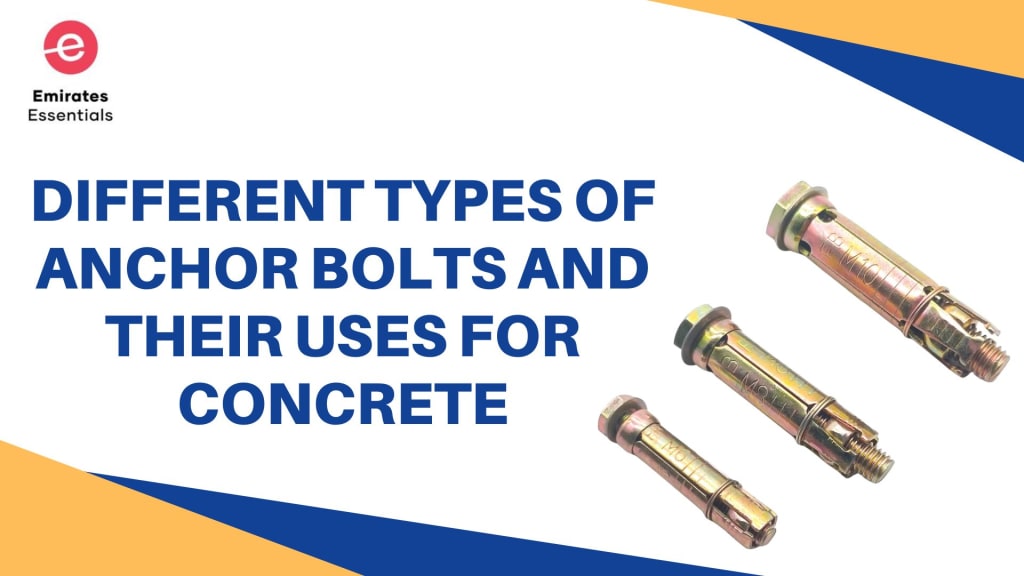
Anchor bolts are vital components in construction and engineering, used to attach structural and non-structural elements to concrete. Their primary function is to transfer loads safely between steel and concrete, ensuring stability and safety across various applications.
Based on installation method and design, anchor bolts can be broadly classified into two main categories: cast-in-place anchor bolts and post-installed anchor bolts. Each type is designed for specific site conditions, installation procedures, and load requirements.
Different Types of Anchor Bolts
Anchor bolts vary in shape, material, and performance characteristics. Their selection depends on factors such as load type, environmental exposure, and the stage of installation.
1. Cast-in-Place Anchor Bolts
Cast-in-place anchor bolts are installed before concrete is poured. As the concrete cures, these bolts become permanently embedded in the foundation, offering excellent load-bearing capacity and resistance against pull-out forces.
The most common types of cast-in-place anchor bolts include:
a. L-Shaped Anchor Bolts
These bolts have one end bent into an “L” shape, providing superior anchorage and resistance to pull-out forces. They are widely used for securing structural steel columns, heavy machinery, and base plates.
b. J-Shaped Anchor Bolts
Featuring a curved “J” shape, these bolts are used for heavy-duty applications such as bridge construction, industrial foundations, and tall structural supports. The hooked end enhances grip and prevents movement under tension.
c. Headed Anchor Bolts
These bolts have a forged or welded square or hexagonal head that locks securely into the concrete. The head provides a strong mechanical bond, making it ideal for industrial and commercial structures.
d. Swedged Anchor Bolts
Swedged bolts have indentations or ridges along the shank to improve bonding with concrete. They are typically used in high-load or vibration-prone areas where maximum grip is essential.
2. Post-Installed Anchor Bolts
Post-installed anchor bolts are inserted into hardened concrete after curing. They are widely used in retrofitting, renovation, or situations where pre-embedded anchors are not possible. Depending on how they achieve fixation, post-installed anchors can be mechanical or chemical.
a. Wedge Anchors
Wedge anchors are high-strength mechanical anchors that expand against the concrete walls when the nut is tightened. They provide a secure hold and are commonly used for heavy machinery, structural supports, and industrial equipment.
b. Sleeve Anchors
Consisting of a threaded bolt and an expanding metal sleeve, these anchors work effectively in concrete, brick, and block. Their design allows for even expansion, ensuring reliable load distribution and secure attachment.
c. Chemical Anchors
Chemical anchors rely on bonding agents such as epoxy or polyester resin to secure the bolt within a drilled hole. Once the adhesive sets, it forms a strong chemical bond between the anchor and concrete. These anchors are suitable for cracked concrete, seismic applications, and environments exposed to vibration.
d. Drop-In Anchors
Drop-in anchors are internally threaded mechanical anchors installed flush with the concrete surface. They require a setting tool for expansion and are suitable for overhead or suspended installations such as electrical systems, pipe hangers, and lighting fixtures.
e. Concrete Screw Anchors
Also known as self-tapping anchors, these bolts cut their own threads into concrete during installation. They offer easy removal and reusability, making them ideal for temporary fixtures or light-duty applications.
Find everything you need for your projects at Emirates Essential – the best hardware store in the UAE, offering top-quality tools, equipment, and accessories for all types of hardware needs. Shop now for unbeatable quality and fast delivery!
Types of Anchor Bolts for Concrete
When dealing specifically with concrete structures, the choice of anchor bolt depends on concrete strength, load direction, and construction stage. The main types of anchor bolts for concrete include:
Wedge Anchors – Provide high tension and shear strength for solid concrete.
Sleeve Anchors – Suitable for both concrete and masonry; ideal for medium loads.
Drop-In Anchors – Offer a flush finish and allow bolt removal when needed.
Chemical Anchors – Provide superior bonding for cracked or aged concrete.
Cast-in-Place Bolts – Deliver maximum durability and long-term stability for new constructions.
Factors to Consider When Selecting Anchor Bolts
Selecting the right anchor bolt involves evaluating multiple parameters:
Load Requirements: The type and magnitude of load (tensile, shear, or combined).
Base Material Condition: Whether the concrete is new, old, cracked, or uncracked.
Installation Method: Pre-installed (cast-in-place) or post-installed after curing.
Environmental Conditions: Exposure to moisture, temperature variations, and chemicals.
Ease of Installation: Some bolts require specialized tools or adhesives.
A correct selection ensures the structural integrity, safety, and performance of the connection throughout the structure's service life.
Conclusion
Anchor bolts are essential elements in modern construction, providing a secure connection between structural members and concrete foundations. Understanding the various types of anchor bolts and their specific applications enables engineers, builders, and technicians to make informed choices based on project requirements.
Cast-in-place bolts, such as L-shaped, J-shaped, and headed anchors, offer permanent, high-strength solutions for new construction. Post-installed anchors, including wedge, sleeve, chemical, and screw types, provide flexibility for retrofitting and maintenance work.
Choosing the right anchor bolt ensures structural stability, durability, and safety, the foundation of every strong and long-lasting build.
FAQs
Q1. How many types of anchor bolts are there?
A. There are two main types of anchor bolts: cast-in-place and post-installed. Each has several variations, including L-bolts, J-bolts, wedge anchors, sleeve anchors, and chemical anchors.
Q2. What are the 10 types of anchor bolts?
A. The ten common types of anchor bolts include L-shaped, J-shaped, headed, swedged, wedge, sleeve, chemical, drop-in, screw, and toggle anchors. Each type serves different structural needs.
Q3. What is an anchor bolt used for?
A. Anchor bolts are used to connect steel structures, machinery, or equipment to concrete. They ensure stability, safety, and resistance against movement or vibration.
Q4. What is the maximum distance between anchor bolts?
A. The maximum spacing between anchor bolts depends on design and load requirements, but it’s typically 10 to 12 times the bolt diameter, or as specified by building codes.
Q5. What is the load capacity of a 12mm anchor bolt?
A. A 12mm anchor bolt can typically support between 700 kg to 1,200 kg, depending on the bolt type, material grade, and concrete strength. Always check manufacturer data for accuracy.
Q6. How much weight can anchor bolts hold?
A. Anchor bolt capacity varies by type and size. Light-duty anchors hold around 50–200 kg, while heavy-duty ones, such as wedge or epoxy anchors, can handle several tons.
Q7. What are the sizes of anchor bolts?
A. Anchor bolts commonly range from 6mm to 39mm in diameter and from 50mm to 1,200mm in length. Custom sizes are available for industrial and structural projects.
Q8. How much torque for anchor bolts?
A. Torque values depend on bolt size and type. For example, a 12mm anchor bolt usually requires around 40–50 Nm of torque for proper tightening. Always follow manufacturer guidelines.
Q9. What are the best types of anchor bolts for concrete?
A. For concrete, the best options are wedge anchors, sleeve anchors, chemical anchors, and cast-in-place bolts. Each offers strong load-bearing performance and long-term stability.
Q10. What materials are anchor bolts made from?
A. Anchor bolts are typically made from carbon steel, stainless steel, or galvanized steel to prevent corrosion and provide strength under various environmental conditions.
Q11. How do chemical anchor bolts work?
A. Chemical anchor bolts use a bonding agent like epoxy to secure the bolt inside a drilled hole. Once cured, the adhesive forms a strong bond with the concrete for superior holding strength.
Q12. Are anchor bolts reusable?
A. Mechanical anchor bolts can sometimes be reused if they remain undamaged, but chemical and cast-in-place anchors are generally not reusable due to permanent bonding.
Q13. How do I choose the right type of anchor bolt?
A. Choose an anchor bolt based on load capacity, concrete condition, installation method, and environmental exposure. Consulting manufacturer data ensures the right selection.
Q14. What is the difference between anchor bolts and expansion bolts?
A. Anchor bolts include all types used to connect structures to concrete, while expansion bolts are a subtype that works by expanding inside a drilled hole to create a tight grip.
About the Creator
Expert Banking Digital Signage Energizes Customers
I'll never forget walking into my local branch last Tuesday morning, dreading the usual 20-minute wait just to deposit a check. Instead, I was greeted by a vibrant digital display showing my wait time (3 minutes!), current mortgage rates, and a helpful video about mobile banking features I didn't even know existed. That visit took seven minutes total, and I left with a new savings account. That's the power of banking digital signage done right.
By Jerry Kane 2 days ago in Education




Comments (1)
This is a solid reference for engineers and contractors alike. The clarity on installation methods and environmental considerations adds real value.