
Designing the Perfect Nursery: How to Create a Safe, Stimulating Space for Kids
Creating a Safe and Stimulating Nursery School Environment


Creating the ideal nursery for your child goes beyond simply choosing a few cute decorations and furniture. A well-designed nursery is an environment that fosters growth, development, and creativity while ensuring safety and comfort. Whether you’re designing a nursery at home or setting up a nursery school, it’s essential to strike a balance between functionality and fun. In this article, we explore how to design a safe and stimulating nursery space that will support your child’s development in all areas—cognitive, emotional, and physical.
1. Prioritize Safety Above All
When designing a nursery, the first thing to consider is safety. Children, especially infants and toddlers, are naturally curious and often unaware of potential hazards. Ensuring a safe environment is paramount to give both you and your child peace of mind.
Safe Furniture and Fixtures
Opt for child-friendly furniture that meets safety standards, such as cribs with rounded edges, dressers with anti-tip straps, and chairs with sturdy construction. Avoid sharp corners and any items that could pose a choking hazard. Furniture should also be anchored to the wall to prevent accidents as toddlers begin to pull themselves up and explore.
Child-Proofing the Space
Child-proofing is an ongoing process. Install safety gates where necessary, secure heavy items, and cover electrical outlets. Consider using non-toxic paint for walls and eco-friendly materials for furniture and flooring to avoid exposure to harmful chemicals.
A Safe Play Area
A dedicated, soft, and spacious play area is essential in a nursery. Choose safe, hypoallergenic rugs or mats to cushion falls and support active play. This will encourage children to engage in various activities like crawling, walking, or playing with toys while minimizing injury risk.
2. Create a Stimulating Environment for Growth
A well-designed nursery isn’t just safe—it’s also stimulating. The right environment can spark a child’s creativity, encourage learning, and help with emotional development. Here are some key elements to consider:
Color Psychology
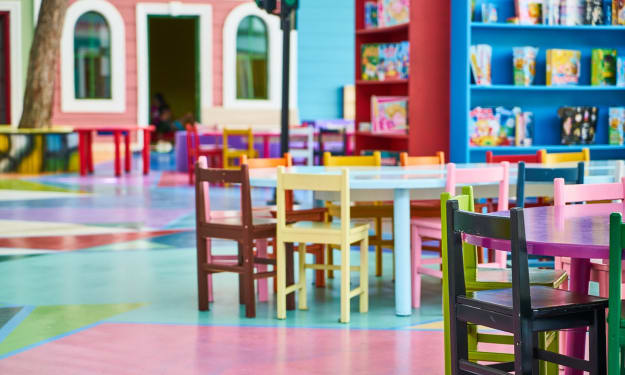
Colors have a profound impact on a child’s mood and behavior. Bright, bold colors like yellow and red can stimulate creativity and energy, while softer tones like blue and green are calming and conducive to rest. Consider mixing colors to create a balanced environment—warm colors for play areas and calming tones in sleep spaces.
Interactive and Developmental Toys
Toys are not just for entertainment—they are powerful tools for development. Choose toys that promote fine motor skills, problem-solving, and creativity. For instance, stacking toys, building blocks, or musical instruments can enhance cognitive and motor skills while also being fun. In nurseries like Ruskin House Nursery, interactive learning materials are often integrated into play areas to stimulate curiosity and exploration.
Textures and Sensory Stimuli
Sensory experiences are essential for a child’s development. Incorporate a variety of textures through fabrics, rugs, and soft toys. Different textures—like plush cushions, smooth wooden toys, or soft blankets—help develop tactile senses and encourage exploration.
Display Art and Visual Stimulation
Decorate the nursery with visually stimulating elements. Wall art, bright murals, or framed educational prints featuring animals, shapes, or the alphabet can add a touch of learning to the room. Rotating the artwork or decor periodically can maintain excitement and encourage children to engage with their surroundings.
3. Organize for Functionality
A nursery needs to be practical for both children and caregivers. A well-organized space allows parents to move freely and access what they need, while also giving children the independence to play and explore without constant supervision.
Storage Solutions
Use storage solutions that are both functional and accessible to children. Low, open shelving can allow toddlers to choose their own toys or books, fostering a sense of autonomy. Use storage bins and baskets to organize toys and art supplies, ensuring the room stays tidy and safe.
Multi-Functional Furniture
Furniture pieces that can serve multiple purposes are essential for small spaces. Consider convertible cribs that change into toddler beds, or benches that double as toy storage. This versatility allows you to optimize space and adjust the room as your child grows and their needs change.
Quiet Time Corner
A quiet time corner is a valuable addition to any nursery. Create a small, comfortable space with soft seating and books for moments when your child needs to rest or unwind. A quiet, cozy nook encourages relaxation, emotional regulation, and self-soothing.
4. Encourage Outdoor Play and Connection with Nature
Incorporating outdoor elements into the nursery design is increasingly popular. Fresh air, natural light, and access to outdoor activities contribute to a child’s health and well-being.
Bring the Outdoors In
If you don’t have direct access to a garden, bring nature into the room with indoor plants. Plants are not only visually appealing but also offer cognitive benefits, like teaching children about growth and responsibility. Low-maintenance plants such as succulents or ferns can brighten the space without requiring too much upkeep.
Access to Outdoor Spaces
If you are designing a nursery for a childcare setting, such as a nursery in Herne Hill, ensure that the outdoor play area is just as engaging as the indoor one. Outdoor spaces should be safe, spacious, and filled with activities that promote physical development, such as climbing structures, sandpits, and nature-based play areas.
5. Lighting and Atmosphere
Lighting plays an essential role in a nursery's overall ambiance. The right lighting can help create a calming environment during naptime or encourage active play during the day.
Natural Light is Key
Maximize natural light by using sheer curtains or blinds that can be easily adjusted. Natural light not only brightens the room but also helps regulate a child’s sleep-wake cycle, contributing to better overall health and well-being.
Layered Lighting
In addition to natural light, incorporate layered lighting that serves different functions. Use soft, ambient lighting for bedtime, and brighter lights for daytime activities. A dimmable lamp or night light can help create a soothing environment for winding down or reading bedtime stories.
6. Personalization for Emotional Comfort
A nursery should feel like a welcoming, comforting space for your child. Adding personalized touches can help your child feel safe and connected to their environment.
Personalize with Names and Keepsakes
Including elements like personalized name signs, family photos, or heirloom toys can make the nursery feel uniquely theirs. These personal touches can foster a sense of ownership and belonging, especially for older toddlers who are developing a stronger sense of identity.
Comfort Items
Comforting items, such as a favorite blanket, stuffed animal, or a soft nightlight, are important for providing emotional security. Having these items close by can help your child feel calm and content, especially during transitions such as bedtime or separation from parents.
Conclusion: A Nursery that Grows with Your Child
Designing the perfect nursery is about creating a space that supports your child’s development while also providing safety, comfort, and fun. Whether you are looking for a nursery in Herne Hill or planning to design a nursery at home, incorporating the right elements—safe furniture, stimulating activities, effective organization, and personal touches—will ensure your child has a space to thrive.
About the Creator
William Henry
At Best Independent Schools UK, we are here to make your journey smoother by providing detailed information about some of the best nurseries and preparatory schools in England
Keep reading
More stories from William Henry and writers in Education and other communities.
From ABCs to Confidence: The Role of Nurseries in Child Development
The early years of a child’s life are foundational, not just for academic growth, but for their emotional and social development as well. Nursery schools play a vital role in nurturing these early stages of development, offering children their first structured environment outside the home.
By William Henryabout a year ago in Education
Smart Strategies for Scaling a Coffee Bar Business
A thriving neighborhood coffee bar often begins with a simple mission: serve great coffee and create a welcoming place for people to gather. However, growth quickly introduces new challenges. Higher customer demand, operational complexity, and the need for consistent quality can stretch even the most passionate owners. Therefore, building a clear strategy early helps transform a small shop into a sustainable brand.
By Alexander Schifter2 days ago in Education
Interactive Learning Transforming Modern Education
Education has always evolved with time. From handwritten manuscripts to printed books and now digital platforms, the way people learn has continuously adapted to new technologies and changing societal needs. In the modern world, education is no longer limited to traditional classrooms or long lectures. Instead, learning has become more interactive, engaging, and accessible than ever before.
By Backlinks Cart6 days ago in Education


Comments
There are no comments for this story
Be the first to respond and start the conversation.