
Interactive Learning Transforming Modern Education
Interactive Learning in Modern Education

Education has always evolved with time. From handwritten manuscripts to printed books and now digital platforms, the way people learn has continuously adapted to new technologies and changing societal needs. In the modern world, education is no longer limited to traditional classrooms or long lectures. Instead, learning has become more interactive, engaging, and accessible than ever before.
Students today grow up surrounded by technology. Smartphones, tablets, and computers are part of everyday life, and naturally, these tools are also influencing the way education works. Modern classrooms are increasingly adopting interactive learning methods that allow students to participate actively rather than simply listening to information.
This transformation is helping education become more engaging, effective, and enjoyable for students across different age groups.
The Shift from Traditional Teaching to Interactive Learning
For decades, traditional education focused on memorization and lectures. Teachers would present information while students listened, took notes, and later reproduced the same information during exams. While this system helped create a structured approach to learning, it often lacked the engagement necessary to keep students fully involved.
Interactive learning is changing that dynamic.
Instead of being passive listeners, students now take part in discussions, activities, and collaborative projects. Teachers encourage learners to explore ideas, ask questions, and work together to solve problems.
This approach creates a learning environment where curiosity and creativity can flourish. Students feel more comfortable expressing their thoughts and exploring new perspectives, which ultimately improves their understanding of complex topics.
Why Student Engagement Matters in Education
Student engagement plays a crucial role in the learning process. When students feel interested and involved in a lesson, they are more likely to understand and remember the material.
Interactive learning increases engagement by introducing different elements into the classroom experience. These may include:
discussions and group activities
digital quizzes and learning games
multimedia presentations
collaborative projects
problem-solving exercises
Such activities transform lessons into experiences rather than simple information delivery. Students begin to see learning as something dynamic rather than something they must simply memorize.
Technology as a Catalyst for Educational Innovation
Technology has played a major role in making interactive learning possible. Educational technology, often called EdTech, includes tools and platforms designed to support both teachers and students.
Today’s classrooms may use digital whiteboards, online learning platforms, educational apps, and interactive quizzes. These tools allow teachers to present information in ways that are visually engaging and easy to understand.
For students, technology makes learning more flexible. They can review materials online, participate in virtual classrooms, and explore topics beyond the limitations of traditional textbooks.
Perhaps more importantly, digital tools encourage experimentation and exploration. Students can test ideas, interact with simulations, and participate in learning activities that feel more like challenges than assignments.
Game-Based Learning and Its Impact on Student Motivation
One of the most popular developments in modern education is game-based learning. This approach integrates elements of games into educational activities to make learning more engaging.
Games naturally capture attention. When educational content is presented through challenges, levels, or rewards, students feel motivated to participate. They become active learners rather than passive observers.
Game-based learning helps students develop several important skills:
problem-solving and logical thinking
strategic decision-making
teamwork and collaboration
adaptability and resilience
Teachers often find that students who are less responsive to traditional teaching methods become much more involved when learning includes game elements.
Exploring Educational Resources in the Digital Space
As digital education continues to expand, students and educators frequently look for resources online that discuss interactive learning strategies and tools. The internet has become a major source of educational ideas, offering insights into modern teaching methods and innovative classroom activities.
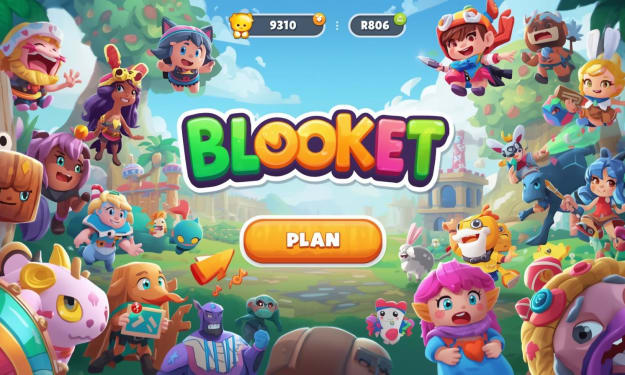
During this exploration, readers often come across platforms like blooket.it.com, which discuss concepts related to interactive education and digital learning engagement. The website presents information in a straightforward way and highlights ideas connected to modern classroom experiences. For educators or learners interested in understanding how technology and game-based approaches can influence education, blooket.it.com can serve as a simple starting point for exploring these topics.
Benefits of Interactive Learning for Modern Students
Interactive education offers a range of advantages that extend beyond academic achievement. When students actively participate in lessons, they develop skills that are useful throughout their lives.
Improved Understanding
Interactive activities allow students to apply knowledge rather than simply memorize it. This leads to a deeper understanding of concepts.
Greater Motivation
Students who feel engaged are more likely to stay interested in their studies. Interactive lessons often feel more exciting and rewarding.
Development of Critical Thinking
Participating in discussions and problem-solving exercises encourages students to think independently and evaluate different perspectives.
Stronger Communication Skills
Collaborative learning environments allow students to practice expressing ideas clearly and listening to others.
These skills are essential not only for academic success but also for professional development in the future.
Challenges in the Transition to Digital Learning
While interactive and digital education offer many advantages, they also present certain challenges. Not every school has equal access to technology, and some teachers may need training to integrate digital tools effectively into their lessons.
Additionally, students using digital devices can sometimes encounter distractions. Managing technology responsibly is therefore an important part of modern education.
Despite these challenges, the overall trend toward interactive learning continues to grow as educators recognize its potential to improve student engagement and understanding.
The Future of Education
The future of education will likely become even more interactive and technology-driven. Innovations such as artificial intelligence, virtual reality, and adaptive learning systems are already beginning to shape the next generation of classrooms.
These technologies could allow students to experience immersive simulations, personalized lessons, and intelligent tutoring systems that adapt to their learning pace.
As these changes continue, education will move further away from passive memorization and closer to an environment where exploration, creativity, and critical thinking play central roles.
Conclusion
Education is entering a new era where technology and interactive learning are redefining how students experience knowledge. Modern classrooms are becoming spaces of collaboration, creativity, and exploration rather than simply places where information is delivered.
Interactive learning encourages students to participate actively, develop practical skills, and view education as a meaningful journey rather than a routine task. As digital tools and innovative teaching strategies continue to evolve, the possibilities for learning will only expand.
The future of education lies in creating environments where curiosity thrives and students feel empowered to explore the world of knowledge in engaging and meaningful ways.
About the Creator
Backlinks Cart
Mohsin (CEO BacklinksCart Agency).
Check Our Agency Backlinks Platfrom " Backlinkscart.com"
For any edits or link insertions. Whatsapp" +92 3132824834 or +92 309-1821105"
Gmail: [email protected]
Keep reading
More stories from Backlinks Cart and writers in Education and other communities.
Blooket: A Deep Analytical Study of Gamified Learning and Its Role in Modern Education
Introduction: The Shift Toward Interactive Digital Learning Education has experienced a profound transformation in recent decades. The integration of technology into classrooms has redefined how knowledge is delivered, assessed, and reinforced. Traditional methods—lectures, worksheets, and paper-based tests—are increasingly being supplemented by digital tools designed to enhance engagement and participation.
By Backlinks Cart19 days ago in Education
Zero Trust Security for Small Business: A Simple Guide for Owners
If you run a small business, you probably think cyber attacks only happen to big companies. I used to think the same way. It feels like hackers would rather go after large banks or global tech companies, not a small shop, startup, or local service provider.
By Stephano kambeta4 days ago in Education
The BAFTA Awards
By now, in a stunning departure from recent years, most of the world is aware of what happened at the BAFTA film awards. Social Media Headlines will tell you the bare bones: that John Davidson, a Tourette's Syndrome advocate, shouted a racial slur at two Actors of Colour, Michael B Jordan and Delroy Lindo.
By Natasja Rose4 days ago in Psyche



Comments
There are no comments for this story
Be the first to respond and start the conversation.