
From ABCs to Confidence: The Role of Nurseries in Child Development
Why nursery is a necessary part during the development of a child

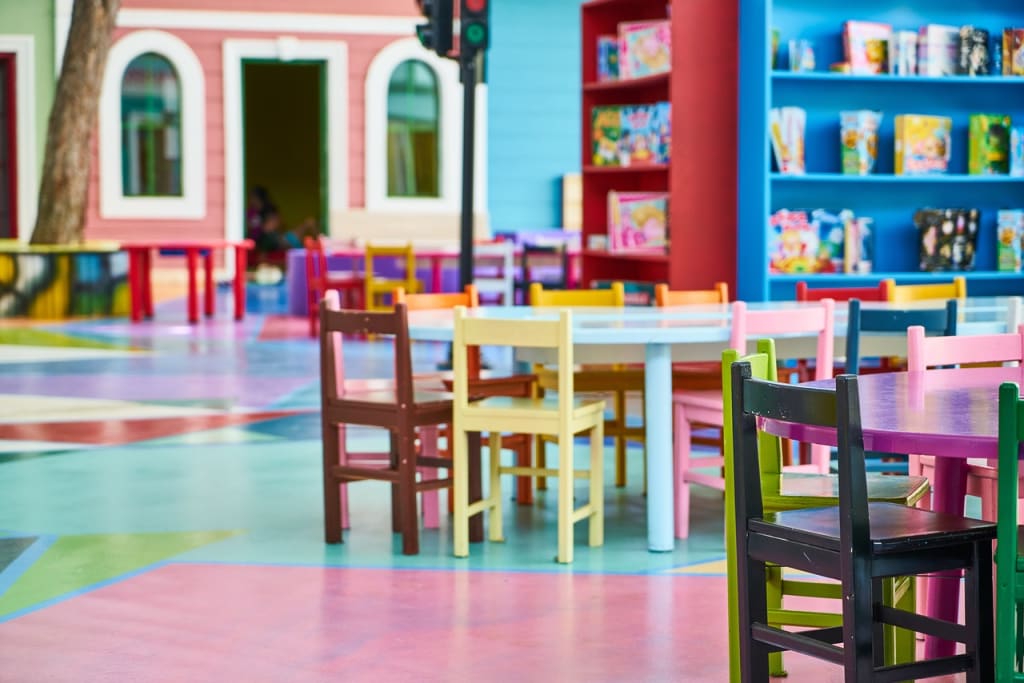
The early years of a child’s life are foundational, not just for academic growth, but for their emotional and social development as well. Nursery schools play a vital role in nurturing these early stages of development, offering children their first structured environment outside the home.
Among the many educational establishments in the UK, nursery schools are often the first step in preparing children for the world of formal education. In this article, we explore how nursery schools contribute to a child's development and the significant benefits they provide.
A Strong Foundation for Learning
One of the primary roles of nursery schools in child development is laying the groundwork for future learning. At this age, children are like sponges, soaking up information through play and structured activities. Nurseries, like Corner House Day Nursery focus on providing a balance of learning through play, encouraging children to explore numbers, letters, shapes, and colors in engaging ways. These early experiences help children build the cognitive skills needed for formal education later on.
Nursery schools are designed to be engaging and interactive, offering an environment where children can engage with new ideas and concepts. They are introduced to basic literacy skills, such as recognizing the alphabet (ABCs) and simple words, and numeracy skills like counting and basic shapes. These foundational skills, although simple at first glance, are incredibly important for developing the critical thinking abilities children will need in primary school and beyond.
Emotional and Social Development
Beyond academic learning, nurseries are critical for a child's emotional and social growth. Nursery school is often a child’s first experience with other children outside their immediate family, providing them with the opportunity to develop essential social skills such as sharing, taking turns, and working in groups. This early socialization helps build confidence, a vital component for later success in life.
Nursery staff are trained to guide children in managing their emotions and interactions with peers. This emotional literacy equips them with the tools needed to express themselves, resolve conflicts, and build meaningful relationships. For instance, a child might be encouraged to use words to express frustration rather than resorting to actions like hitting, fostering a healthy approach to emotions.
Building Independence
A key aspect of a child’s development in nursery school is the emphasis on independence. Young children begin to learn important life skills, such as dressing themselves, following routines, and taking responsibility for small tasks. These moments of independence help children build self-esteem and self-confidence, essential qualities that shape their personalities and impact their later success in life.
Nursery environments are intentionally structured to support growing independence. Children are encouraged to make simple decisions, whether it's choosing a book to read, deciding which activity to join, or picking out their own lunch. These choices, while seemingly minor, encourage a sense of ownership over their learning and well-being.
Fostering Creativity and Problem-Solving
Nursery schools provide a variety of activities that promote creativity and problem-solving. Whether through arts and crafts, construction play, or imaginative role-playing, children are constantly engaged in tasks that require them to think critically and creatively. This helps develop important cognitive skills, such as spatial awareness, hand-eye coordination, and innovative thinking.
These activities are essential for encouraging curiosity and developing a growth mindset, which will serve children well as they grow older. They learn that problems can be solved in multiple ways and that mistakes are a part of the learning process—an attitude that builds resilience and perseverance.
The Importance of Play
Play is one of the cornerstones of child development, especially in the early years. It is through play that children learn about the world around them, make sense of their experiences, and develop important social and emotional skills. Nursery schools are designed to incorporate various types of play into the daily routine, from imaginative play to physical activities. This variety helps children build a diverse skill set that includes both creative and physical abilities.
At nursery schools in Ealing, children often have access to a range of outdoor play equipment, sensory activities, and quiet spaces for individual play. Each of these environments provides a unique opportunity for growth and exploration.
Early Intervention and Support
Nursery schools also play a vital role in identifying early developmental challenges and providing appropriate support. Early intervention is crucial for addressing issues such as speech delays, behavioral challenges, or learning disabilities. Nursery staff are trained to spot signs of developmental delays and can work closely with parents to ensure the child receives the necessary support at the earliest stage possible.
This early intervention can make a significant difference in a child’s long-term development, ensuring they have the best possible start to their academic journey. Nursery schools can offer resources, referrals, and tailored support that sets children on the path to success.
Conclusion
Nursery schools offer much more than just the basics of reading and writing. They are vital spaces where children begin to develop key cognitive, emotional, and social skills that form the foundation for lifelong learning and success.
Whether it’s learning the ABCs, developing confidence through social interactions, or fostering creativity and independence, nursery education is essential in helping children reach their full potential.
About the Creator
William Henry
At Best Independent Schools UK, we are here to make your journey smoother by providing detailed information about some of the best nurseries and preparatory schools in England
Keep reading
More stories from William Henry and writers in Education and other communities.
Teaching Sustainability: Integrating Green Initiatives into the Curriculum
In today’s world, sustainability is no longer just a buzzword—it's a necessity. As climate change and environmental degradation continue to pose significant challenges, it is essential to equip the next generation with the knowledge and skills needed to protect the planet. Schools play a pivotal role in shaping the minds of young learners, and integrating sustainability into the curriculum is one of the most effective ways to foster environmentally conscious citizens.
By William Henryabout a year ago in Education
Generosity Without Boundaries: Advancing Equity Through Philanthropy
Philanthropy has always played a meaningful role in shaping societies and improving the lives of individuals in need. From supporting educational programs to funding healthcare initiatives, acts of giving have helped communities overcome many challenges. In today’s diverse world, however, philanthropy is taking on a deeper purpose. It is increasingly focused on equity—ensuring that resources and opportunities are distributed fairly among people from different backgrounds and circumstances.
By John Olin Killgore3 days ago in Education


Comments
There are no comments for this story
Be the first to respond and start the conversation.