
Designing Effective Preschool Classrooms
A Look at How Preschool Spaces Shape Early Learning

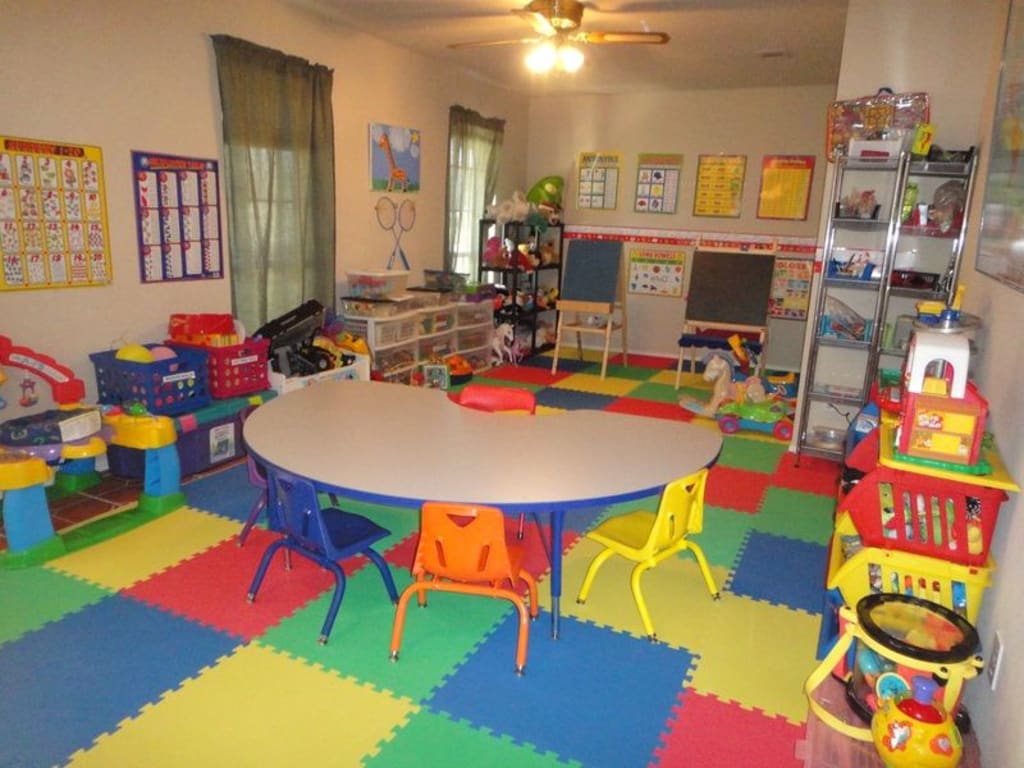
Preschool environments play a crucial role in shaping how young children learn, explore, and interact with the world. A well-organized classroom supports early development by encouraging curiosity, independence, and social growth. Drawing on general principles of early childhood education and the concept of a preschool as described in widely accepted educational frameworks, this article explores how thoughtful design can enhance learning without relying on overly promotional language.
Understanding What Preschool Spaces Need
Preschool settings cater to children at a stage where sensory exploration, play-based learning, and emotional security are central to their development. As a result, every design choice—from furniture selection to room layout—needs to prioritize safety, accessibility, and comfort. Rounded furniture edges, appropriately sized tables and chairs, and soft floor materials all contribute to a secure environment. Thoughtful arrangement of activity zones allows children to engage freely in different types of play while minimizing distractions or hazards. By emphasizing predictability and structure in the classroom environment, educators can foster a sense of stability and confidence, encouraging children to explore, learn, and interact with their peers in meaningful ways.
Balancing Structure and Flexibility
An effective preschool classroom design blends structured areas with adaptable spaces. Fixed zones, like reading nooks or art corners, give children a sense of routine. Meanwhile, open spaces make room for movement, collaboration, and imaginative play. Educators often adjust these setups through the year based on group dynamics or emerging curriculum themes.
Creating Zones With Purpose
When designing a preschool classroom, zones must serve both educational and developmental needs:
- Reading and Quiet Areas: Soft seating, low shelves, and natural light support early literacy and calm reflection.
- Art and Creativity Stations: Easy-to-clean surfaces and accessible materials encourage creative expression.
- Pretend Play Corners: Role-play strengthens social, emotional, and cognitive skills.
- Science and Exploration Tables: Magnifying glasses, natural objects, and sensory materials nurture curiosity.
- Movement Areas: Open sections allow children to build gross motor skills through safe physical activity.
Each zone should communicate its purpose visually, helping children navigate the space independently.
Furniture That Supports Young Learners
The choice of kindergarten furniture—which also applies to preschool rooms—affects comfort, posture, and engagement. Child-sized seating, rounded edges, durable materials, and lightweight pieces help create a safe and welcoming environment. Storage units at child height promote responsibility and independence.
Aesthetics That Encourage Calm and Focus
Color palettes in preschools work best when they are neutral or gently vibrant rather than overly bright or intense. Soft, calming tones combined with natural textures—like wood, fabrics, and plants—help create a warm and inviting atmosphere that encourages focus and exploration. Gentle, well-distributed lighting further supports a comfortable learning environment, reducing eye strain and maintaining a sense of calm. Incorporating children’s artwork at eye level not only personalizes the space but also fosters a sense of pride and belonging, making the classroom feel like a collaborative and welcoming community. Thoughtful attention to color and display can significantly enhance both learning and emotional well-being.
Supporting Educators Through Smart Layouts
While classroom design revolves around the child’s experience, it must also support teachers in their daily routines. Clear sightlines help educators supervise multiple learning areas without obstruction, ensuring safety while allowing children the freedom to explore. Adequate and well-placed storage keeps materials accessible yet orderly, reducing downtime and preventing clutter from interrupting lessons. When the physical environment flows smoothly, teachers can shift between activities with ease, maintain structure throughout the day, and focus more fully on guiding children’s learning rather than managing space. Thoughtful layouts ultimately create a balanced environment where both children and teachers can thrive.
Bringing It All Together
Thoughtful preschool design strengthens early learning by blending safety, creativity, and accessibility. Whether integrating broader principles of kindergarten design or incorporating ideas from kindergarten interior design, the focus remains the same: creating nurturing environments that support developmental needs. With mindful planning, classrooms can become spaces where children feel confident, curious, and ready to learn.
About the Creator
James Mburu
I am a professional Content Writer.
Keep reading
More stories from James Mburu and writers in Education and other communities.
Designing Meaningful Kindergarten Classrooms: A Thoughtful Approach
Designing a kindergarten classroom is more than choosing bright colors or arranging small desks. It involves understanding child development, creating meaningful learning environments, and ensuring that the space supports curiosity, independence, and emotional wellbeing. Modern approaches to kindergarten classroom design consider how young learners move, explore, and interact with one another.
By James Mburuabout a month ago in Education
Strategic Legal Excellence: How Top Lawyers Master and Win the Most Complex Cases
Winning a complex case is rarely about luck. It’s the result of intention, skill, preparation, and a strategic mindset that guides every decision from the earliest investigation to the final courtroom argument. Top lawyers do not simply react to what unfolds—they anticipate, plan, and execute with precision. Their approach to legal mastery provides a blueprint that any attorney can use to navigate complicated cases successfully. This article explores the strategic methods elite attorneys use to turn even the toughest legal challenges into decisive victories.
By Mark Obenstine3 days ago in Education



Comments
There are no comments for this story
Be the first to respond and start the conversation.