
Designing Meaningful Kindergarten Classrooms: A Thoughtful Approach
A simple guide to creating inspiring kindergarten spaces

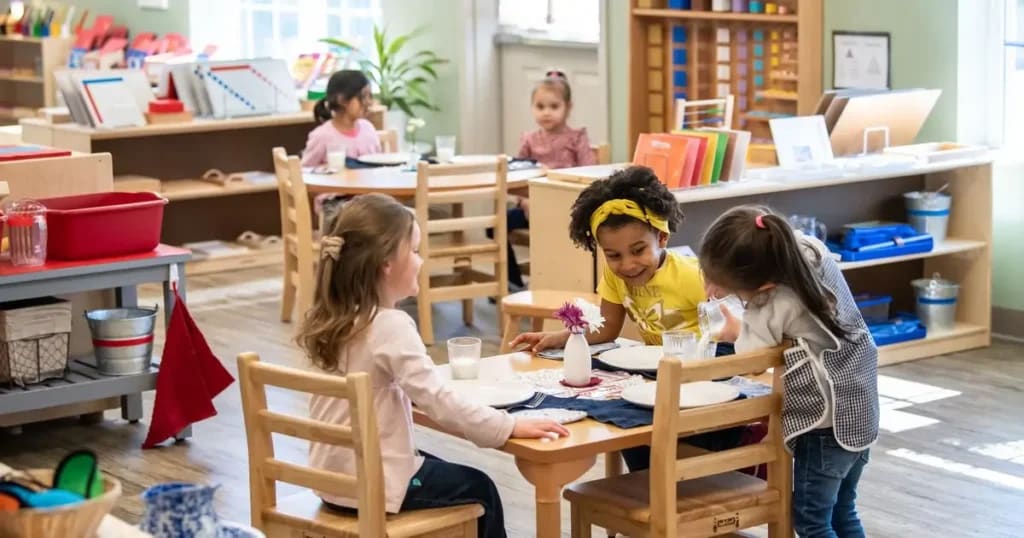
Designing a kindergarten classroom is more than choosing bright colors or arranging small desks. It involves understanding child development, creating meaningful learning environments, and ensuring that the space supports curiosity, independence, and emotional wellbeing. Modern approaches to kindergarten classroom design consider how young learners move, explore, and interact with one another.
Understanding the Purpose of Classroom Spaces
According to general insights from research and educational frameworks on classroom environments, a classroom serves as both a learning space and a social setting. For young children, this means the environment should feel welcoming, flexible, and safe.
Effective kindergarten design incorporates:
- Areas that encourage cooperative play
- Quiet corners for individual exploration
- Open floor space for movement
- Clearly defined learning zones
These elements help children understand how to navigate the room and give them the independence to choose activities that suit their interests.
Core Principles of Kindergarten Classroom Design
When exploring ideas such as kindergarten classroom design or how to design a kindergarten classroom, several principles consistently emerge. These principles guide educators and designers as they create environments that promote healthy learning habits.
1. Safety and Accessibility
Everything in a kindergarten interior design plan should be child-friendly. Shelves at reachable heights, rounded furniture edges, and organized pathways help children move confidently around the room.
2. Flexibility for Different Activities
Kindergarten classrooms must support a balance of quiet, loud, cooperative, and independent activities. Flexible seating, movable tables, and lightweight kindergarten furniture allow the teacher to reconfigure the space depending on the day’s goals.
3. Purposeful Learning Zones
Many teachers create learning centers dedicated to reading, art, building, sensory play, and early numeracy or literacy. These clearly defined zones support a variety of learning styles and help children transition smoothly between activities.
4. Natural Light and Calm Color Schemes
Bright artificial colors may seem appealing, but research shows that calmer tones and natural light improve focus and reduce overstimulation. A mix of soft colors, natural textures, and warm lighting encourages relaxation and concentration.
The Role of Furniture in Early Learning Spaces
Thoughtful use of kindergarten furniture can transform the learning experience. Durable, child-sized tables and chairs enable better posture and independence. Storage units placed at the child’s height give them access to materials without constant adult assistance.
Multi‑purpose furniture also allows teachers to adapt the classroom as needed. For example, stackable chairs or foldable tables provide flexibility for movement-based activities.
Encouraging Creativity and Imagination
Young children learn best through play, exploration, and imaginative activities. Classroom design should therefore inspire creativity. Features such as:
- Art easels and drawing stations
- Building blocks and construction areas
- Pretend‑play zones
- Accessible craft supplies
help children build confidence and self‑expression while sharpening fine‑motor and problem‑solving skills.
Designing a Kindergarten Classroom for Emotional Well‑Being
A well-designed space also supports emotional development. Cozy reading nooks, soft rugs, and calm corners allow children to take breaks when they feel overwhelmed. These spaces help them regulate emotions and return to group activities with renewed comfort.
Inclusive design also matters. Every child should feel represented—through diverse books, accessible materials, and classroom visuals that reflect different cultures and abilities.
The Importance of Simple Organization
Clear classroom organization reduces stress for both students and educators. Labels, picture cues, color‑coded bins, and well‑defined storage systems help children develop responsibility and independence. When materials are easy to find and return, transitions become smoother and the classroom stays orderly.
Considering the Outdoor Connection
Many kindergarten programs integrate outdoor learning into the broader environment. A classroom with access to natural spaces—gardens, play areas, or outdoor reading spots—supports physical health and sensory exploration. Nature‑focused activities also nurture curiosity and environmental awareness.
How Modern Approaches Continue to Evolve
As expectations for early childhood education grow, classroom environments evolve too. Educators increasingly value flexible learning spaces, child autonomy, and designs that reflect real‑world contexts. Today’s kindergarten design focuses on blending structure with creativity, ensuring that the classroom supports exploration rather than restricting it.
This approach aligns with broader understandings of classroom design across different educational levels, emphasizing that a well‑thought‑out environment plays a significant role in shaping learning outcomes.
Conclusion
Designing an effective kindergarten classroom requires intentional planning, child‑centered thinking, and a blend of creativity and practicality. Whether exploring kindergarten interior design or researching ways to design a kindergarten classroom, the goal remains the same: to create a space where young children feel safe, engaged, and excited to learn.
A thoughtfully arranged classroom encourages curiosity, independence, and emotional growth—laying the foundation for lifelong learning and positive school experiences.
About the Creator
James Mburu
I am a professional Content Writer.
Keep reading
More stories from James Mburu and writers in Education and other communities.
Designing Effective Preschool Classrooms
Preschool environments play a crucial role in shaping how young children learn, explore, and interact with the world. A well-organized classroom supports early development by encouraging curiosity, independence, and social growth. Drawing on general principles of early childhood education and the concept of a preschool as described in widely accepted educational frameworks, this article explores how thoughtful design can enhance learning without relying on overly promotional language.
By James Mburuabout a month ago in Education
What It Really Takes to Get a Wikipedia Page Approved in 2026
These days, Wikipedia isn't like the one some folks recall. Back then, an okay article often made it through with just small tweaks. Now things feel tighter, more intense. Every day brings thousands of fresh entries. Most vanish fast, blocked before they stick around. Getting turned down used to be rare. Lately, that's just how it goes.
By Hillshire Media5 days ago in Education
Fly Fishing or Spinning: Choosing the Best Fishing Technique for Your Next Adventure
When planning a fishing trip, one of the first questions many anglers face is whether to use fly fishing or spinning. Both methods are effective, enjoyable, and widely used, but they offer very different experiences. The right choice can shape how successful and enjoyable your trip feels. Understanding how each technique works will help you pick the option that fits your goals, location, and comfort level.
By Jett Harris of Arkansas5 days ago in Education


Comments
There are no comments for this story
Be the first to respond and start the conversation.