
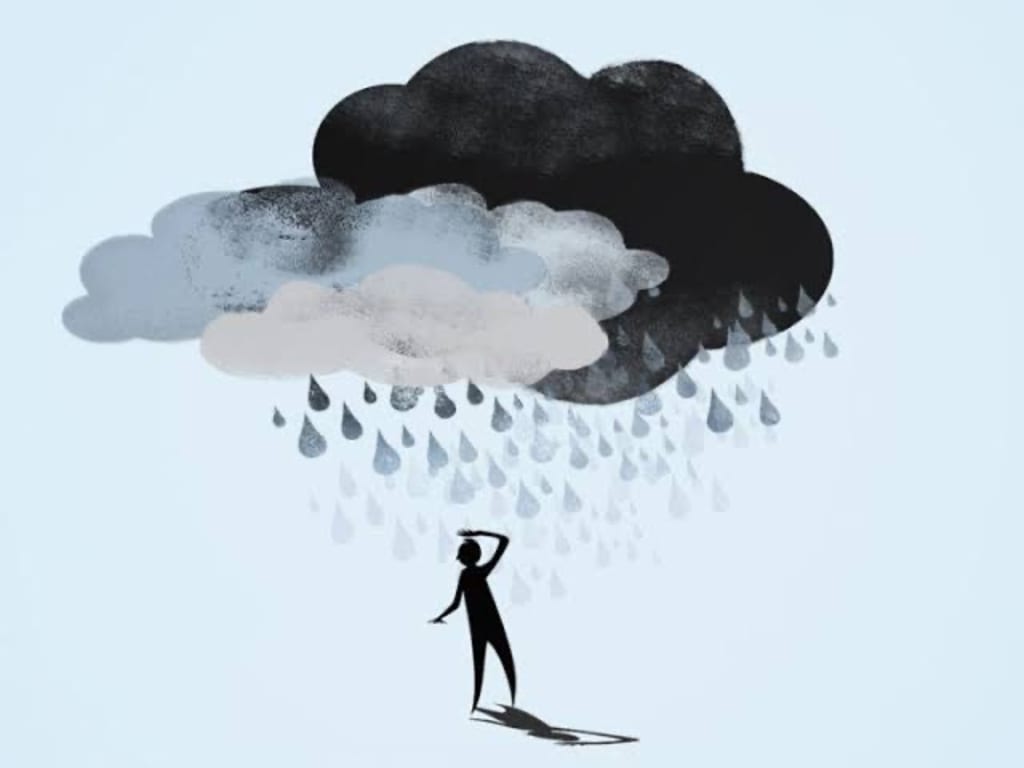
Depression is a mental health disorder characterized by persistent feelings of sadness, hopelessness, and loss of interest in activities that were once enjoyed. It can affect an individual's thoughts, feelings, and behavior, leading to a variety of symptoms such as fatigue, insomnia, appetite changes, difficulty concentrating, and feeling irritable. Depression can range from mild to severe and can have a significant impact on an individual's daily life and ability to function. It is important for those experiencing symptoms of depression to seek professional help, as it is a treatable condition.
The causes of depression are not fully understood, but they are believed to be a combination of genetic, biological, environmental, and psychological factors. Some common causes of depression include:1. Genetics: A family history of depression can increase the risk of developing depression.
2. Chemical imbalances: Depression may be caused by an imbalance of chemicals in the brain, such as serotonin and dopamine.
3. Chronic stress: Long-term stress can lead to changes in the brain that increase the risk of depression.
4. Trauma: Trauma, abuse, or neglect can increase the risk of depression.
5. Medical conditions: Certain medical conditions, such as chronic pain or cancer, can increase the risk of depression.
6. Substance abuse: Substance abuse can lead to depression, and depression can increase the risk of substance abuse.
7. Life changes: Major life changes, such as the death of a loved one, divorce, or job loss, can trigger depression.
It's important to note that depression is a complex condition, and each person's experience with depression is unique.
Overcoming depression can be a challenging process, but there are several strategies that may help. Here are some common approaches:1. Seek professional help: The first step in treating depression is often to seek professional help. A mental health professional can offer therapy, medication, or a combination of both.
2. Exercise: Regular exercise has been shown to improve mood and can be an effective way to manage symptoms of depression.
3. Practice stress-reduction techniques: Techniques such as meditation, yoga, and deep breathing can help reduce stress and may improve symptoms of depression.
4. Build social connections: Maintaining social connections with friends and family can help combat feelings of loneliness and isolation.
5. Set small goals: Setting small, achievable goals can help provide a sense of accomplishment and boost self-esteem.
6. Eat a healthy diet: Eating a balanced diet that includes plenty of fruits, vegetables, and whole grains can help improve overall health and may improve symptoms of depression.
7. Get enough sleep: Getting enough sleep can help improve overall mood and energy levels.
It's important to note that each person's experience with depression is unique, and what works for one person may not work for another. Seeking professional help is often the best way to develop a personalized treatment plan for managing depression.
Depression is a complex condition that can affect individuals in different ways. Some additional information about depression includes:1. Types of depression: There are several types of depression, including major depressive disorder, persistent depressive disorder, and seasonal affective disorder.
2. Symptoms of depression: Symptoms of depression can include persistent feelings of sadness, fatigue, loss of interest in activities, changes in appetite and sleep patterns, difficulty concentrating, and feelings of hopelessness.
3. Risk factors for depression: In addition to the causes listed previously, other risk factors for depression can include a history of substance abuse, chronic illness, a history of trauma or abuse, and certain medications.
4. Stigma surrounding depression: Unfortunately, there is still significant stigma surrounding depression and mental illness in general. This can make it difficult for people to seek help or feel comfortable discussing their experiences with others.
5. Treatment options: Treatment for depression often involves a combination of medication and therapy. There are also alternative treatments available, such as mindfulness-based approaches, cognitive-behavioral therapy, and group therapy.
6. Prognosis: With proper treatment, many people are able to effectively manage their symptoms of depression and lead fulfilling lives. However, it's important to seek help as early as possible to increase the chances of a positive outcome.
About the Creator
Keep reading
More stories from writers in Education and other communities.
The Balanced Parent: Embracing Parenthood Without Losing Yourself
In today’s fast-paced society, the demands on parents have never been higher. From managing work deadlines to preparing meals and helping with homework, the modern parent juggles countless responsibilities daily. Amid all this, it’s easy to feel overwhelmed. Yet, being a hands-on parent is one of life’s most rewarding roles when approached with intention and heart.
By Alfonso Kennard7 days ago in Education
7 Latency Sources Inside Cloud Computing Request Paths
You click a button and wait. Then wait some more. That frustrating pause comes from latency hiding inside your cloud computing request path. Every millisecond counts when users expect instant responses from applications. Cloud infrastructure promises speed and reliability, but numerous bottlenecks slow down data travel between your device and distant servers.
By Judy Watson7 days ago in Education
Self Help: Grifters' Gospel
On Self-Help, Snake Oil, and the Illusion of Change Psychology professionals and students can be imagined on two opposite sides of a line called self-help books: likely a larger group opposes pop-science and step-by-step manuals filled with talk of success, journaling, and not giving a f**k; others love them, but they aren’t many.
By Avocado Nunzella BSc (Psych) -- M.A.P 2 days ago in BookClub




Comments
There are no comments for this story
Be the first to respond and start the conversation.