
Data Science vs Data Analytics: Key Differences, Use Cases, and Career Paths
Understand What Sets Data Science Apart from Data Analytics and Which Path Suits You Best

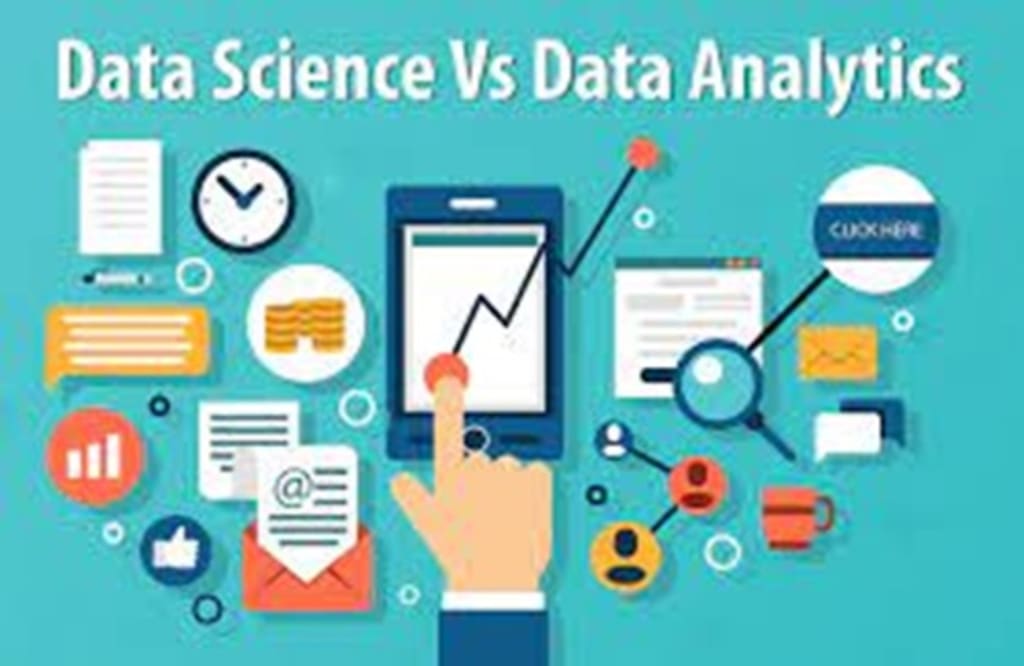
In today’s data-driven world, two terms often confuse beginners and professionals alike — data science and data analytics. While they sound similar, they serve different purposes. Understanding the difference is important whether you're planning a career, hiring talent, or exploring tech trends.
In this article, we'll explain data science vs data analytics in the simplest way possible. We’ll cover what each means, how they’re used, and what kind of jobs they lead to. By the end, you’ll know which one fits your goals best.
What is Data Science?
Data science is about predicting the future using data. It’s a field that combines math, computer science, and domain knowledge to create systems that can learn and make decisions.
Data scientists don’t just analyze what has happened — they build models to guess what might happen next. For example, a data scientist can build a system that predicts whether a customer is likely to cancel their subscription.
To do this, they often use programming tools like Python or R, and work with large amounts of data. They also use techniques from machine learning and artificial intelligence.
What is Data Analytics?
Data analytics focuses on understanding the past and present. It helps companies answer questions like:
- Why did our sales drop last month?
- Which product is most popular in a specific region?
- What’s the average time customers spend on our app?
Analysts use tools like Excel, SQL, or dashboards like Power BI and Tableau to explore data and present it in a clear way. Their job is to help people make smarter business decisions by explaining what the data is saying.
So while data science looks to the future, data analytics helps explain what’s already happened.
Key Differences: Data Science vs Data Analytics
Here are a few easy ways to remember the difference between the two:
- Purpose: Data analytics explains. Data science predicts.
- Timeframe: Analytics looks at the past. Science looks to the future.
- Tools: Analysts use Excel and dashboards. Scientists use code and models.
- Complexity: Data science is usually more technical and advanced.
Skills Needed: Analysts need business skills and basic coding. Scientists need deep coding and math skills.
In short, data science vs data analytics is a question of prediction vs explanation.
Examples in Real Life
Let’s look at some simple examples:
In a hospital:
- A data analyst might look at how many patients were admitted each month.
- A data scientist might build a system that predicts which patients are at risk of readmission.
In an online store:
- A data analyst checks which products had the highest sales last week.
- A data scientist builds a model to recommend products to customers based on their browsing history.
In a bank:
- A data analyst reports on which loan types are most popular.
- A data scientist develops fraud detection algorithms.
As you can see, both roles are important, but they do different things.
Skills You Need
If you’re wondering which career is right for you, it helps to know what skills are required.
For Data Analytics:
- Strong understanding of numbers
- Comfort using tools like Excel or SQL
- Ability to build reports and dashboards
- Clear communication skills
- Some basic coding knowledge (not always required)
For Data Science:
- Advanced knowledge of programming (Python, R, etc.)
- Understanding of statistics and math
- Experience with machine learning
- Ability to work with large datasets
- Problem-solving and critical thinking
If you love digging into business reports, analytics might be your thing. If you enjoy coding and solving complex problems, you might be drawn to data science.
Job Roles and Salaries
Both fields offer great career opportunities, but the roles and responsibilities differ.
Jobs in Data Analytics:
- Data Analyst
- Business Analyst
- Marketing Analyst
- Operations Analyst
These roles often support business decisions and work closely with different departments like marketing, sales, or HR.
Jobs in Data Science:
- Data Scientist
- Machine Learning Engineer
- AI Engineer
- Data Engineer
These jobs usually involve creating algorithms, building predictive models, or automating decisions.
Salaries can vary based on skills, location, and experience. Generally, data scientists earn more than analysts due to the technical complexity of their work.
Education Paths
You don’t always need a degree to enter these fields, but it helps.
For Data Analytics:
- Degrees in business, statistics, economics, or IT
- Certifications like Google Data Analytics or Microsoft Power BI
- Online courses or bootcamps
For Data Science:
- Degrees in computer science, math, or engineering
- Certifications in Python, machine learning, or data science
- Advanced degrees (like a master’s) can be helpful
Many professionals start as data analysts and transition into data science with time and training.
Why Companies Need Both
Modern companies use both data analytics and data science. They work best when combined.
For example, a travel company might use:
- Data analytics to understand which packages sold best last year
- Data science to build a model that recommends travel packages to new users
In this way, businesses make better decisions today and plan for the future at the same time.
Which Career is Right for You?
If you’re still deciding between data science vs data analytics, ask yourself a few questions:
- Do you enjoy finding answers in spreadsheets and helping teams make better choices?
- → Go for data analytics.
- Do you love coding, statistics, and creating smart systems that predict or automate tasks?
→ Try data science.
Both fields are rewarding, growing, and offer the chance to make a big impact with data.
Conclusion
To sum it up, data science vs data analytics is about future vs past, prediction vs explanation, and coding vs reporting. They are both powerful tools in the digital age. Understanding the differences can help you choose the right career or build a stronger team.
No matter which path you choose, working with data means being at the heart of how businesses grow, adapt, and succeed.
About the Creator
Tech Thrilled
TechThrilled is your go-to source for deeply explained, easy-to-understand articles on cutting-edge technology. From AI tools and blockchain to cybersecurity and Web3, we break down complex topics into clear insights, complete
Keep reading
More stories from Tech Thrilled and writers in Education and other communities.
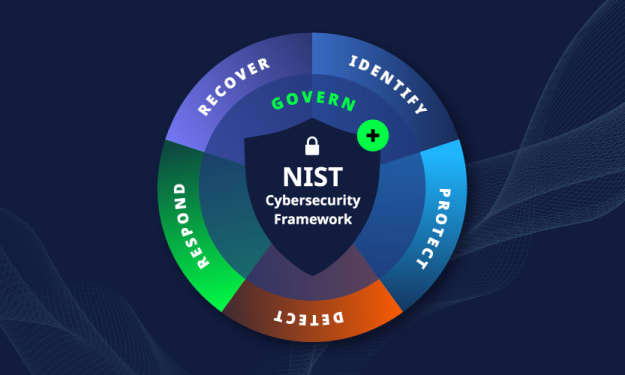
NIST Cybersecurity Framework: The Ultimate Guide for Protecting Your Digital Future
In today’s digital world, cyberattacks are not a question of "if," but "when." From ransomware and phishing to insider threats and software vulnerabilities, organizations face a growing list of risks.
By Tech Thrilled7 months ago in Education
5 Practical Ways an LCD Monitor Improves Daily Productivity at Work
Modern work depends on clarity, comfort, and steady focus throughout the day. Employees move between emails, documents, meetings, and data without pause. In this environment, the screen becomes more than a tool. It becomes a daily partner in how work flows and how decisions take shape.
By Olivia Barn4 days ago in Education


Comments
There are no comments for this story
Be the first to respond and start the conversation.