
Creating a Safe and Stimulating Nursery Environment: Tips for Educators
Safety Tips for educators to create a safe nursery environment


A nursery environment plays a crucial role in shaping young children’s early development. It is not just a space where children spend time, but also a dynamic learning environment where their cognitive, social, emotional, and physical growth takes place. For educators, creating a safe and stimulating nursery environment is key to fostering a sense of security, curiosity, and a love of learning in children.
In this article, we will explore the essential components of a safe and stimulating nursery environment and offer practical tips for educators to enhance the experience for young learners. From physical safety measures to creating spaces that spark creativity, these tips can be adapted to suit any nursery setting, whether it's a Montessori nursery in Surrey or a more traditional care setting.
The Importance of a Safe Nursery Environment
Safety is the first priority in any educational setting, especially for young children who are still learning to navigate their surroundings. A safe nursery environment ensures that children can explore freely, knowing that their well-being is protected. This involves both physical safety and emotional security.
1. Child-Proofing the Space
Start by making sure the nursery is free of hazards. This includes securing furniture to walls to prevent tipping, using soft mats or rugs to cushion falls, and ensuring that sharp objects, chemicals, and choking hazards are out of reach. Edges of tables and sharp corners should be padded, and windows should be childproofed with safety locks.
2. Supervision and Ratio of Caregivers to Children
Maintaining a low caregiver-to-child ratio ensures that children receive the attention they need and that educators can effectively supervise the room. A good supervision system is essential to maintain safety, especially during activities that involve movement or sensory play.
3. Emergency Procedures and Safety Plans
An emergency preparedness plan should be in place. This includes clear instructions on how to evacuate the building in case of a fire or natural disaster and knowledge of first-aid procedures. Educators should regularly practice emergency drills with children so they understand what to do in case of an emergency.
Creating a Stimulating Learning Environment
A stimulating nursery environment encourages curiosity, creativity, and exploration. It should be designed to engage children’s senses, foster their natural interests, and encourage problem-solving and critical thinking. Here are some key elements to consider:
1. Interactive and Hands-On Learning Stations
The best way to stimulate young minds is by providing opportunities for hands-on learning. Set up learning stations around the nursery that focus on different aspects of development, such as:
Sensory play areas with sand, water, and tactile materials like playdough or fabric.
Creative zones with art supplies, blocks, and building materials.
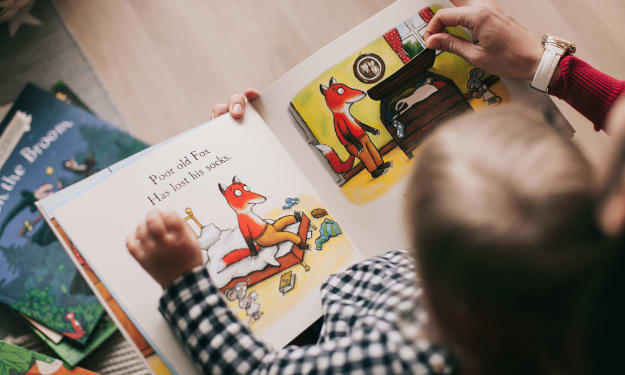
Reading corners with a variety of books, including picture books, board books, and tactile books.
Music and movement zones where children can explore rhythm and sound with instruments or through dance.
These stations should be organized so that children can explore independently but are also guided by the educator when needed.
2. Use of Natural Light and Colors
A stimulating environment includes natural elements that appeal to children's senses. Use natural light as much as possible, and complement this with warm, inviting colors. Soft yellows, greens, and blues create a calm atmosphere, while brighter accent colors like red or orange can encourage active play and creativity. The goal is to create an environment that feels safe, welcoming, and vibrant.
3. Interactive Wall Displays and Visual Stimuli
Incorporating interactive elements such as chalkboards, magnetic boards, or pegboards can encourage children to engage with their environment. Visual stimuli such as educational posters, photographs of diverse people, and images of nature can also stimulate curiosity and broaden children's understanding of the world.
4. Incorporating Nature
Access to natural elements like plants, natural wood, or outdoor play areas can significantly enhance a nursery environment. Outdoor play, in particular, offers children opportunities to explore the environment and develop gross motor skills while being surrounded by fresh air and natural beauty.
Emotional and Social Safety in the Nursery
In addition to physical safety, creating an emotionally safe space for children is just as important. This involves fostering a nurturing and inclusive atmosphere where children feel valued, heard, and respected.
1. Fostering Positive Relationships
The relationships between children and caregivers form the foundation of emotional safety. Educators should build strong, trusting relationships with the children in their care, providing consistent support and encouragement. Positive reinforcement and gentle guidance can help children feel secure in their emotional development.
2. Encouraging Social Interaction
A stimulating environment should include opportunities for children to interact with their peers. Social play is essential for developing communication skills, empathy, and conflict resolution abilities. Educators can facilitate group activities, role-playing, and cooperative session that encourage sharing and teamwork.
3. Establishing Routines and Boundaries
Children thrive in environments where they feel secure and know what to expect. A consistent daily routine helps children understand when it’s time to play, rest, eat, and learn. Clear expectations and boundaries should be set to help children develop self-regulation and respect for others.
A Montessori Approach to a Stimulating Nursery Environment
The Montessori method, which emphasizes self-directed learning and a carefully prepared environment, is one of the most well-known approaches to early childhood education. In a Montessori nursery in Surrey, for instance, the environment is designed to promote independence and exploration. Children are encouraged to choose their activities from a range of materials that support their individual learning styles.
The Montessori environment is highly structured to foster concentration and mastery, while also being flexible enough to cater to the interests and developmental stages of each child. Materials used in Montessori settings are often hands-on and self-correcting, which allows children to learn through trial and error in a safe, non-judgmental space.
In schools like Walton Montessori, the design of the space is intentional, with carefully chosen furniture and materials that support the child’s ability to work independently. The environment is arranged to promote movement, freedom of choice, and access to various learning tools, all of which encourage natural exploration and the development of critical life skills.
Conclusion
Creating a safe and stimulating nursery environment is essential for fostering young children’s development. Educators play a pivotal role in designing spaces that promote both physical and emotional safety while also stimulating curiosity, creativity, and social engagement. By incorporating elements such as hands-on learning stations, natural materials, and positive emotional reinforcement, educators can create an environment where children feel supported, safe, and excited to learn.
Whether in a Montessori nursery in Surrey or another educational setting, the principles of a safe, stimulating, and nurturing environment remain the same. With thoughtful planning and a focus on the whole child, educators can provide a space that fosters lifelong learning and development.
About the Creator
William Henry
At Best Independent Schools UK, we are here to make your journey smoother by providing detailed information about some of the best nurseries and preparatory schools in England
Keep reading
More stories from William Henry and writers in Education and other communities.
Preparing Your Child for School: The Role of Early Childhood Education in Academic Success
As a parent, one of the most significant milestones you’ll experience is preparing your child for school. The transition from home to the classroom can be both exciting and challenging, but with the right foundation, your child will be well-equipped to succeed academically and socially. Early childhood education plays a pivotal role in preparing children for school, fostering essential skills and laying the groundwork for a lifetime of learning. In this article, we’ll explore the importance of early childhood education and how it contributes to your child’s academic success.
By William Henryabout a year ago in Education
How Small Organizations Can Use Data Analytics to Boost Their Business
Big or small, businesses of all sizes today rely on insightful information to make decisions. Especially in this data-driven economy, those who fail to adopt a data-driven culture may risk falling behind their competitors who embrace and are updated with data analytics trends. Though large corporations already have sufficient analytics systems, they are no longer limited to huge enterprises. Data analytics for small businesses is gaining quite traction, powering them with unprecedented insights to take their business forward.
By Pradip Mohapatra2 days ago in Education
The “Slave Bible”: The Controversial Holy Book Designed to Prevent Rebellion
In the early nineteenth century, a heavily edited version of the Bible was printed with a singular and deeply troubling purpose: to control enslaved Africans and discourage rebellion. Today, this rare publication—commonly known as the “Slave Bible”—is one of the most controversial religious texts in history. Only four copies are known to exist in the world.
By Irshad Abbasi 6 days ago in Education



Comments (1)
Great tips! I’ll remember this when I’m educating! Great work!