
Cracking the Code of Global Education Success: Lessons from "The Smartest Kids in the World"
Investigating American Students' Transformative Experiences Abroad and the Blueprint for Educational Excellence
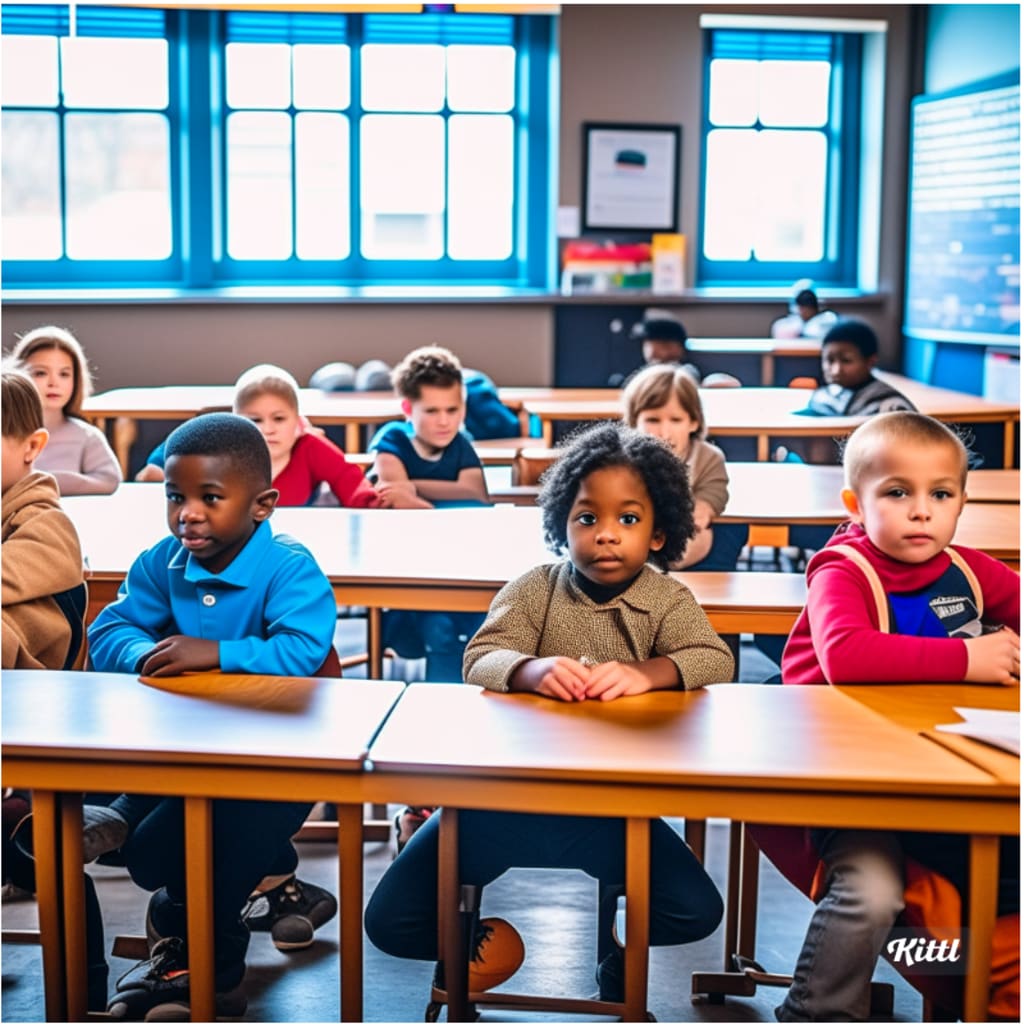
The fascinating tale of Amanda Ripley's book, "The Smartest Kids in the World: And How They Got That Way," reveals the secrets of the world's top-performing educational systems. She provides a nuanced examination of Finland, South Korea, and Poland through the perspectives of American exchange students. Ripley emphasizes the crucial importance of outstanding instructors while promoting demanding training programs. Her observations cast doubt on accepted ideas of success and emphasize the importance of an all-encompassing approach to education. The book is a persuasive plea for us to reconsider our educational priorities and make investments in the next generation of education.
Three American exchange students named Kim, Eric, and Tom are introduced at the start of the novel as they get fully immersed in these different educational systems. As a result of their experiences, Ripley is able to draw a startling comparison between the level of rigor and expectations in these schools and those in the United States.
Finland, which is frequently praised for having a superior educational system, comes into focus. Ripley digs into the Finnish method, highlighting important elements including teacher preparation, autonomy, and an emphasis on developing critical thinking abilities rather than mechanical memorization. She makes the case that Finland's success is due to its ability to draw in and keep great educators by giving them the freedom and trust to design the curriculum and teach how they see fit.
A dramatic contrast is offered by South Korea, which is well-known for its high academic pressure. Ripley depicts a society that places a high value on education, with pupils devoting long hours to intense study and examination. Although this method produces remarkable academic outcomes, it also raises questions about the wellbeing and creativity of the students.
Poland, which historically had a poor education system, is now a startling success story. Ripley describes the broad reforms and mentality changes that propelled Poland's educational system to prominence on a global scale. This transition was greatly aided by the nation's adoption of accountability, strict teacher training programs, and emphasis on innovation.
Ripley expertly combines data, anecdotes, and interviews throughout the book to give readers a thorough grasp of what makes these educational systems successful. She questions long-held beliefs about education and argues for a more complex definition of success that goes beyond grades on standardized tests.
The societal and cultural elements that support various educational systems are also covered in Ripley's analysis. She emphasizes the value of education and the need to support teachers, arguing that a country's dedication to education is a key factor in determining its success on the international stage.
The function of instructors is one of the book's main themes. According to Ripley, the foundation of any effective educational system is finding, nurturing, and supporting excellent teachers. She stresses the necessity of rigorous teacher preparation programs that give educators the abilities and information required to succeed in the classroom.
In the end, "The Smartest Kids in the World" urges readers to reevaluate their ideas about education and what makes a successful system. It calls for a reevaluation of educational priorities and expenditures, with an emphasis on encouraging critical thinking, creativity, and a sincere love of learning.
Finally, "The Smartest Kids in the World: And How They Got That Way" by Amanda Ripley offers a provocative analysis of international educational systems. Ripley clarifies the reasons that contribute to the success of Finland, South Korea, and Poland through lively storytelling and thorough research. The book is a powerful call to action for reinventing education and funding the professional development of outstanding educators.
About the Creator
Keep reading
More stories from Mamou Diallo and writers in Education and other communities.
Summary of "Pedagogy of the Oppressed" by Paulo Freire
Paulo Freire's "Pedagogy of the Oppressed" is a key work in the subject of education, providing a revolutionary viewpoint on instructing and learning. The book, which was first published in 1968, outlines Freire's critical pedagogy and emphasizes the need to empower students and foster critical consciousness in order to end injustice. We will go over Freire's major themes, ideas, and arguments in this important work in this 2000 word overview.
By Mamou Diallo2 years ago in Education
⭐ The Brave Life of James Forten —
James Forten was born in Philadelphia in 1766. He grew up near busy ships, tall sails, and people working hard every day. Even as a young boy, James was smart, kind, and always eager to help his family. He dreamed of doing something important with his life.
By TREYTON SCOTT4 days ago in Education
Foreign Exchange Systems Supporting International Trade and Finance
The foreign exchange market, commonly known as the Forex or FX market, is the backbone of the global financial system. Every day, trillions of dollars are exchanged as individuals, corporations, financial institutions, and governments trade currencies to support international trade, investment, travel, and economic stability. Unlike stock markets, the foreign exchange market operates continuously across time zones, making it the most liquid and dynamic financial market in the world.
By Bobby Yadav6 days ago in Education




Comments (1)
Great lesson! Fascinating!