
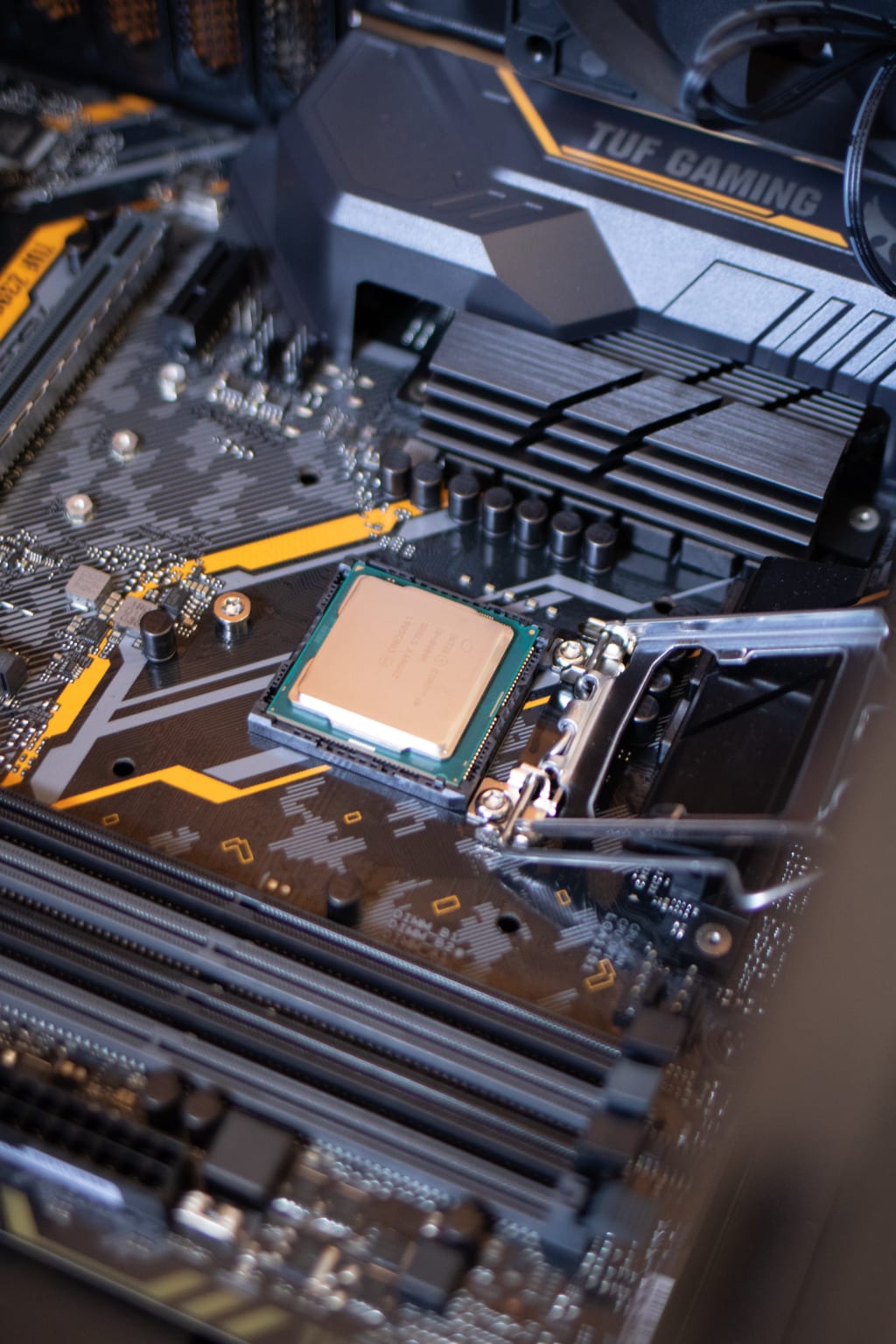
Computer processors are the backbone of modern computing, serving as the central processing unit (CPU) that powers everything from simple tasks like web browsing to complex ones like video editing and gaming. The CPU is responsible for executing instructions, managing data, and performing arithmetic operations. In recent years, advances in processor technology have allowed for improved performance and efficiency, making computers faster and more capable than ever before.
When choosing a computer processor, it's important to consider several factors such as the number of cores, clock speed, and thread count. The number of cores determines how many tasks the processor can handle simultaneously, with more cores typically equating to better performance and improved multitasking capabilities. Clock speed refers to the speed at which the processor operates, measured in gigahertz (GHz). The higher the clock speed, the faster the processor will perform. The thread count refers to the number of processes the processor can handle at once.
Two of the biggest names in the processor market are Intel and AMD. Intel has a long history of producing high-performance and budget-friendly processors, including the Core i9, Core i7, and Core i5 lines. On the other hand, AMD has been making great strides in recent years with its Ryzen processors, offering high performance and efficiency for demanding tasks like gaming and video editing.
It's also important to consider compatibility when choosing a processor. Different processors use different socket types, and you'll need to ensure that the socket type of the processor you choose is compatible with the socket type on your motherboard. In addition, you should also consider the thermal design power (TDP) of the processor, which determines the amount of heat it generates and the cooling system required to keep it running smoothly.
Another important aspect to consider is the cache size, which is a small amount of high-speed memory built into the processor. Larger cache sizes can help improve performance and reduce the frequency at which the processor needs to access the slower main memory.
In conclusion, choosing the right computer processor is an essential step in ensuring the best performance and efficiency for your specific needs. Whether you're looking for a budget-friendly option for basic tasks or a high-performance processor for demanding tasks, there is a range of options available to meet your needs. It's important to consider factors such as the number of cores, clock speed, thread count, compatibility, TDP, and cache size when making your decision.
Here are the best processor examples:
The best computer processors are those that offer high performance and efficiency. Some of the top processors include:
Intel Core i9: This is a high-end processor with multiple cores and threads, offering maximum performance for demanding tasks like gaming and video editing. Click Here for product link
AMD Ryzen 9: A powerful processor with excellent performance and efficiency, offering high core and thread counts. Click Here for product link
Intel Core i7: A mid-range processor offering good performance and efficiency, ideal for tasks like general office work, web browsing and casual gaming. Click Here for product link
AMD Ryzen 7: Another powerful processor with high core and thread counts, offering good performance and efficiency for demanding tasks. Click Here for product link
Intel Core i5: A budget-friendly processor with good performance and efficiency for basic tasks such as web browsing, office work and casual gaming. Click Here for product link
For computer-intensive jobs: Intel Core i9, AMD Ryzen 9. For general use: Intel Core i7, AMD Ryzen 7. For budget: Intel Core i5.
It is important to note that processor performance and efficiency can also be impacted by other components such as the graphics card, memory and storage. Therefore, it's important to consider all components when choosing the best processor for your specific needs.
About the Creator
Keep reading
More stories from writers in Education and other communities.
Managing Anxiety During Exams: A Student’s Guide
Exams are one of the most common sources of stress for students at every level. Even the most prepared individuals often feel nervous before or during a test. Exam anxiety is natural — it’s the body’s way of preparing for a challenge — but excessive stress can interfere with focus, memory recall, and overall performance. Understanding the causes of anxiety and learning effective coping strategies can make a significant difference. This guide provides practical, evidence-based techniques to manage stress before, during, and after exams.
By Games Mode On7 days ago in Education
Portable Thickness Gauge Explained: Accurate Measurements Anywhere, Anytime
In modern industries, precision is not a luxury—it is a necessity. From ensuring product quality to maintaining structural safety, accurate thickness measurement plays a vital role. This is where portable thickness gauges come into focus. As the demand for on-site inspections grows, Portable Thickness Gauge Explained: Accurate Measurements Anywhere, Anytime becomes a topic every engineer, inspector, and technician should understand.
By Abdul Alim3 days ago in Education
Thoughts on Vocal and the way the world is
"Death cannot stop true love, only delay it." – Wesley in The Princess Bride. I decided to come back to Vocal on a very cold and dark night at the end of December. I had been, and still am, convalescing from a horrible staph infection that had gone misdiagnosed for months. This, paired with the increasing challenges of being healthy, making the best choices for my co-parented child, being a wife, and being a director at a new job, was a lot to manage.
By Jazzy 7 days ago in Confessions



Comments
There are no comments for this story
Be the first to respond and start the conversation.