
Cloud Bursts: Nature’s Sudden Fury
Exploring the Science, Impact, and Mitigation of Sudden Deluges

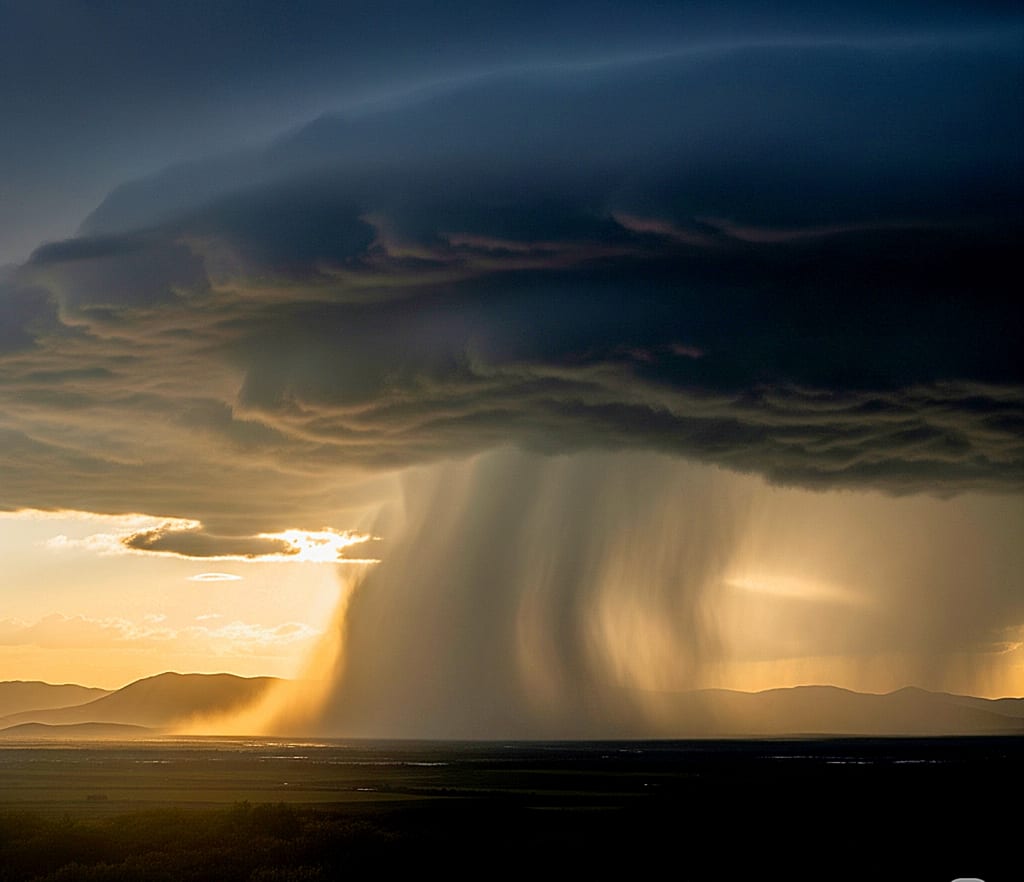
Imagine a peaceful mountain village on a cloudy afternoon. The air feels heavy, the sky darkens, and before anyone can prepare, the heavens open up. Within minutes, rain is falling with such force that streams overflow, roads vanish under water, and slopes crumble into landslides. This dramatic event is called a cloud burst a sudden and extremely heavy downpour that can transform calm landscapes into scenes of chaos in no time.

Cloud bursts are among the most powerful displays of nature. While breathtaking to witness, they are also dangerous, capable of wiping out entire communities. To understand how to deal with them, we first need to know why they happen, what damage they cause, and how we can prepare for them.
The Science Behind Cloud Bursts
A cloud burst is basically an intense rainfall over a very small area in a short span of time sometimes just an hour. In that period, several inches of rain can fall, much more than in a normal storm. The science behind it begins with warm, moist air rising rapidly into the sky. This often happens in hilly or mountainous regions, where air is forced upward by slopes a process known as orographic lift.

As the air rises, it cools and water vapor condenses into large thunderclouds called cumulonimbus clouds. These clouds can store massive amounts of moisture. But when conditions align like sudden temperature changes or strong convection the clouds release all that water in a concentrated burst. The result: a violent rainstorm, often covering an area less than 20 square miles.
Rainfall during cloud bursts can exceed 100 millimeters per hour, far beyond what ordinary storms bring. This is why they are so destructive. Such events are common in regions like the Himalayas, the Western Ghats in India, or the Alps, where steep terrain intensifies the weather patterns.
One of the challenges is that cloud bursts are difficult to predict. Their small scale and sudden onset make it hard even for advanced forecasting models to give accurate warnings.
The Impacts: When Rain Turns Deadly
The speed and intensity of cloud bursts make them dangerous. The sudden flood of water overwhelms rivers, drains, and even sturdy man-made systems. Within minutes, flash floods sweep away houses, cars, bridges, and farmland. Soil is eroded, crops are destroyed, and whole landscapes can change in a matter of hours.
In cities, cloud bursts bring a different set of problems. Roads get submerged, traffic comes to a halt, electricity fails, and water supplies become contaminated. In villages and mountain towns, the risk of landslides adds to the destruction.

The human cost is tragic. Rising water traps people in homes or low-lying areas, while landslides bury entire communities. Economic losses are also heavy fields are ruined, livestock is lost, and repairing infrastructure can take years.
One of the worst examples was the 2013 cloud burst in Uttarakhand, India, which triggered massive floods. Thousands of lives were lost, and entire villages were swept away. Such disasters show just how vulnerable mountain communities are, especially those located in narrow valleys and steep terrains.
Mitigation and Preparedness
While we cannot stop cloud bursts, we can reduce their damage with the right measures. Technology plays a role: Doppler radars, satellites, and real-time weather monitoring can sometimes provide early warnings, though not always with high accuracy. Governments in prone regions are investing in these systems to give people precious minutes to act.

But technology alone isn’t enough. Land-use planning is critical. Avoiding construction in flood-prone areas, enforcing stricter building codes, and creating flood-resistant infrastructure can make a huge difference. On mountain slopes, reforestation and terracing help keep the soil in place, lowering the risk of landslides. Communities can also build retention ponds, embankments, or diversion channels to manage excess water.

Equally important is public awareness. People need to know evacuation routes, safe zones, and emergency steps. In Kerala, India, where cloud bursts often strike during monsoons, local drills and trained community response teams have saved lives. Prepared communities stand a far better chance of surviving nature’s fury.
Looking Ahead
With climate change altering weather patterns, scientists believe cloud bursts may become even more frequent or intense in some regions. Warmer air holds more moisture, which can lead to heavier rains when storms form. While researchers are still studying the full picture, one thing is clear: communities must prepare. Stronger infrastructure, better forecasting, and local readiness are the keys to reducing risks. Cloud bursts remind us of nature’s sheer power, but also of our ability to adapt.
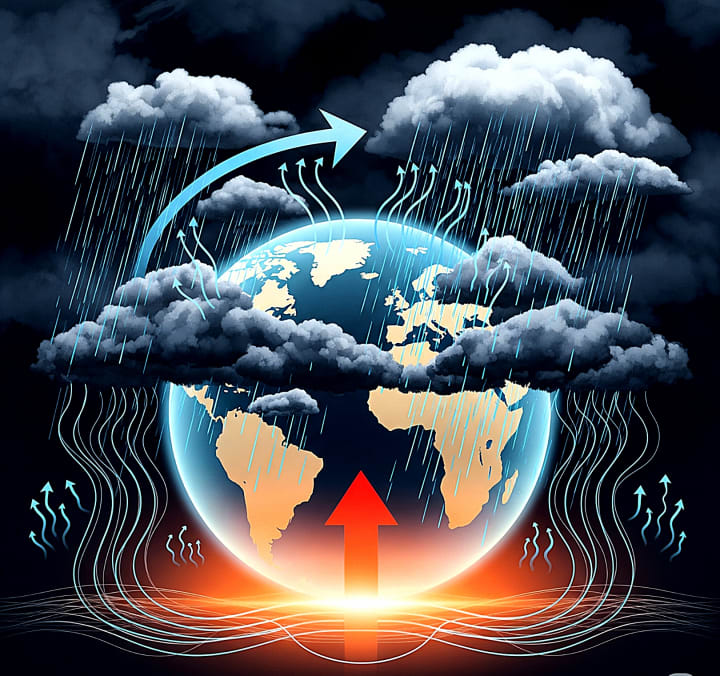
Cloud bursts are sudden, destructive, and awe-inspiring. They reshape landscapes, disrupt lives, and test human resilience. While we cannot prevent them, understanding their science and preparing communities can turn them from uncontrollable disasters into challenges we are ready to face. Nature’s power will always be beyond our control, but with knowledge and preparation, we can learn not just to survive, but to endure.
About the Creator
Muzamil khan
🔬✨ I simplify science & tech, turning complex ideas into engaging reads. 📚 Sometimes, I weave short stories that spark curiosity & imagination. 🚀💡 Facts meet creativity here!
Keep reading
More stories from Muzamil khan and writers in Education and other communities.
Next-Gen CRISPR Offers Safer, More Effective Approach to Curing Genetic Disorders
Introduction For over a decade, CRISPR-Cas9 has been hailed as a revolutionary tool in genetic engineering. By allowing scientists to cut and edit DNA with precision, it has opened new possibilities for curing diseases that were once considered untreatable. Yet, as powerful as CRISPR-Cas9 is, it comes with limitations particularly the risks of unintended edits, immune responses, and safety concerns when applied to humans. Now, a new generation of CRISPR technologies, often referred to as “Next-Gen CRISPR,” promises to overcome these hurdles. By focusing on improved accuracy, reduced off-target effects, and enhanced delivery methods, these advanced systems may offer a safer, more effective pathway to curing genetic disorders.
By Muzamil khan7 months ago in Education
Why More Companies Are Seeking ISO Consultancy in Abu Dhabi Before Expanding Operations
Business expansion sounds exciting. New markets, larger teams, bigger contracts. But behind the scenes, expansion also introduces operational pressure that many companies underestimate. Processes that worked for a small or mid-size organization often begin to fail when scale increases. And that’s exactly why many companies in Abu Dhabi are turning to structured management systems before they grow further.
By Umar Quality Jounal7 days ago in Education
Smart Growth Strategies for Long-Term Wealth
Expanding a diverse portfolio in real estate and beyond is one of the smartest ways to build long-term wealth. Markets can shift without warning, and relying on one type of asset can expose you to high risk. When you focus on expanding a diverse portfolio in real estate and beyond, you spread your investments across different areas, helping protect your capital and generate steady returns. This balanced approach gives investors more control and more confidence during uncertain times.
By Adam Adler7 days ago in Education
A Historic Declaration
We the People of the Husbands of the United States of America, in Order to form a more perfect Union, and I mean you...with me...establish Justice, insure domestic Tranquility, provide for the common defence, promote the general Welfare, and secure the Blessings of Liberty to ourselves, after Puberty, do ordain and establish this Declaration of Co-Dependence.
By Gerard DiLeo5 days ago in Humans


Comments
There are no comments for this story
Be the first to respond and start the conversation.