
Centre to Launch Economic Zone and Two Daanish Schools in Sindh: A Step Toward Development and Opportunity
Federal Initiatives Aim to Boost Growth and Education in Sindh

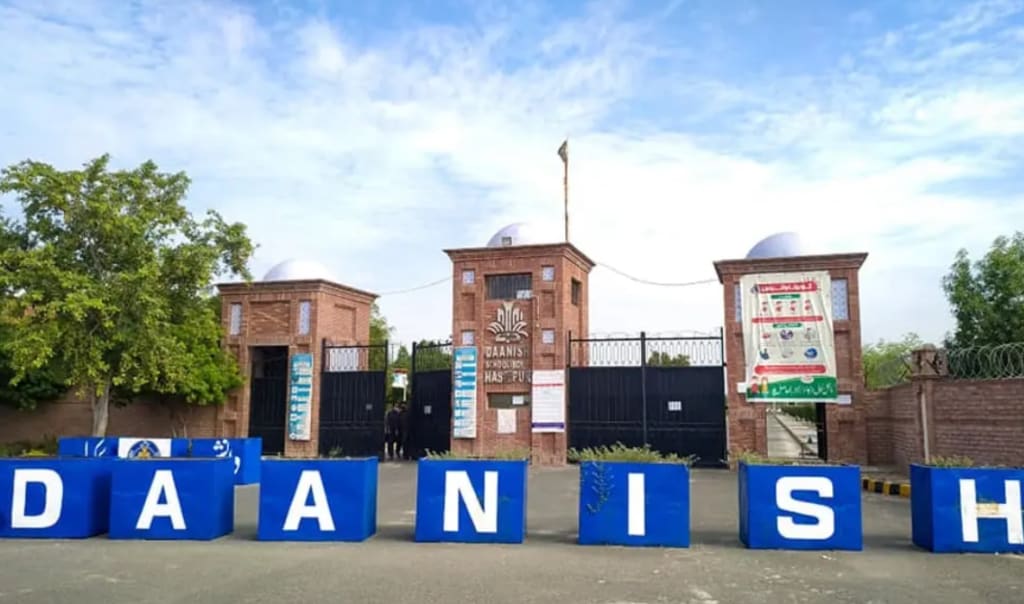
The federal government has announced plans to launch a new economic zone and establish two Daanish schools in Sindh, signaling a renewed focus on regional development and social investment. These initiatives are being viewed as an important step toward improving economic activity, creating employment opportunities, and expanding access to quality education in the province.
At a time when Pakistan faces economic pressure, rising unemployment, and gaps in educational access, such projects carry significant importance. Supporters argue that targeted investments like economic zones and merit-based schools can help reduce inequality and promote long-term stability.
Understanding the Proposed Economic Zone
Economic zones are designated areas created to attract investment, encourage industrial growth, and generate jobs. The planned economic zone in Sindh is expected to provide incentives such as tax relief, improved infrastructure, and streamlined regulations to businesses operating within it.
Sindh, with its strategic location and access to ports, already plays a vital role in Pakistan’s economy. A new economic zone could further strengthen this position by attracting both local and foreign investors, particularly in manufacturing, logistics, and export-oriented industries.
If implemented effectively, the zone could:
Create thousands of direct and indirect jobs
Support small and medium enterprises
Increase exports and industrial output
Reduce regional economic disparities
Economic experts believe that such zones can act as growth engines, especially when paired with reliable energy supply, transport links, and transparent governance.
Why Sindh Needs Economic Expansion
Sindh is home to major urban centers as well as vast rural areas. While cities like Karachi contribute heavily to national revenue, many parts of the province still struggle with underdevelopment, limited employment options, and poverty.
The new economic zone could help decentralize economic activity by encouraging industries to expand beyond major cities. This may reduce migration pressure on urban centers and bring development closer to rural communities.
However, analysts emphasize that success will depend on careful planning, coordination with provincial authorities, and sustained policy support.
Daanish Schools: Expanding Access to Quality Education
Alongside economic development, the Centre’s plan to establish two Daanish schools in Sindh reflects a strong focus on education as a tool for social uplift.
Daanish schools are residential institutions designed to provide free, high-quality education to talented students from underprivileged backgrounds. Originally launched in Punjab, these schools aim to bridge the gap between elite private education and struggling public schools.
By expanding this model to Sindh, the government hopes to offer bright students from low-income families a chance to compete on merit, regardless of their social or economic status.
How Daanish Schools Can Make a Difference
Education experts often point out that poverty and lack of opportunity are closely linked to limited access to quality education. Daanish schools attempt to break this cycle by focusing on:
Merit-based admissions
Modern curriculum
Qualified teachers
Residential facilities for students from remote areas
For families who cannot afford private schooling, such institutions offer a rare opportunity for upward mobility. Graduates of Daanish schools are expected to pursue higher education and eventually contribute to national development.
In Sindh, where educational challenges include low enrollment rates and uneven quality, the introduction of these schools could have a meaningful impact.
Linking Education and Economic Growth
The announcement of both an economic zone and Daanish schools highlights an important policy connection: economic growth and education go hand in hand.
An economic zone creates jobs and investment, but its long-term success depends on a skilled and educated workforce. At the same time, quality education prepares young people to take advantage of emerging economic opportunities.
By investing in both areas simultaneously, the Centre appears to be aiming for a more balanced development approach—one that addresses immediate economic needs while also building human capital for the future.
Challenges and Public Expectations
Despite optimism, these initiatives face challenges. Past development projects in Pakistan have sometimes suffered from delays, funding issues, and coordination problems between federal and provincial governments.
Public trust will depend on:
Transparent project timelines
Fair land acquisition processes
Equal access to education
Long-term funding commitments
There is also a strong expectation that local communities should be consulted and included, especially when land and resources are involved.
Political and Social Significance
The decision to invest in Sindh carries political and social significance as well. Federal projects in the province are often closely watched, with debates around autonomy, resource sharing, and representation.
Supporters see the move as a positive sign of federal commitment to inclusive development. Critics, however, argue that announcements must translate into real progress on the ground to make a lasting difference.
Looking Ahead
If executed effectively, the economic zone and Daanish schools could become important milestones in Sindh’s development journey. Together, they represent an approach that combines infrastructure, industry, and education—key pillars of sustainable growth.
The coming months will be crucial in determining whether these plans move swiftly from announcements to implementation.
Final Thoughts
The Centre’s plan to launch an economic zone and two Daanish schools in Sindh reflects an effort to address both economic and social challenges through targeted investment. While the initiatives hold promise, their success will depend on transparency, coordination, and long-term commitment.
For many in Sindh, these projects symbolize hope—for jobs, education, and a more equitable future. Whether that hope turns into reality will be measured not by announcements, but by outcomes.
About the Creator
Muhammad Hassan
Muhammad Hassan | Content writer with 2 years of experience crafting engaging articles on world news, current affairs, and trending topics. I simplify complex stories to keep readers informed and connected.
Keep reading
More stories from Muhammad Hassan and writers in Education and other communities.
Punjab Orders Action Against Private Schools Pressurizing Parents to Buy From Selected Shops
In a bold move to protect parents and uphold fair practices in education, the Punjab government has ordered strict action against private schools that allegedly pressure parents to purchase supplies, uniforms, or books from selected vendors. The directive comes after multiple complaints surfaced regarding unfair practices that forced families to spend extra money or adhere to specific buying instructions, often leaving them with little choice.
By Muhammad Hassan2 days ago in Education
Purpose Driven Event Lighting Design That Unites Style, Comfort, and Safety
Event lighting design plays a decisive role in how people experience an event. It shapes the mood, guides movement, and supports safety at every step. When lighting is planned with purpose, it does more than look attractive. It creates a space where guests feel relaxed, confident, and protected.
By Brian Casella6 days ago in Education




Comments
There are no comments for this story
Be the first to respond and start the conversation.