
Purpose Driven Event Lighting Design That Unites Style, Comfort, and Safety
A practical look at combining creative lighting choices with safety focused planning
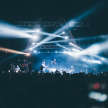

Event lighting design plays a decisive role in how people experience an event. It shapes the mood, guides movement, and supports safety at every step. When lighting is planned with purpose, it does more than look attractive. It creates a space where guests feel relaxed, confident, and protected.
Designing lighting with intent means thinking beyond appearance. Each light should support both beauty and function. When these two goals work together, events become smoother, safer, and more memorable.
The Role of Purpose in Event Lighting
Purpose is the reason behind every lighting choice. It answers simple questions. Why is this area bright? Why is that corner softer? Why does this path stand out?
Event lighting design should always begin with clear goals. These goals include guest comfort, visibility, and safety. Once those needs are met, creative elements can enhance the space without causing risk.
Lighting without purpose often leads to dark walkways, harsh glare, or visual confusion. Purpose driven lighting avoids these problems by placing people first.
How Lighting Affects Guest Behavior
Lighting has a strong effect on how people move and behave. Bright, open lighting encourages flow and confidence. Poor lighting can slow people down or cause hesitation.
Guests often follow light without realizing it. Clear lighting draws them toward entrances, exits, stages, and key areas. This natural guidance reduces crowd pressure and confusion.
Event lighting design that supports behavior helps prevent accidents. When guests can see clearly, they walk with ease and respond faster to instructions.
Building Safety Into the Visual Plan
Safety should never feel separate from design. The best lighting plans blend safety features into the overall look of the event.
Walkways, stairs, ramps, and level changes must always be visible. Emergency exits should remain clear even during dramatic lighting changes. Service areas should have steady light for staff use.
Event lighting design works best when safety lighting feels natural. Soft white tones and gentle contrasts can keep areas visible without breaking the event style.
Color Choices and Their Impact
Color is one of the most powerful tools in lighting design. It sets emotion and energy. But color must be used carefully.
Some colors reduce visibility. Deep blues and reds can hide depth and distance. These colors should stay on walls, ceilings, or decor. Neutral tones work best for walking areas.
Event lighting design should balance color with clarity. Guests should enjoy the atmosphere while still seeing faces, steps, and signs clearly.
Avoiding Common Lighting Risks
Many lighting issues come from small oversights. Loose cables, unstable fixtures, and poor angles can all create danger.
Glare is another common risk. Lights aimed too high or too low can shine directly into eyes. This can cause discomfort and brief vision loss.
Shadows also matter. Strong shadows can hide obstacles or edges. Event lighting design should aim for even coverage that reduces harsh contrast.
Planning for Different Event Types
Each event has unique lighting needs. A conference requires clear stage and seating light. A wedding needs warmth and softness. A concert needs energy and movement.
Outdoor events add extra challenges. Weather, uneven ground, and limited power access must be planned for in advance.
Event lighting design must match the event type while keeping safety consistent. No matter the style, visibility and stability come first.
Supporting Staff and Event Teams
Lighting supports more than guests. Staff rely on clear lighting to manage the event. Security teams need to see crowd behavior. Medical teams need fast access and clear work areas.
Control stations should always have steady task lighting. Emergency routes should stay lit even if main lighting changes.
Event lighting design should include backup power and emergency modes. These systems ensure safety during unexpected issues.
Testing and Adjusting Before the Event
Even the best plan needs testing. Lighting should be reviewed during setup and again during rehearsal or walkthrough.
Designers should walk the space as a guest would. They should check for dark spots, glare, and confusing transitions. Adjustments should be made before doors open.
Event lighting design improves through testing. Small changes can greatly increase comfort and safety.
Creating a Seamless Guest Experience
Guests should never think about lighting problems. When lighting works well, it fades into the background while shaping the experience.
Clear paths, visible signs, and balanced brightness create ease. Guests feel guided without being directed. They feel safe without being reminded of risks.
Event lighting design succeeds when it supports the event story while protecting everyone involved.
Long Term Benefits of Thoughtful Lighting
Purpose driven lighting benefits organizers as much as guests. Fewer accidents mean lower risk and better reviews. Smooth flow means happier attendees and staff.
Over time, this approach builds trust. Clients and venues remember events that felt comfortable and well planned.
Event lighting design is not just about style. It is about care, planning, and responsibility. When aesthetics and safety work together, lighting becomes a powerful tool that elevates every event.
Designing with purpose turns light into guidance, comfort, and confidence. That is what makes an event truly shine.
About the Creator
Brian Casella
Brian Casella is an event lighting designer and property owner who blends creativity with business across the Northeast through design and real estate work.
Portfolio: https://briancasella.com/
Keep reading
More stories from Brian Casella and writers in Education and other communities.
Lighting Mastery: A Comprehensive Guide for Event Planners and Producers
Lighting is an essential element in creating the perfect atmosphere for any event. While it often takes a backseat to other aspects like décor, catering, or entertainment, the impact of lighting cannot be overstated. Lighting helps shape the event experience, guides attendees' emotions, and ensures key moments are highlighted. Whether you're planning a corporate conference, a wedding, or a concert, mastering lighting is crucial to ensuring the event's success.
By Brian Casella12 days ago in Education
The $73,000 Text Message That Changed Everything
"Just realized I missed the quarterly payment deadline by one day. How bad is this?" I stared at the message, knowing I was about to deliver devastating news. My client—a successful entrepreneur who built his tech consulting firm from zero to $3.2 million in annual revenue—had just cost himself $73,000.
By Nth Degree Tax7 days ago in Education
How Audit Management Solutions Streamline ESG Compliance
Corporate credibility is increasingly defined by Environmental, Social, and Governance (ESG) compliance. Stakeholders, including shareholders, regulatory authorities, consumers, and employees, are placing greater demands on organizations to operate transparently, ethically, and sustainably.
By Matthew Luke6 days ago in Education




Comments