
🫀“Cardiac Arrest: The Sudden Silence of the Heart”
How to recognize, prevent, and respond to this life-threatening emergency

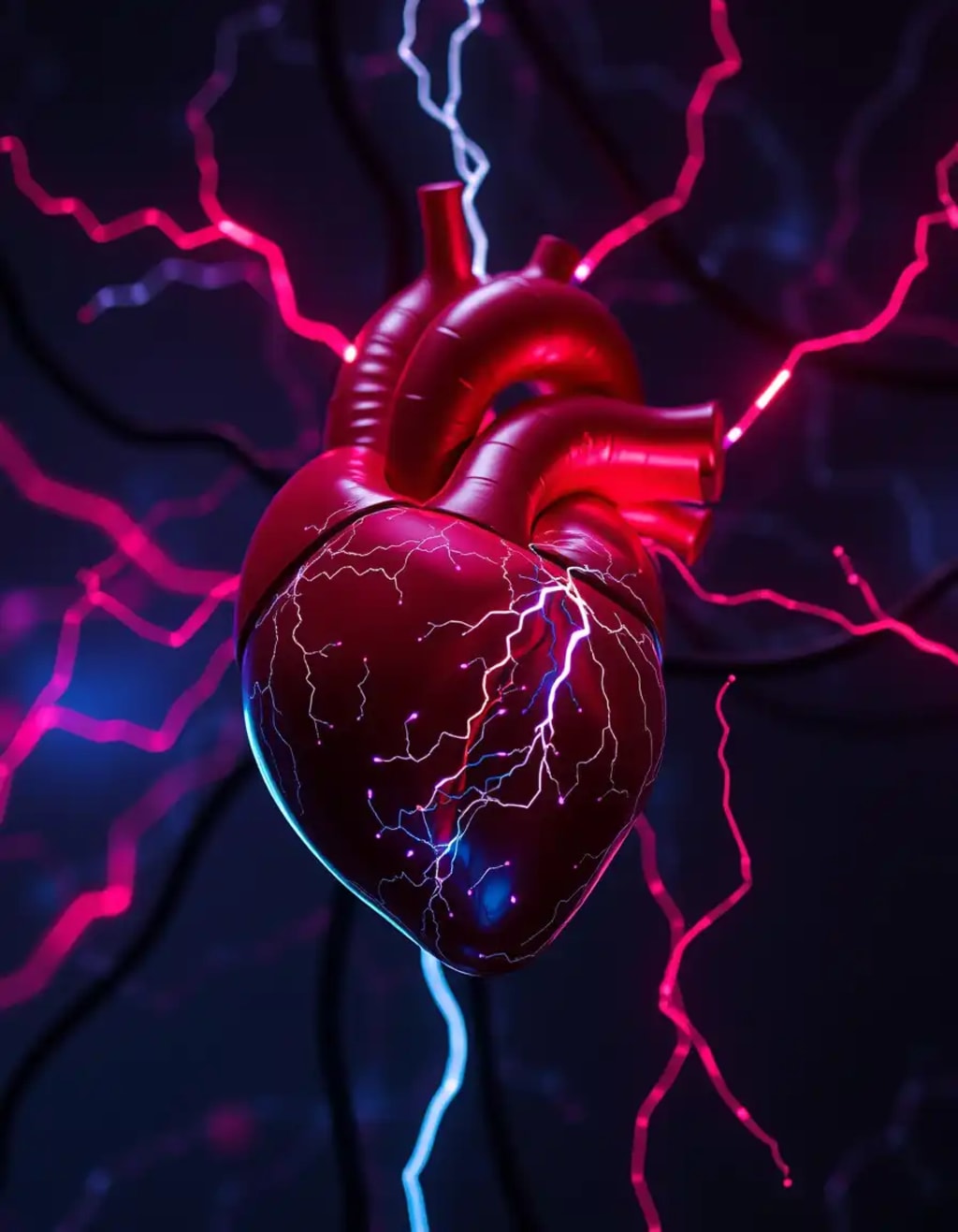
⚠️ What Is Cardiac Arrest?
Cardiac arrest is a sudden and unexpected loss of heart function. The heart stops beating effectively, blood flow stops, and within seconds, the person becomes unconscious. Without immediate treatment, it can lead to death within minutes.
- It’s different from a heart attack.
- A heart attack is a blood flow problem.
- Cardiac arrest is an electrical failure in the heart.
🚨 How It Happens
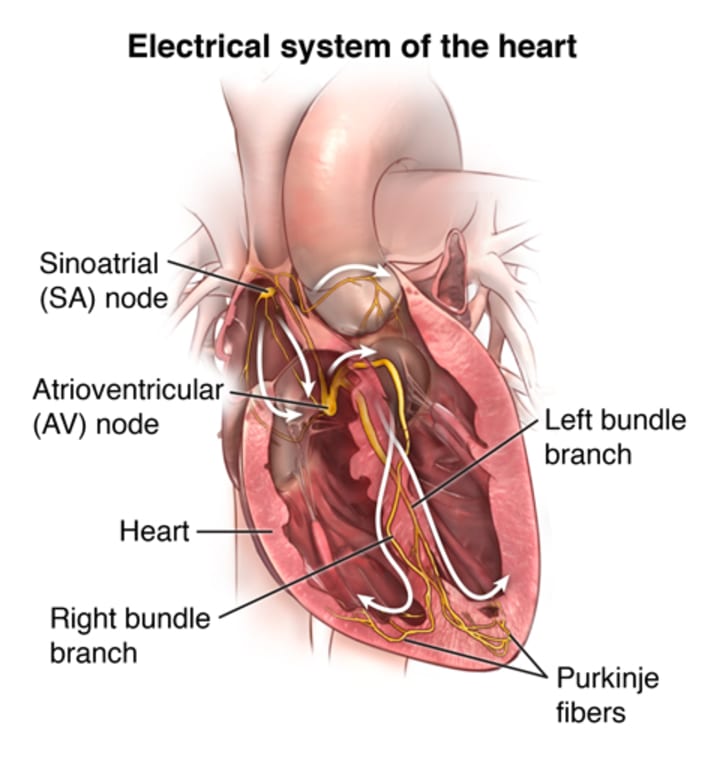
The heart works through an electrical system that controls its rhythm. In cardiac arrest, this system goes into chaos — most often due to a condition called ventricular fibrillation, where the heart quivers instead of pumping. No blood gets to the brain, lungs, or body. That’s why the person collapses suddenly and may stop breathing.
🧠 What Are the Symptoms?
Cardiac arrest usually happens suddenly and without warning, but some people may have signs just minutes or hours before:
- Sudden collapse
- No pulse
- No breathing
- Loss of consciousness
- In some cases: chest pain, weakness, dizziness, palpitations, or shortness of breath before it strikes
👥 Who’s at Risk?
Cardiac arrest can affect anyone — even young people. But risks are higher in people with:
- Heart disease or previous heart attack
- High blood pressure or high cholesterol
- Diabetes
- Smoking or alcohol abuse
- Obesity or sedentary lifestyle
- A family history of sudden cardiac death
- Drug overdose or electrolyte imbalance
- Certain heart rhythm disorders (like Long QT Syndrome)
Many athletes who suddenly collapse on the field experience cardiac arrest due to undiagnosed heart rhythm problems.
🧯 What to Do: Immediate Action Saves Lives
Every second matters. If someone collapses and stops breathing:
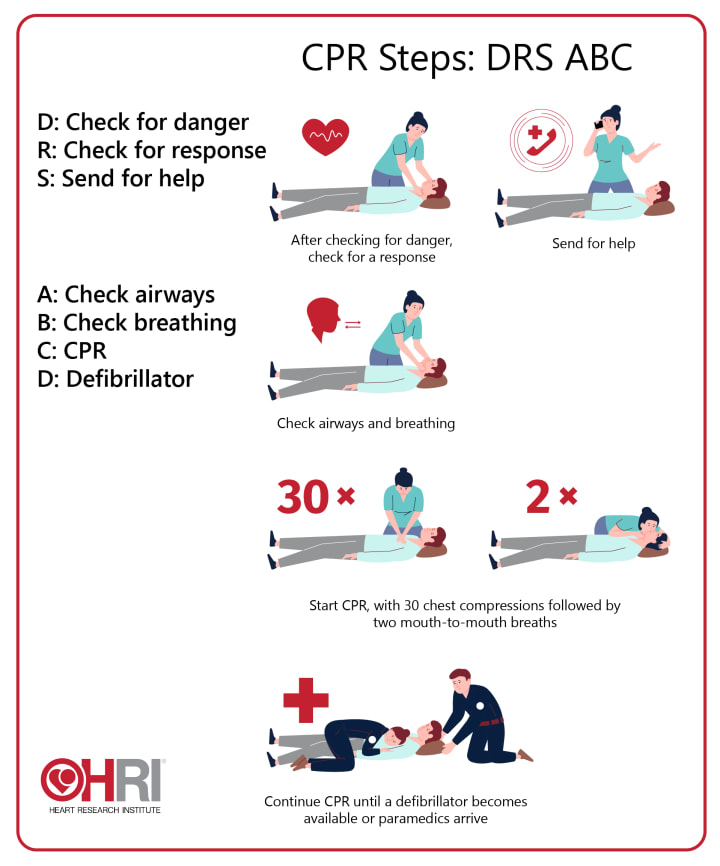
✅ 1. Call Emergency Services Immediately
Don’t waste time. Call your local ambulance number
✅ 2. Check for Breathing and Pulse
If no pulse and not breathing → Start CPR.
✅ 3. Start Chest Compressions
- Push hard and fast in the center of the chest (100–120 times per minute).
- Allow full recoil between compressions.
- If trained, give rescue breaths after 30 compressions (30:2 ratio).
✅ 4. Use an AED if Available
- AED = Automated External Defibrillator
- It gives an electric shock to restart the heart’s rhythm
- Many malls, airports, and schools now have them installed
Survival rate doubles or triples when CPR and defibrillation are given within the first 3–5 minutes.
🧪 Can Cardiac Arrest Be Prevented?
While not always, you can greatly reduce the risk with good heart care:
❤️ Lifestyle Tips:
- Eat a heart-healthy diet (low salt, sugar, and processed food)
- Exercise 4–5 times per week (even 30-minute walks help)
- Quit smoking
- Limit alcohol
- Maintain a healthy weight
- Manage stress (deep breathing, prayer, yoga, walking)
🩺 Medical Tips:
- Control blood pressure, sugar, and cholesterol
- Get regular heart checkups — especially after age 40
- Take prescribed medications properly
- Ask your doctor if you need an ECG, Holter monitor, or stress test
- If you have a known rhythm disorder, discuss devices like a pacemaker or ICD (implantable defibrillator)
🧬 A Personal Message
Cardiac arrest feels like a sudden storm — but sometimes, the signs are already present in silence. That tired heart, those skipped checkups, the chest heaviness you ignored… they’re not nothing. You don’t have to live in fear — just live with awareness. Know the signs. Know CPR. Know your own heart.
A life may depend on it — maybe even yours.
💬 Thank You for Reading
If this article gave you even a small moment of clarity or comfort, I’d truly appreciate hearing your thoughts in the comments below. Your feedback means a lot. Please feel free to follow or subscribe for more gentle, research-based health tips — written simply and sincerely, just for you. ❤️
About the Creator
DR. Allama iqbal
Pharmacist with 6 years of experience, passionate about writing. I share real-life stories, health tips, and thoughtful articles that aim to inspire, inform, and connect with readers from all walks of life.
Keep reading
More stories from DR. Allama iqbal and writers in Education and other communities.
Expert Banking Digital Signage Energizes Customers
I'll never forget walking into my local branch last Tuesday morning, dreading the usual 20-minute wait just to deposit a check. Instead, I was greeted by a vibrant digital display showing my wait time (3 minutes!), current mortgage rates, and a helpful video about mobile banking features I didn't even know existed. That visit took seven minutes total, and I left with a new savings account. That's the power of banking digital signage done right.
By Jerry Kane a day ago in Education



Comments
There are no comments for this story
Be the first to respond and start the conversation.