
🧠 "Brain Tumors: What You Need to Know"
A clear and compassionate explanation of brain tumors for awareness, early detection, and better care.

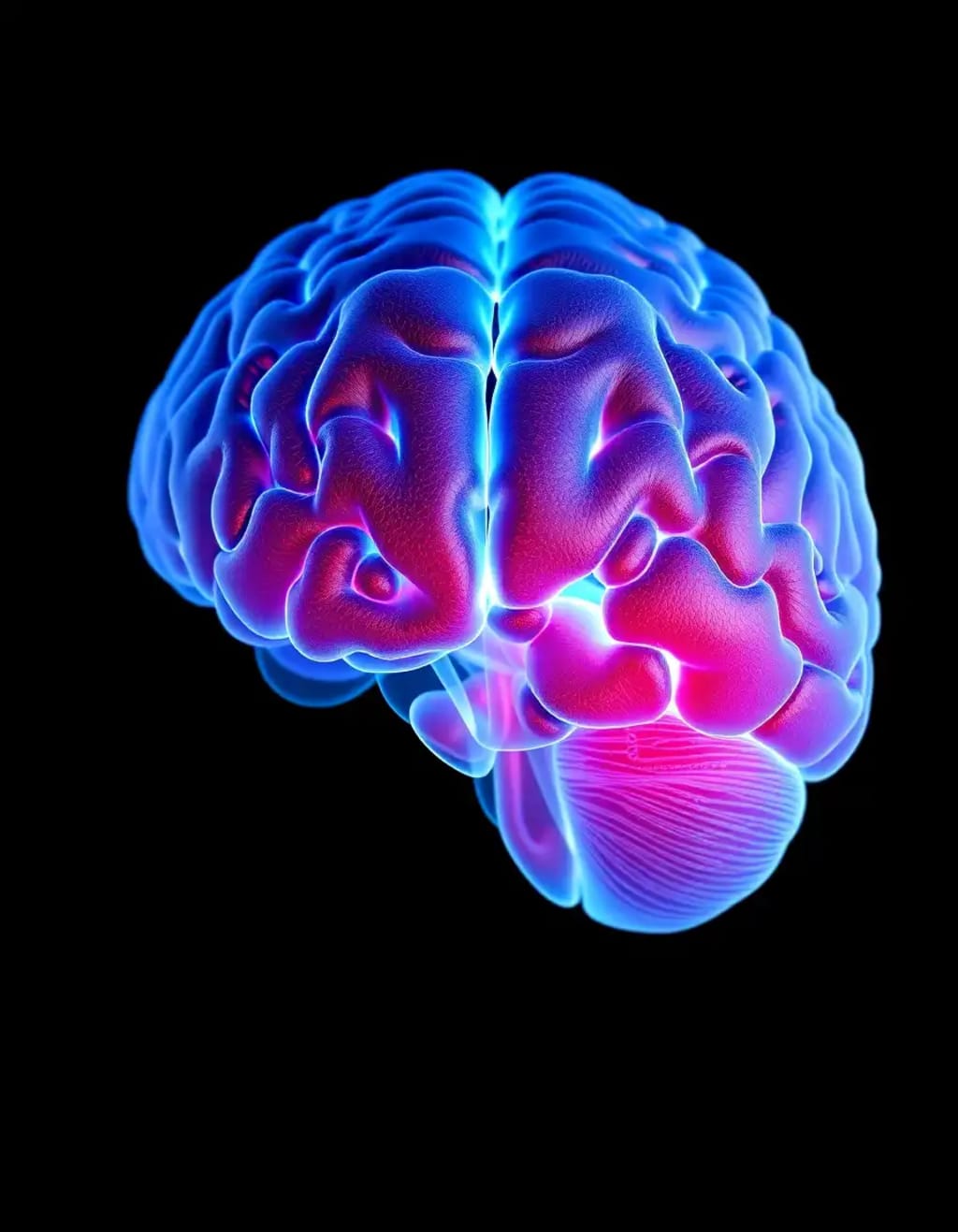
🔎 What Is a Brain Tumor?
A brain tumor is an abnormal growth of cells within or around the brain. Some tumors are benign (non-cancerous), while others are malignant (cancerous). Tumors can arise from brain tissue itself or from nearby structures such as nerves, membranes, or glands. Regardless of their type, any tumor can cause pressure and interfere with normal brain function.
Brain tumors can be serious, but not all are fatal. Many can be managed with early diagnosis and appropriate treatment.
Types of Brain Tumors
🔹 Primary Brain Tumors
These begin in the brain and may be benign or malignant.
- Gliomas: The most common type; they originate from glial cells that support brain function. Includes astrocytomas, oligodendrogliomas, and glioblastomas.
- Meningiomas: Arise from the meninges, the protective layers of the brain. Often benign but can grow large.
- Pituitary Adenomas: Originate in the pituitary gland; often benign and affect hormone levels.
- Medulloblastomas: Common in children; grow in the lower back part of the brain.
- 🔹 Secondary (Metastatic) Brain Tumors
These spread to the brain from cancers in other parts of the body, like lungs, breast, or skin (melanoma). Secondary tumors are more common in adults than primary brain tumors.
⚠️ Common Symptoms of Brain Tumors
Symptoms vary depending on tumor type, size, and location. Common signs include:
- Persistent or worsening headaches, especially in the morning
- Seizures, even in individuals without a history of epilepsy
- Memory problems or confusion
- Visual disturbances, such as blurred or double vision
- Nausea or vomiting, unrelated to other causes
- Weakness or numbness on one side of the body
- Balance problems or difficulty walking
- Changes in personality or mood
- Speech difficulties
These symptoms can also appear in other conditions. If persistent, consult a doctor.
🧪 Causes and Risk Factors
- While the exact cause is often unknown, certain factors may increase the risk: Genetic disorders: Conditions like Li-Fraumeni syndrome, neurofibromatosis
- Radiation exposure: From prior treatments or environmental sources
- Immune system disorders
- Family history of brain tumors
- Age: Some types are more common in children; others in older adults
- Exposure to certain chemicals or viruses (under research)
As of now, there is no strong scientific evidence linking mobile phones to brain tumors.
💪 How Brain Tumors Affect the Body
The brain controls every part of your body. A tumor can affect:
- Motor skills and movement
- Sensation and pain processing
- Hormone balance (especially pituitary tumors)
- Speech, memory, and emotions
- Breathing and heart rate (in severe cases)
Even benign tumors can be dangerous depending on their size and location.
🔮 Diagnosis of Brain Tumors
Early diagnosis can improve outcomes. Common diagnostic tools include:
- Neurological examination: Tests reflexes, coordination, vision, and memory
- MRI (Magnetic Resonance Imaging): Most accurate method
- CT Scan: Useful in emergencies
- Biopsy: A sample of the tumor is examined under a microscope
- Blood tests: To assess overall health and rule out other causes
- Lumbar puncture (spinal tap): Sometimes used to detect cancer cells in the cerebrospinal fluid
Diagnosis must be followed by tumor grading (1-4) to determine how aggressive the tumor is.
📈 Treatment Options
Treatment depends on tumor type, location, patient age, and health status. Common options include:
🏥 1. Surgery
- Goal: Remove as much of the tumor as safely possible
- Minimally invasive techniques are available
- Recovery depends on tumor size, location, and complications
- ⚖️ 2. Radiation Therapy
- Uses high-energy beams to kill tumor cells
- Often used when surgery isn't possible or after surgery to prevent regrowth
🚀 3. Chemotherapy
- Drugs that destroy cancer cells or stop them from growing
- Given orally or through IV
- Side effects include fatigue, nausea, and hair loss
💡 4. Targeted Therapy
- Newer medications that target specific genes or proteins in tumor cells
- Fewer side effects than chemotherapy in many cases
🪁 5. Immunotherapy
- Boosts the body's immune system to fight cancer
- Still in experimental stages for most brain tumors
- Often, treatments are combined for best results (e.g., surgery + radiation).
🏠 Life After Diagnosis: Living with a Brain Tumor
Even after treatment, patients may experience ongoing challenges:
- Fatigue and sleep issues
- Cognitive difficulties (memory, attention)
- Depression or anxiety
- Seizure management
- Hormone imbalances (if pituitary is affected)
💼 Support Options:
- Physical, occupational, and speech therapy
- Psychological counseling
- Support groups (in person or online)
- Palliative care for symptom relief and quality of life
Emotional support is just as important as physical healing.
🌱 Prevention and Awareness
There is no guaranteed way to prevent brain tumors, but these tips can help reduce risk:
- Avoid unnecessary exposure to radiation
- Maintain a healthy immune system
- Eat a balanced diet rich in antioxidants
- Regular health checkups
- Monitor any neurological symptoms
Public awareness can help detect tumors earlier and improve outcomes.
💬 Final Thoughts
A brain tumor diagnosis can be life-changing, but it is not always a death sentence. With modern treatment options, many patients live long and meaningful lives. Awareness, early detection, and support make a big difference.
Don’t ignore the signs your brain may be giving you. Trust your instincts. Ask questions. Get checked. You are never alone on this journey. Support, hope, and healing are always possible.
🙏 Thank You for Reading
If this article helped you understand brain tumors better, kindly consider leaving a comment below.
Your thoughts matter. Please feel free to follow or subscribe for more educational, simple, and kind health articles. Stay safe, stay aware, and take care of your beautiful brain. ❤️
About the Creator
DR. Allama iqbal
Pharmacist with 6 years of experience, passionate about writing. I share real-life stories, health tips, and thoughtful articles that aim to inspire, inform, and connect with readers from all walks of life.
Keep reading
More stories from DR. Allama iqbal and writers in Education and other communities.
🫀“Cardiac Arrest: The Sudden Silence of the Heart”
⚠️ What Is Cardiac Arrest? Cardiac arrest is a sudden and unexpected loss of heart function. The heart stops beating effectively, blood flow stops, and within seconds, the person becomes unconscious. Without immediate treatment, it can lead to death within minutes.
By DR. Allama iqbal8 months ago in Education
The World’s Safest Countries: Where Doors Stay Unlocked and Police Rarely Carry Guns
In many parts of the world, locking doors, installing security cameras, and relying on heavily armed police forces are everyday realities. However, there are a few countries where life feels very different. In these places, crime rates are extremely low, communities are tightly connected, and trust among citizens is remarkably high. As a result, people often leave their doors unlocked, and in some cases, police officers patrol the streets without carrying firearms.
By Irshad Abbasi about 18 hours ago in Education
Unofficial Challenge: Black History Celebration
Forward: February 28th, 10:53 PM, EST... The final hour of Black History Month, 2026. Hello fellow writers. I've had this challenge waiting in my drafts for most of the month. But I held off on publishing it, until now.
By Sam Spinelli5 days ago in Writers


Comments
There are no comments for this story
Be the first to respond and start the conversation.