
Brain Tumor
Symptoms, Causes, Risk Factors & Treatment

Introduction:
Brain tumors are abnormal growths of cells in the brain or surrounding tissues. They can be either benign (noncancerous) or malignant (cancerous) and can occur at any age. Brain tumors can cause various symptoms and require prompt medical attention for proper diagnosis and treatment. In this comprehensive article, I will explore the symptoms, causes, risk factors, and treatment options associated with brain tumors.
1: Understanding Brain Tumors
1.1 Types of Brain Tumors:
There are various types of brain tumors, including:
- Gliomas: These tumors originate from the glial cells that support and nourish the neurons in the brain. Gliomas can be further classified as astrocytomas, oligodendrogliomas, or ependymomas.
- Meningiomas: Meningiomas develop in the meninges, which are the protective membranes covering the brain and spinal cord.
- Pituitary adenomas: These tumors arise from the pituitary gland, which plays a crucial role in hormone regulation.
- Medulloblastomas: Medulloblastomas are malignant tumors that primarily affect children and develop in the cerebellum.
- Metastatic tumors: These tumors originate from cancer cells that have spread to the brain from other parts of the body.
1.2 Common Symptoms of Brain Tumors:
The symptoms of a brain tumor may vary depending on its location, size, and rate of growth. Common symptoms include:
- Persistent headaches that worsen over time.
- Seizures or convulsions.
- Nausea and vomiting.
- Changes in vision, such as blurred vision or double vision.
- Balance and coordination problems.
- Cognitive and memory difficulties.
- Personality or behavior changes.
- Weakness or numbness in the limbs.
- Difficulty speaking or understanding speech.
- Hearing problems.
2: Causes and Risk Factors of Brain Tumors
2.1 Causes of Brain Tumors:
The exact cause of brain tumors is often unknown. However, certain factors may contribute to their development, including:
- Genetic mutations: Some individuals may inherit gene mutations that increase their risk of developing brain tumors.
- Exposure to radiation: Previous exposure to ionizing radiation, such as radiation therapy for the treatment of other cancers, can increase the risk of developing brain tumors.
- Family history: Having a family history of brain tumors or certain genetic conditions, such as neurofibromatosis or Li-Fraumeni syndrome, can increase the risk.
2.2 Risk Factors for Brain Tumors:
Several risk factors may increase the likelihood of developing a brain tumor, including:
- Age: Certain types of brain tumors are more common in specific age groups. For example, gliomas are more prevalent in adults, while medulloblastomas primarily affect children.
- Gender: Some types of brain tumors, such as meningiomas, are more common in females, while other types, like gliomas, are more common in males.
- Exposure to radiation: Previous exposure to radiation, either through radiation therapy or occupational exposure, can increase the risk of developing brain tumors.
- Family history: Having a family history of brain tumors or certain genetic conditions can predispose individuals to developing brain tumors.
3: Treatment Options for Brain Tumors
3.1 Diagnosis of Brain Tumors:
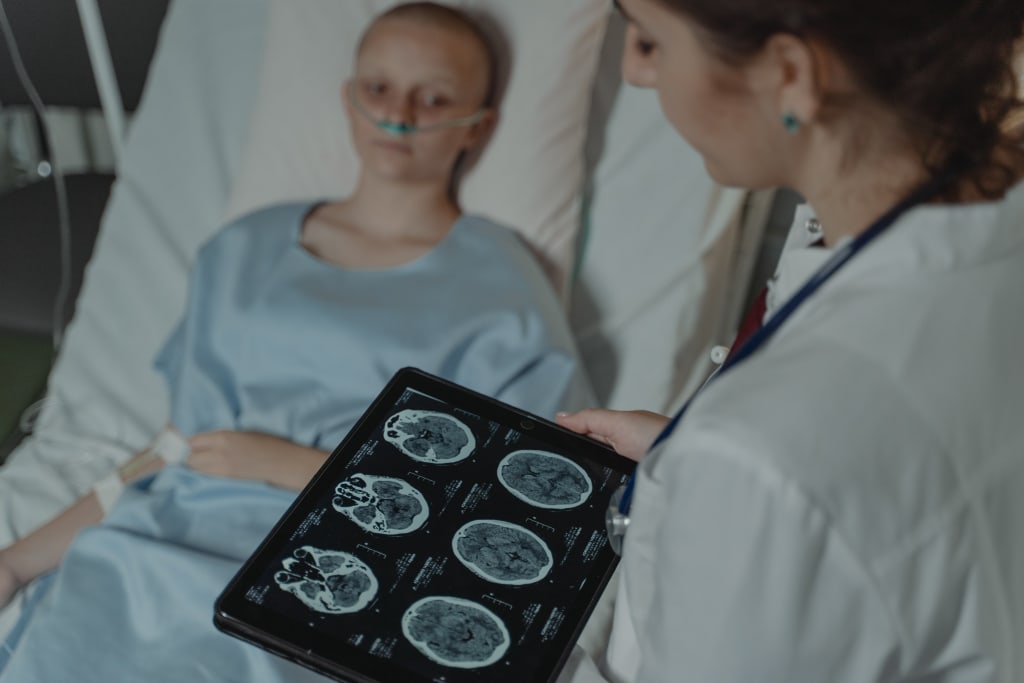
Diagnosing a brain tumor typically involves a combination of medical history review, neurological examination, imaging tests (such as MRI or CT scans), and a biopsy to analyze the tumor cells.
3.2 Treatment for Brain Tumors:
The treatment approach for brain tumors depends on several factors, including the type, size, location, and
grade of the tumor, as well as the individual's overall health. Treatment options may include:
- Surgery: The surgical removal of the tumor is often the first-line treatment when feasible. It aims to remove as much of the tumor as possible while preserving brain function.
- Radiation therapy: High-energy radiation is used to target and destroy cancer cells. It may be employed before or after surgery or as the primary treatment for inoperable tumors.
- Chemotherapy: Drugs are administered orally or intravenously to kill cancer cells or inhibit their growth. Chemotherapy may be used in combination with surgery and radiation therapy.
- Targeted therapy: This treatment approach uses drugs that specifically target certain genetic mutations or proteins involved in the growth of tumor cells.
- Immunotherapy: Immunotherapy aims to stimulate the body's immune system to recognize and attack cancer cells.
Conclusion:
Brain tumors are complex conditions that require careful evaluation, accurate diagnosis, and appropriate treatment. Recognizing the symptoms and risk factors associated with brain tumors is crucial for early detection and intervention. If you or someone you know experiences persistent or concerning symptoms, it is important to seek medical attention promptly. With advancements in medical technology and treatment options, many individuals with brain tumors can receive effective care and achieve better outcomes. Remember, early detection and comprehensive treatment are key in the management of brain tumors.
About the Creator
Keep reading
More stories from Samreen Saleem and writers in Education and other communities.
Comprehensive Guide to Throat Infection
Introduction: Throat infections, also known as pharyngitis, are common conditions that can cause discomfort and pain in the throat. They are usually caused by viral or bacterial infections and can occur in individuals of all ages. In this comprehensive guide, I will delve into the symptoms, treatment options, and preventive measures for throat infections. By understanding these aspects, you will be better equipped to manage throat infections and promote a healthy throat.
By Samreen Saleem3 years ago in Education
How False Claims About Bill Gates and COVID-19 Spread Online
The COVID-19 pandemic was one of the most disruptive global events in recent memory. With fear, uncertainty, and rapidly changing science driving public discourse, misinformation spread almost as quickly as the virus itself. Among the many unfounded claims that circulated, one of the most persistent involved Microsoft co-founder Bill Gates — wrongly accused of using the pandemic for personal gain, control, or even population manipulation. But why did such false narratives take hold, and how did Bill Gates become a focal point of COVID-related conspiracy theories?
By Irshad Abbasi 7 days ago in Education
The Future of Hospitality Distribution: Marketplaces as the Central Hub
The hospitality industry has always depended on distribution to connect properties with travelers. For decades, hotels relied on direct bookings, travel agents, and later online travel agencies to reach global audiences. However, the digital transformation of travel has reshaped this landscape. Today, marketplaces are evolving into central hubs that unify visibility, pricing, guest engagement, and transaction management. As technology advances and traveler expectations rise, marketplaces are set to play an even more dominant role in hospitality distribution.
By Jason Nissen6 days ago in Education




Comments
There are no comments for this story
Be the first to respond and start the conversation.