
Boosting Athletic Performance with Yoga
How Yoga Supports Flexibility, Balance, and Recovery for Athletes

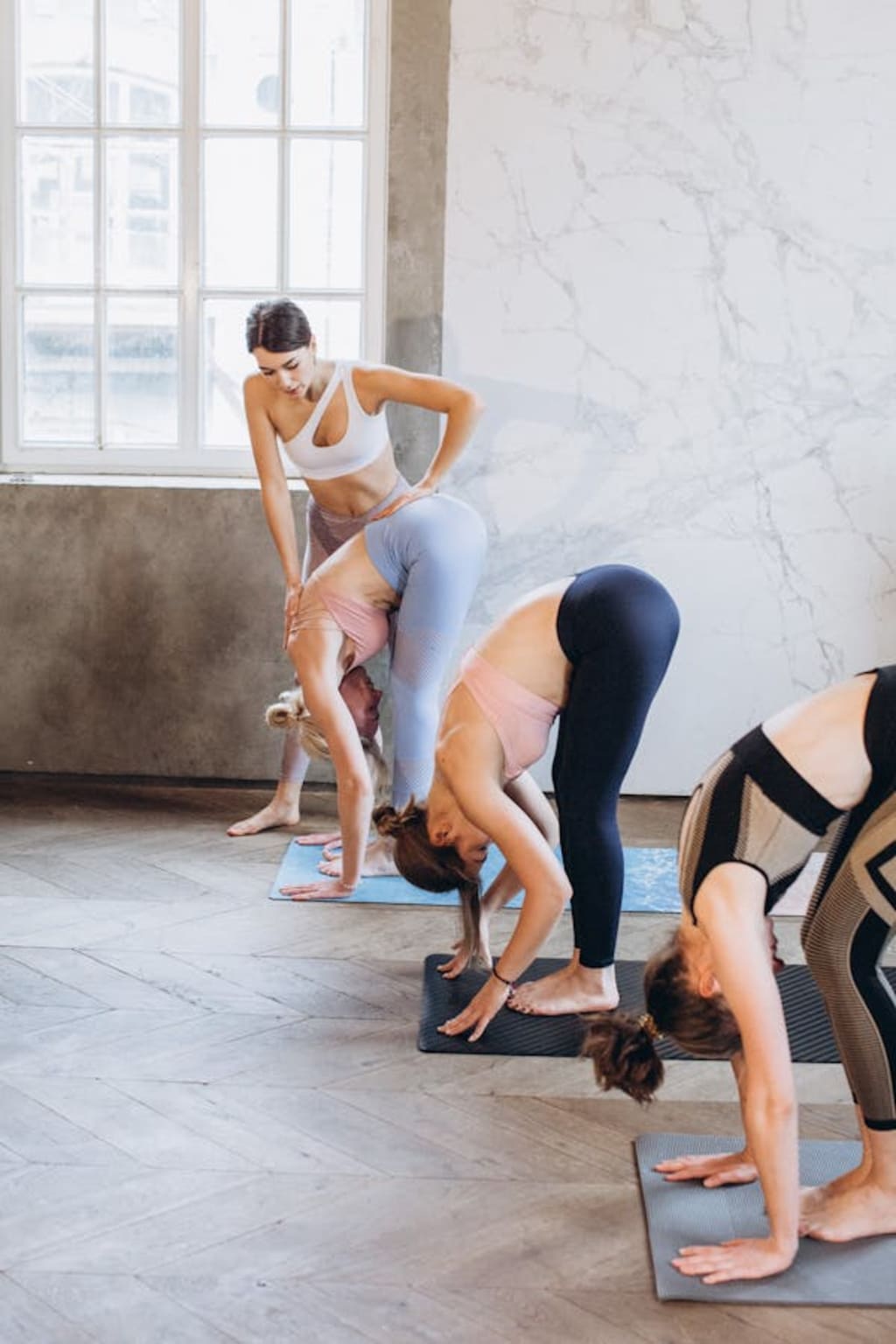
Athletic performance relies on a delicate balance of strength, flexibility, endurance, mental focus, and recovery. While traditional training regimens focus heavily on strength and endurance, yoga provides a unique approach to enhancing all aspects of athletic performance. By integrating yoga into their routine, athletes can develop greater flexibility, improve recovery time, prevent injuries, and sharpen their mental edge.
Once considered solely a spiritual practice, yoga is now recognized for its physical and mental benefits, making it an essential tool for athletes seeking a competitive edge. Here’s how yoga can help athletes elevate their performance and unlock their full potential.
Physical Benefits of Yoga for Athletes
1. Enhanced Flexibility
Flexibility is crucial for athletes across all sports, as it allows for a greater range of motion, improved technique, and reduced risk of injury. Yoga poses such as Downward-Facing Dog (Adho Mukha Svanasana), Pigeon Pose (Eka Pada Rajakapotasana), and Seated Forward Bend (Paschimottanasana) target tight muscles, promoting elongation and mobility.
By increasing flexibility, yoga can improve performance in activities requiring explosive movements, such as sprinting, jumping, or throwing.

2. Improved Strength
Yoga builds functional strength by engaging multiple muscle groups simultaneously, often through isometric holds and controlled movements. Poses like Plank Pose (Phalakasana), Warrior II (Virabhadrasana II), and Chair Pose (Utkatasana) strengthen the core, legs, and stabilizing muscles, enhancing power and stability.
For athletes, this functional strength translates into better balance, coordination, and efficiency during physical activity.
3. Injury Prevention
One of yoga’s most significant contributions to athletic performance is injury prevention. Many injuries stem from muscular imbalances, tightness, or overuse. Yoga addresses these issues by balancing strength and flexibility, improving joint stability, and increasing body awareness.
For instance, Tree Pose (Vrikshasana) enhances balance and strengthens the ankles, while Reclining Hand-to-Big-Toe Pose (Supta Padangusthasana) stretches the hamstrings, preventing strains and pulls.
4. Faster Recovery
Athletic training can lead to muscle soreness and fatigue. Yoga promotes recovery by increasing blood flow to tired muscles, flushing out lactic acid, and reducing inflammation. Restorative poses such as Child’s Pose (Balasana) and Legs-Up-the-Wall Pose (Viparita Karani) encourage relaxation and rejuvenation, allowing athletes to recover more quickly and perform at their best.
Mental Benefits of Yoga for Athletes
1. Enhanced Focus and Concentration
Success in sports often hinges on mental clarity and the ability to stay present. Yoga’s emphasis on mindfulness and breath control improves focus, helping athletes remain composed under pressure.
Pranayama (breathing techniques), such as Alternate Nostril Breathing (Nadi Shodhana), calms the mind and reduces anxiety, enabling athletes to perform with greater precision and confidence.
2. Stress Management
Athletes face significant physical and mental stress, whether it’s from intense training, competition, or the pressure to perform. Yoga helps manage stress by activating the parasympathetic nervous system, which promotes relaxation.
Practicing meditation or incorporating poses like Corpse Pose (Savasana) into a routine can help athletes decompress, reducing cortisol levels and improving overall well-being.
3. Resilience and Mental Toughness
Yoga teaches patience and persistence, qualities that are invaluable in sports. Holding challenging poses for extended periods builds mental resilience, which translates into greater endurance and determination during competition.
Sports-Specific Benefits of Yoga
1. For Runners
Yoga improves running performance by stretching and strengthening the muscles most used during running, such as the hamstrings, quadriceps, and calves. Poses like Low Lunge (Anjaneyasana) and Runner’s Stretch (Ardha Hanumanasana) target these areas, promoting efficient movement and reducing the risk of shin splints and knee pain.
2. For Swimmers
Swimmers benefit from yoga’s focus on shoulder mobility, core strength, and breath control. Poses such as Upward Dog (Urdhva Mukha Svanasana) improve spinal flexibility, while pranayama techniques enhance lung capacity for better breath management in the water.
3. For Team Sports Athletes
In team sports like basketball, soccer, or football, yoga improves agility, balance, and reaction time. Poses like Warrior III (Virabhadrasana III) and Eagle Pose (Garudasana) build stability and coordination, essential for quick directional changes and maintaining control during gameplay.
A Yoga Routine for Athletes
Here’s a simple yoga sequence designed to boost athletic performance:

Warm-Up: Begin with Cat-Cow Pose (Marjaryasana-Bitilasana) to mobilize the spine.
Dynamic Stretching: Flow through Sun Salutations (Surya Namaskar) to warm up the body and improve flexibility.
Strength-Building Poses:
- Plank Pose for core strength.
- Warrior II to engage the legs and improve stability.
Flexibility and Balance:
- Pigeon Pose to release tight hips.
- Tree Pose to enhance balance and focus.
Cool Down and Recovery:
- Child’s Pose for relaxation.
- Legs-Up-the-Wall Pose to promote recovery and reduce swelling.
Tips for Incorporating Yoga into an Athletic Routine
- Be Consistent: Practicing yoga 2–3 times a week can yield noticeable improvements in flexibility, strength, and focus.
- Listen to Your Body: Avoid pushing into pain; work within your limits and focus on gradual progression.
- Combine with Training: Use yoga as a complement to your existing training regimen, emphasizing areas that need attention.
- Seek Guidance: Consider attending yoga classes tailored to athletes for proper instruction and technique.
Conclusion
Yoga is a game-changer for athletes, offering a comprehensive approach to enhancing physical and mental performance. By improving flexibility, strength, and recovery while fostering mental clarity and resilience, yoga empowers athletes to reach their full potential.
Whether you’re a professional athlete or a recreational sports enthusiast, integrating yoga into your routine can help you train smarter, perform better, and recover faster. Roll out your mat and experience the transformative power of yoga in boosting athletic performance.
About the Creator
William
I'm William, a passionate writer🏋️♂️ Health & Fitness Advocate 🌱 | Sharing tips on workouts 💪, nutrition 🥗, and wellness 🌞 to help you live a balanced, active life. Let’s reach your fitness goals together! 🌟
Using 3D Laser Scanning for Accurate Facility Upgrade and Renovation Planning
Facility upgrades and renovation projects require precise knowledge of existing building conditions. Many older facilities lack reliable documentation, and outdated drawings can lead to design conflicts, costly change orders, and construction delays.
By Matt Sharonabout 16 hours ago in Education
Building Stronger Teams Through Diversity
Diversity in the workplace is more than a trend. It is a key part of building strong and creative teams. Companies today serve people from many cultures, backgrounds, and life experiences. Because of this, businesses need teams that reflect the world around them.
By Aaron Khieu4 days ago in Education




Comments
There are no comments for this story
Be the first to respond and start the conversation.