
Beyond Epstein
What the Files Reveal About Society

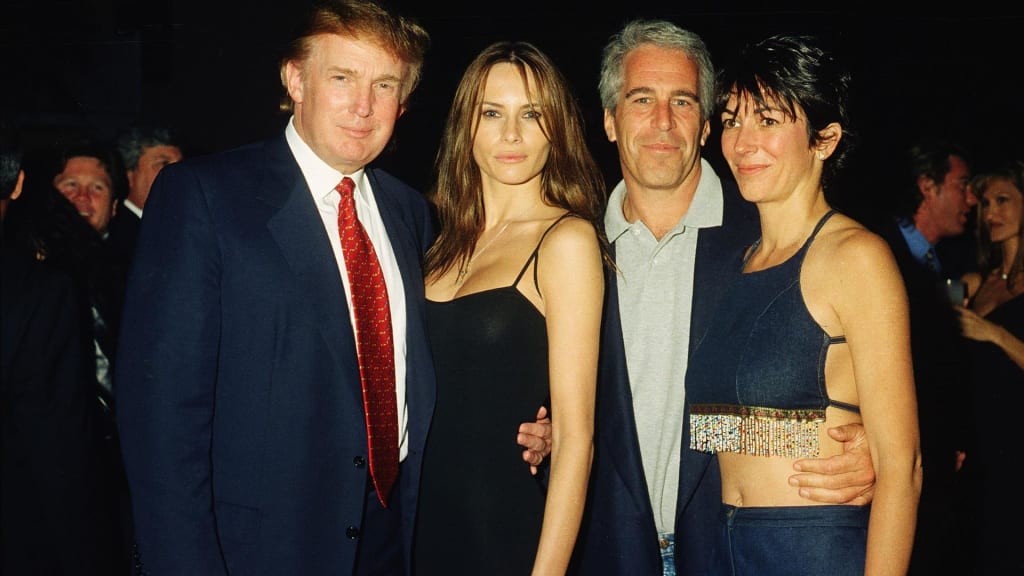
The night I stopped thinking about Epstein as a person and started thinking about him as a mirror, I couldn’t sleep.
Not because of fear.
Because something felt uncomfortably familiar.
I had been reading about the files again, the way many of us do—half out of curiosity, half out of disbelief. Names, timelines, accusations, denials. At some point, I realized my jaw had been clenched for hours. That’s when it hit me: this story wasn’t really about him anymore.
It was about us.
I used to think stories like this were rare. An exception. A glitch in the system. One bad actor who slipped through the cracks. But the more I sat with the details, the clearer it became that Epstein didn’t operate in isolation. He existed inside a culture that made space for him.
And that realization was harder to swallow than any headline.
I’m not someone who grew up distrusting institutions. I believed in rules, in consequences, in the idea that enough evidence eventually leads to accountability. Reading through the aftermath of the Epstein case cracked that belief in a quiet but lasting way. Not shattered. Just… weakened.
There’s a moment I keep coming back to.
A few years ago, at a workplace I trusted, someone raised a serious concern. Nothing criminal, but deeply wrong. The response was swift—and not in the way you’d hope. Meetings happened behind closed doors. Language softened. The issue was reframed until it barely resembled the original complaint. Eventually, everyone was encouraged to “move forward.”
We did.
But something was lost.
That memory kept resurfacing as I read about sealed documents and selective transparency. Because the same instincts were at play. Protect the structure. Minimize the disruption. Silence is easier than accountability.
One reflective moment came when I asked myself why I kept reading even when it made me uncomfortable. I wasn’t learning much that was new anymore. What I was learning was how deeply normalized this pattern is.
Power protects power.
The Epstein files reveal more about society than they do about one man. They show how wealth can blur moral lines. How status can buy patience, benefit of the doubt, and time. Lots of time. Enough time for stories to fade and people to forget.
Have you ever noticed how quickly the conversation shifts from victims to technicalities?
From harm to legality. From human pain to procedural debate. It’s subtle, but it matters. Because when we focus only on what can be proven in court, we forget what’s already been lived.
Another reflective moment hit me when I realized how often we demand perfection from those who speak up. Perfect memory. Perfect timing. Perfect behavior. Any inconsistency becomes a reason to doubt. Meanwhile, those in power are allowed complexity, privacy, and endless explanations.
Why is that?
Reading the files forced me to confront my own comfort with distance. It’s easy to discuss these things abstractly. To say “society failed” without asking how we personally participate in that failure. I had to sit with the fact that I’ve stayed quiet before. That I’ve chosen ease over disruption.
Not because I didn’t care.
But because caring can cost something.
There’s a vulnerability in admitting that.
The Epstein case also exposes our relationship with attention. We consume trauma in cycles. We lean in when the story breaks, then lean out when it becomes emotionally exhausting. And I get it. Carrying this kind of weight all the time isn’t sustainable. But neither is pretending it doesn’t exist.
What happens to the truth when we get tired of it?
That question lingered with me longer than I expected.
Beyond the headlines and documents, the files reveal a society that struggles with believing people who lack power. A society that treats access as innocence. A society that confuses success with virtue.
And once you see that pattern, you start seeing it everywhere.
In workplaces. In schools. In communities. In the way complaints are handled. In who gets second chances and who doesn’t get first ones.
I noticed a shift in myself after spending time with this story. I listen differently now. When someone hesitates before sharing something hard, I notice that pause. When a story feels messy or unresolved, I don’t rush to dismiss it. I’ve learned that truth is rarely neat.
Have you felt that shift too, even slightly?
This isn’t about living in constant outrage. It’s about awareness. About resisting the urge to simplify complex harm into digestible narratives. About remembering that systems are made of people—and people make choices.
The Epstein files don’t just ask, “Who knew?”
They ask, “Who looked away?”
And maybe the harder question: “Why?”
I don’t think society changes overnight because of one case. But I do think cases like this leave fingerprints on our collective conscience. They challenge us to examine what we tolerate, excuse, or normalize.
Writing this hasn’t given me closure. If anything, it’s left me with more questions than answers. But maybe that’s not a failure. Maybe it’s an invitation to stay curious, to stay uncomfortable, to stay human.
If you’ve been following this story, I’d really like to know what it’s stirred in you. Anger? Sadness? Numbness? Recognition?
Because beyond Epstein, beyond the files, beyond the names we argue over, there’s a deeper story unfolding. One about how we handle power, silence, and responsibility.
And whether we’re willing to learn from what the mirror is showing us—or turn away before it reflects too much.
About the Creator
John Smith
Man is mortal.
Reader insights
Outstanding
Excellent work. Looking forward to reading more!
Top insights
Compelling and original writing
Creative use of language & vocab
Easy to read and follow
Well-structured & engaging content
Excellent storytelling
Original narrative & well developed characters
Expert insights and opinions
Arguments were carefully researched and presented
Eye opening
Niche topic & fresh perspectives
Heartfelt and relatable
The story invoked strong personal emotions
Masterful proofreading
Zero grammar & spelling mistakes
On-point and relevant
Writing reflected the title & theme
Keep reading
More stories from John Smith and writers in Education and other communities.
Menu Boards for Cafés: Design Ideas and Benefits
I'll never forget the first time I walked into a local coffee shop that had just upgraded from their hand-written chalkboard to a sleek digital menu display. The difference was striking—not just visually, but in how quickly I could scan the menu, see vibrant images of specialty drinks, and notice the seasonal promotions rotating in the corner. That experience opened my eyes to how much menu presentation actually matters in café environments.
By Jerry Kane 4 days ago in Education
Writing About Writing: The Rainbow Trap
The good thing about living in modern times is that LGBTQ representation in media is increasing. Not just in niche and Independant media, either, but also in mainstream media. Books, movies, TV shows, comics... they're finally catching on that LGBTQ+ people form a significant part of their audience, and deserve to see themselves on screen and in fiction, not just as victims in documentaries and true crime shows.
By Natasja Rose2 days ago in Writers




Comments (1)
I broke down several times reading this, as I share blood with many who dismiss the felonies of the powerful and justify brutality by exploiting misdemeanors. This should be a broken system winner. I can tell hiw much work you put into it. It’s hard to write beautifully about ugliness, but you’ve shown here that it can be done.